
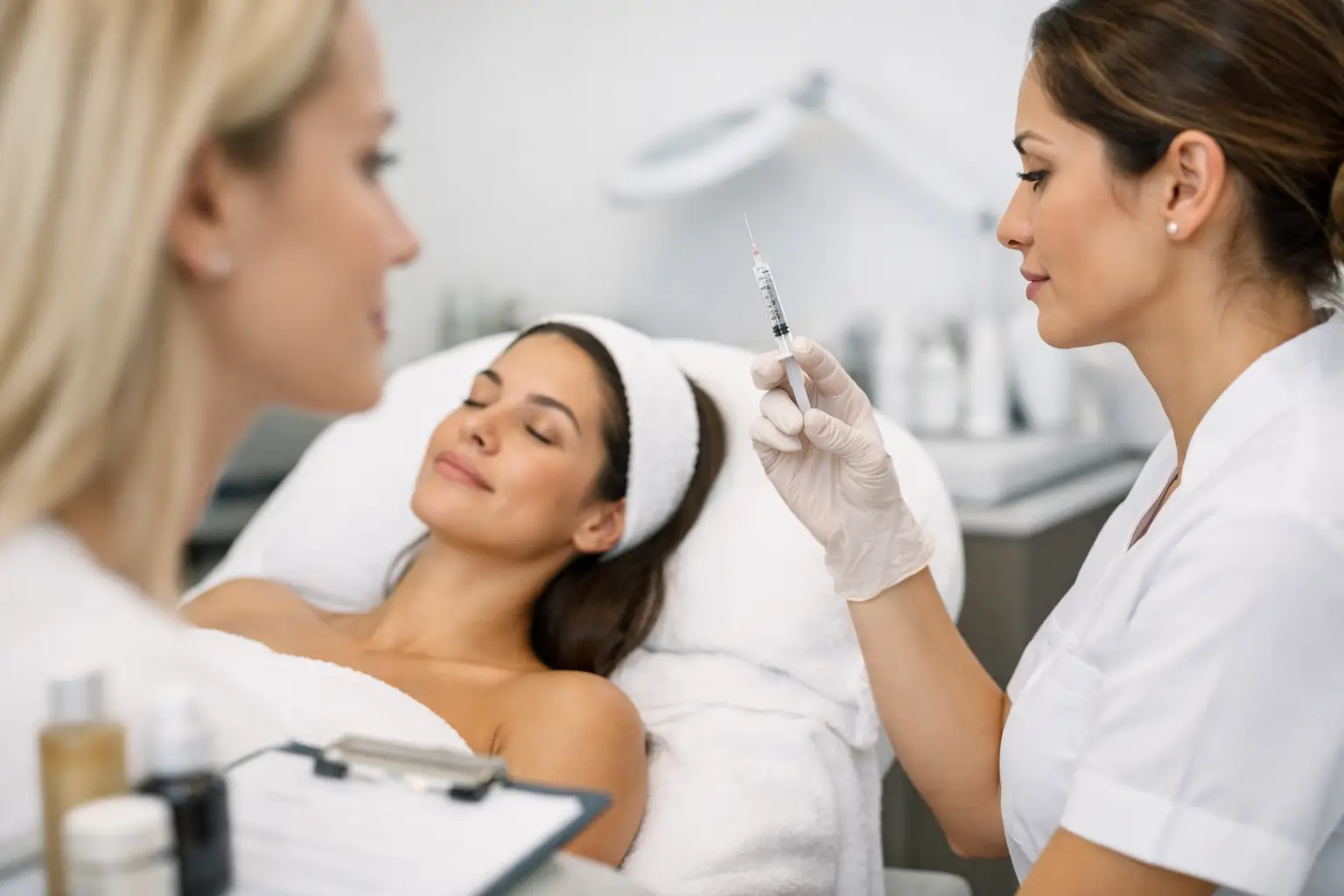
A skin booster appointment should feel considered, not rushed. If you are searching for who does skin boosters in Essex, the right answer is not simply the nearest available provider. It is a practitioner who assesses your skin properly, explains whether the treatment suits your goals, uses appropriate products and techniques, and gives you clear guidance before and after your appointment.
Skin boosters are popular because they can improve hydration, luminosity and skin quality without changing the natural shape of your face. However, they are still injectable treatments. Choosing carefully matters as much as the treatment itself.
Who does skin boosters in Essex?
Skin boosters may be offered by qualified medical and aesthetic practitioners working from clinics, treatment spaces or through professional mobile services. The title on its own is not enough to tell you how a person works, so look beyond a social media feed or a price list.
A suitable practitioner should be able to discuss your medical history, skin concerns, current skincare, previous aesthetic treatments and expectations. They should also be transparent about their training, the product being used, the areas they recommend treating and the possible risks. A good consultation is not an optional extra – it is the foundation of safe, natural-looking treatment.
For many clients, convenience is a genuine consideration. A professional mobile practitioner can provide skin booster treatments at home or another suitable private location, provided the environment is appropriate for treatment and the same hygiene, clinical protocols and aftercare standards are maintained. This can be particularly helpful for busy professionals, parents and anyone who values discretion without wanting to compromise on care.
What a skin booster is designed to do
Most skin boosters use hyaluronic acid, a substance that attracts and holds water within the skin. Unlike dermal filler, which is generally used to restore volume or enhance facial structure, a skin booster is placed more superficially to support hydration and improve the appearance of skin quality.
Depending on the product and treatment plan, clients may seek skin boosters for dullness, dehydration, fine crepiness, early lines or a tired-looking complexion. Common areas include the cheeks, lower face, neck, décolletage and hands. Some people notice a fresher appearance after one session, but a course of treatments is often advised for more consistent results.
It is worth being realistic about what skin boosters can and cannot do. They may help skin look smoother, better hydrated and more radiant, but they do not replace a facelift, significantly tighten loose skin or erase deep static lines. If volume loss, pronounced laxity or pigmentation is your main concern, another treatment – or a combination plan – may be more suitable.
How to choose a skin booster practitioner
The best choice is usually the practitioner who is willing to be honest, including when a skin booster is not the right next step. During your initial conversation, notice whether you are being listened to. Your concerns should guide the recommendation, rather than being fitted into a standard package.
Ask how the appointment will be planned and what the practitioner looks for during an assessment. They should consider factors such as skin condition, facial anatomy, active skin inflammation, allergies, medical conditions, medications and recent procedures. If you have recently had other injectables, dental work, a peel or microneedling, this may affect treatment timing.
You should also feel comfortable asking which product is being used and why it has been selected for you. Different skin boosters have different formulations, treatment protocols and intended uses. A responsible practitioner will explain this in straightforward language rather than relying on jargon.
Before booking, make sure you understand:
- whether you are suitable for treatment at this time
- how many sessions may be recommended and why
- the expected recovery period and likely short-term effects
- the aftercare process and who to contact if you have concerns
Photos can be useful when they show consistent lighting, positioning and timeframes, but they should never be the only reason to choose a provider. Results vary from person to person, and natural-looking results are built on careful assessment rather than copying another client’s outcome.
What a safe consultation should cover
A skin booster consultation should be calm, thorough and personalised. It may take place before treatment or as part of a longer appointment, but it should not be reduced to a few quick questions immediately before injections.
Your practitioner should talk through your desired outcome and assess whether it is achievable. They should explain where product may be placed, what you are likely to see on the day and what changes develop gradually over the following weeks. You should also be told about common temporary effects, which can include redness, swelling, tenderness, small bumps at injection points and bruising.
More serious complications are uncommon but should still be discussed. A qualified practitioner will know how to recognise concerns promptly and will have clear procedures for managing them. You should never feel pressured to proceed if you are uncertain or if you need more time to consider your options.
Skin boosters are not appropriate for everyone at every point in time. Treatment may need to be postponed if you are pregnant or breastfeeding, have an active skin infection or cold sore in the area, are feeling unwell, or have another relevant medical consideration. This is not an inconvenience – it is part of treating responsibly.
Are home skin booster appointments safe?
A home appointment can be safe and comfortable when it is delivered by an appropriately qualified practitioner who brings the correct equipment, follows infection-control procedures and confirms that the setting is suitable. The appeal is clear: no journey after treatment, greater privacy and the ability to return to your normal routine in familiar surroundings.
That said, a mobile appointment should not mean a casual appointment. There still needs to be a clean, well-lit area, enough space for the practitioner to work safely and an opportunity to discuss consent and aftercare without interruptions. Your practitioner should use sterile, single-use equipment where required and dispose of clinical waste correctly.
At London Essex Aesthetics, skin booster treatments are consultation-led and delivered with the same focus on safety, product suitability and subtle results that clients should expect from any professional aesthetic service. The location may be more convenient, but the clinical standards should remain consistent.
Preparing for treatment and looking after your skin
Your practitioner will give advice tailored to you, but it is sensible to arrive with clean skin and to share any changes to your health or medication since your consultation. Avoid planning treatment immediately before a major event if possible. Even when recovery is minimal, temporary swelling or bruising can occur and is difficult to predict exactly.
After treatment, follow the instructions you have been given rather than relying on general advice online. You may be asked to avoid touching the area unnecessarily, strenuous exercise, alcohol, excessive heat, saunas and steam rooms for a short period. Make-up and active skincare products may also need to wait, depending on the treatment approach and your skin’s response.
Do not massage, squeeze or attempt to flatten visible injection points unless your practitioner has specifically told you to do so. Mild swelling often settles naturally. If anything feels unusual, increasingly painful or worrying, contact your practitioner promptly using the agreed aftercare route.
The value of a personalised plan
Skin boosters work best when they are chosen for a clear reason. For one person, that may be improving hydration before a special occasion. For another, it may be part of a longer plan that includes medical-grade skincare, microneedling, polynucleotides or other treatments aimed at skin texture and overall quality.
There is no benefit in having every available treatment. The most refined results often come from doing less, well. An experienced practitioner will help you decide whether a skin booster is the right starting point, how often it may be needed and when it is better to pause, review and let your skin settle.
Choose the practitioner who gives you confidence through clear answers, thoughtful assessment and realistic expectations. When your treatment is planned around your skin rather than a trend, the result has the best chance of looking fresh, balanced and entirely your own.