
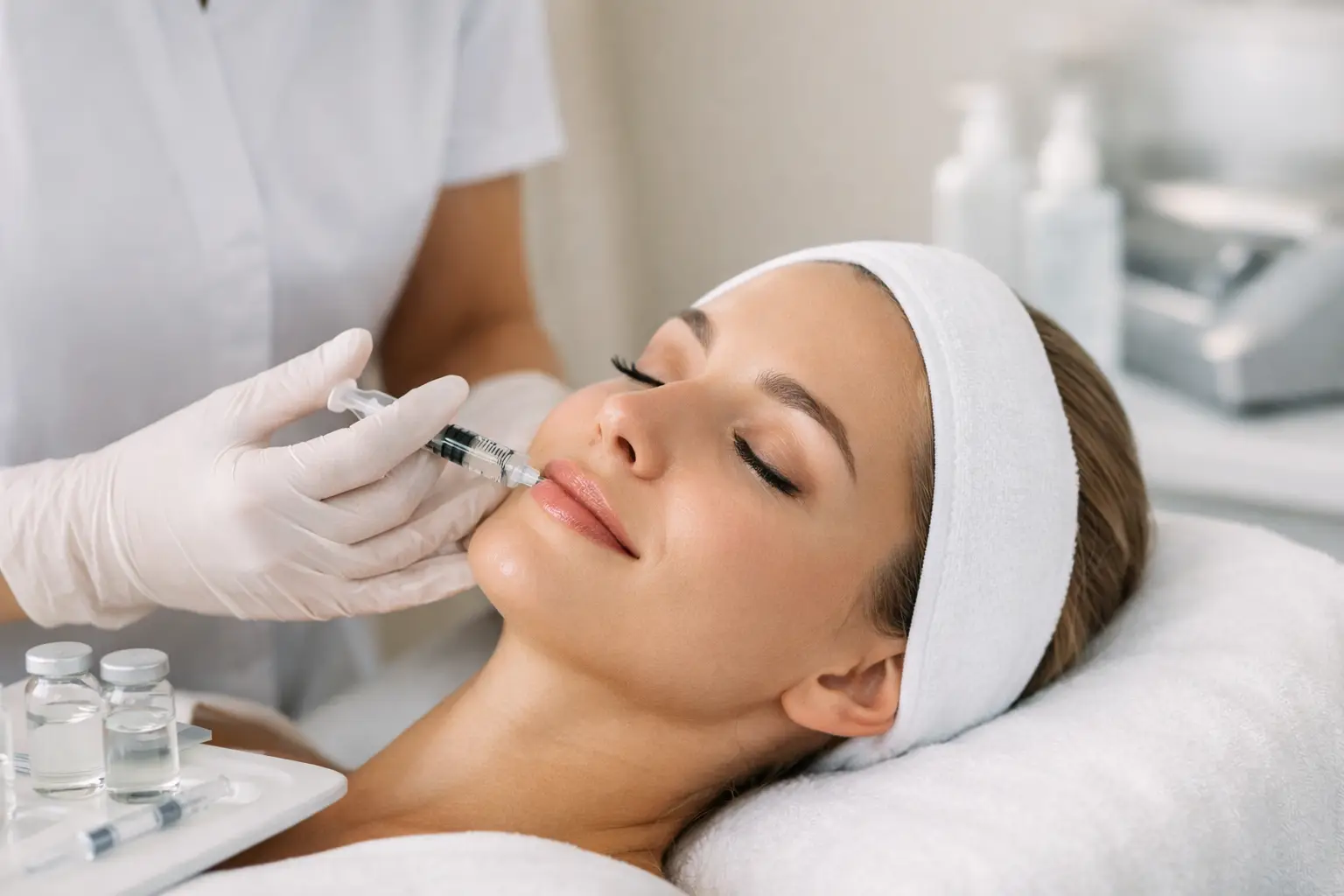
Good skin rarely comes from one treatment done on a whim. Most people who ask about glow, firmness and smoother texture are not really looking for a dramatic change – they want their skin to look fresher, healthier and better supported over time. That is where an aesthetics clinic Woodford skin boosters polynucleotides discussion becomes useful, because these treatments are often mentioned together but they do not do exactly the same job.
If you are deciding between skin boosters and polynucleotides, the right starting point is not which treatment is more popular. It is understanding what your skin is doing now, what concerns you want to improve, and whether your priority is hydration, repair, texture, resilience or a combination of these. For many clients, the best plan is not choosing one against the other, but using the right treatment at the right stage.
Aesthetics clinic Woodford skin boosters polynucleotides – what is the difference?
Skin boosters are injectable treatments designed primarily to improve hydration, skin quality and overall luminosity. They usually contain hyaluronic acid in a form that is placed very superficially into the skin. Rather than adding volume like a dermal filler, they help the skin retain moisture and can improve smoothness, suppleness and that rested look clients often struggle to get from topical skincare alone.
Polynucleotides work differently. These are regenerative injectables that support tissue repair and skin function. They are often chosen when the skin looks tired, crepey, compromised or less resilient. Rather than simply drawing water into the skin, polynucleotides are used to encourage a healthier skin environment, which can make them particularly useful for delicate areas and for clients concerned with skin quality rather than facial volume.
This distinction matters. If your main concern is dehydrated, dull skin before an event or after a period of stress, a skin booster may be more appropriate. If your concern is finer lines, fragile under-eye skin, early laxity or skin that seems slower to recover, polynucleotides may be the better fit. In some cases, both have a place within a longer-term plan.
Who skin boosters tend to suit best
Skin boosters are often well suited to clients who feel their skin has become flat, dry or less radiant. They can be helpful if makeup is sitting poorly, the skin feels rough despite a good skincare routine, or there is a general loss of bounce without significant sagging. Many clients choose them for the face, neck, décolletage and hands, where dehydration and textural change can become more noticeable.
They can also be a sensible option for people who want subtle improvement without changing facial shape. Because the goal is skin quality rather than contour, the result is usually understated. The skin tends to look better rested and better hydrated rather than obviously treated.
That said, skin boosters are not a replacement for every concern. If laxity is more advanced, pigmentation is the dominant issue, or there is significant volume loss, another treatment or combination approach may be more effective. Honest treatment planning matters here, because not every concern can be solved with hydration alone.
What results can you expect from skin boosters?
Results are usually gradual. Clients may notice improved hydration fairly early, but the best effects often develop after a course of treatment rather than a single session. Skin can look smoother, fresher and more reflective, with improved texture and a softer appearance to fine dehydration lines.
The key word is subtle. Skin boosters are generally for refinement, not transformation. If someone is expecting a lifting effect or a major reduction in deeper folds, expectations need to be adjusted from the start.
When polynucleotides may be the better option
Polynucleotides are often chosen for skin that needs support and repair rather than just moisture. They can be particularly useful around the eyes, where the skin is thin and easily creased, and in areas where clients want a more regenerative approach. They are also commonly discussed when skin appears more fragile, less elastic or slower to recover.
This treatment appeals to clients who want natural-looking improvement and are happy to wait for progressive results. Polynucleotides are not about instant correction. They are about improving the quality of the tissue over time, which can lead to skin that feels stronger, calmer and more resilient.
For some people, that makes them a better investment than a treatment focused mainly on hydration. For others, especially those with very dry or dull skin, a skin booster may still be the first priority. It depends on whether the skin is lacking water, lacking resilience, or showing signs of both.
Are polynucleotides only for mature skin?
No, and that is a common misconception. While polynucleotides are often excellent for age-related skin changes, they are not reserved for older clients. Younger clients with stressed skin, poor texture, delicate under-eye concerns or early signs of collagen decline may also benefit.
Age is only one factor. Skin behaviour, lifestyle, healing response and treatment goals are often more useful guides than the number on a birthday card.
Skin boosters or polynucleotides – how do you choose?
The best choice comes from consultation, not guesswork. A good assessment looks at your skin quality, medical history, treatment history, lifestyle and the areas that concern you most. It should also look at timing. If you want your skin to look fresher quite quickly, the treatment approach may differ from someone focused on longer-term regeneration.
As a general guide, skin boosters are often chosen when hydration, glow and surface texture are the priority. Polynucleotides are often chosen when repair, resilience and delicate skin support are needed. If both concerns are present, combining them across a staged plan can be very effective.
There are trade-offs. Skin boosters may give a quicker feeling of improved hydration, while polynucleotides may require more patience. Polynucleotides may suit certain areas better, especially where heavy products or volumising treatments are not ideal. Neither should be sold as a miracle treatment, and both work best when matched properly to the skin in front of you.
What treatment feels like and what downtime to expect
Both treatments are injectable, so some degree of redness, swelling, tenderness or small marks at injection sites can happen afterwards. This is usually short-lived, but downtime varies depending on the product used, the area treated and your own skin response.
Skin boosters can leave small raised bumps for a short period because of the way the product is placed into the skin. Polynucleotides can also create temporary swelling or visible injection points, especially in finer skin. Most clients return to normal activity quickly, but it is still wise to avoid planning treatment immediately before a major social event.
Aftercare matters. Clean skin, avoiding heat and strenuous exercise for the recommended period, and following individual advice all help reduce irritation and support a smoother recovery. This is one reason many clients value a consultation-led service – treatment does not stop at the injection itself.
Why the setting and practitioner matter
Advanced skin treatments should never feel rushed. Whether you are booking in Woodford or elsewhere, the important question is not just what is being offered, but how the treatment is being assessed, delivered and followed up.
A medically informed approach means discussing suitability properly, explaining realistic outcomes and being honest when another treatment would serve you better. It also means understanding facial anatomy, skin health, contraindications and how to tailor the plan to someone who wants natural improvement rather than a generic package.
For clients who prefer privacy and convenience, treatment at home can also remove a layer of stress from the experience, provided clinical standards are maintained. That combination of discretion, safety and personalised care is often what makes people feel comfortable enough to begin treatment in the first place.
Building a plan that looks natural
The strongest results in aesthetics usually come from doing the right amount, in the right order, for the right reason. Someone with dull but otherwise healthy skin may do very well with skin boosters alone. Someone with under-eye crepiness, reactive skin or early tissue decline may be better suited to a course of polynucleotides. Another client may benefit from starting with one and introducing the other later.
At London Essex Aesthetics, that kind of treatment planning is central to achieving results that look refined rather than overdone. The aim is not to chase trends. It is to improve skin quality in a way that fits your face, your lifestyle and your comfort level.
The best treatment is the one that makes sense for your skin now, not the one that sounds newest or most impressive. If you start there, you are far more likely to end up with skin that looks healthy, balanced and genuinely like your own – only better supported.