
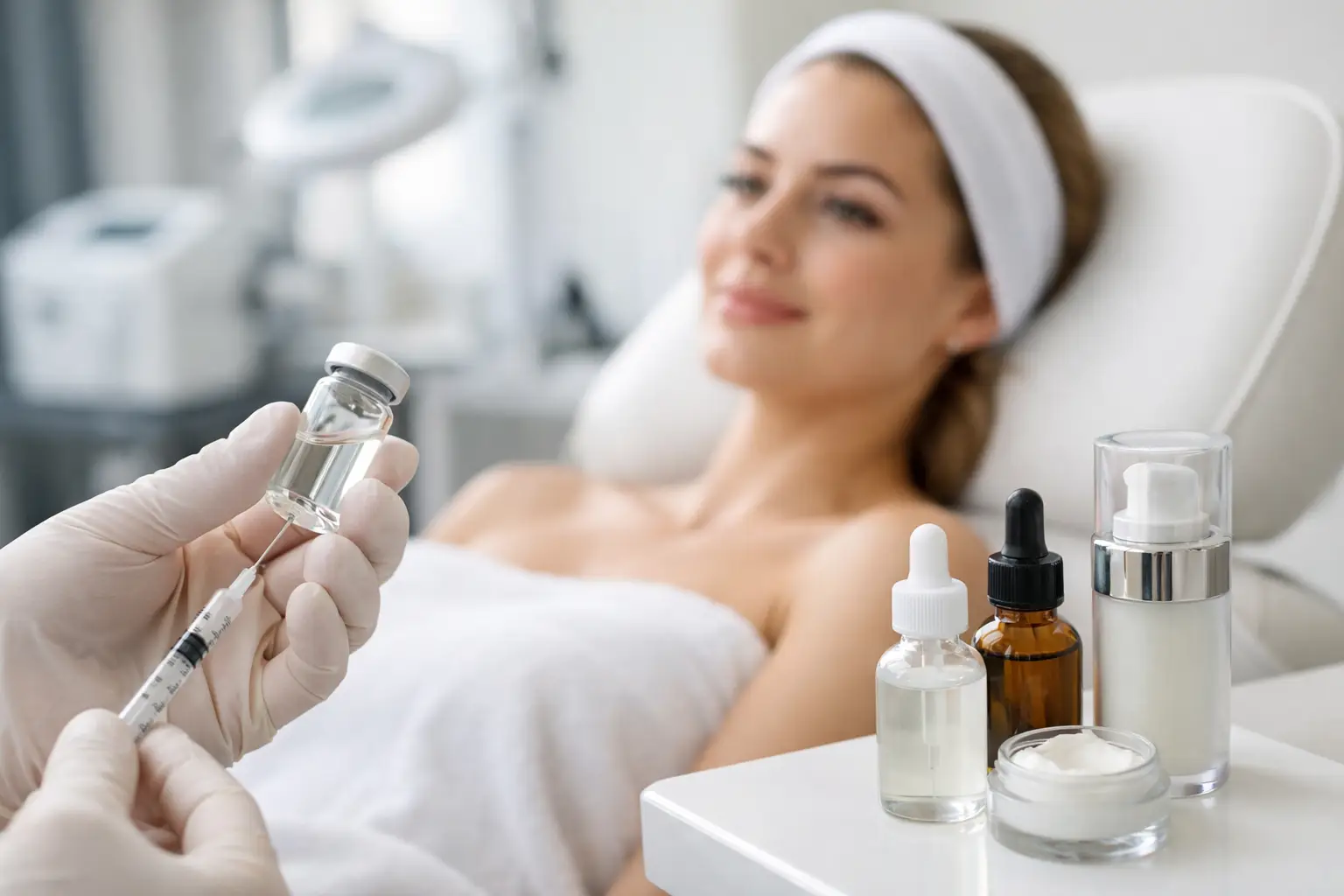
If you are searching for an aesthetics clinic Shoreditch clients can trust, one question matters more than most – what exactly is being used in your treatment, and where has it come from? Attractive branding and social media results can draw attention, but safety starts much earlier, with consultation standards, prescribing protocols, storage, product traceability and honest clinical decision-making.
In aesthetics, the product itself is only one part of the picture. The practitioner, the treatment plan and the way your appointment is managed all influence the result. That is why a reassuring service should never rely on vague promises. You should feel comfortable asking what treatment is proposed, why it suits your concern, who prescribes when needed, how items are stored and what aftercare support is available if you have questions once the appointment is over.
What to expect from an aesthetics clinic Shoreditch clients can rely on
A good aesthetics provider does not treat every face, skin concern or wellness goal in the same way. Whether you are considering anti-wrinkle treatment, dermal filler, skin boosters, microneedling, PRP, polynucleotides or a peel, the process should begin with suitability rather than sales. That means discussing your medical history, previous treatments, allergies, medications, skin condition, expectations and any lifestyle factors that could affect healing or results.
This matters because not every treatment is right for every person, and not every person is right for treatment on that day. Sometimes the safest recommendation is to delay or other times it is to choose a more conservative option or might even be it is to say no altogether. That level of judgement is often what separates a medically responsible service from one that is simply trying to fill appointments.
For many clients, especially those with busy schedules, privacy concerns or family commitments, convenience matters as well. A mobile service can work exceptionally well when the same clinical standards travel with the practitioner. The setting may be your home or chosen location, but the standards should remain structured, hygienic and consultation-led.
Why sourcing and traceability matter
When clients ask whether products are legitimate, they are usually trying to understand something bigger – can I trust this treatment from start to finish? That trust should be supported by clear answers, not deflection.
Traceability matters because every injectable or skin treatment product should be identifiable within the clinical record. Batch details, expiry dates and treatment notes are part of safe practice. If a provider seems vague about what they are using, avoids naming the product, or cannot explain how it is obtained and documented, that should give you pause.
It also matters because different products behave differently. A filler is not just a filler. A skin booster is not just a skin booster. Even within the same category, product characteristics, treatment depth, placement and expected outcome can vary. A responsible practitioner will explain why a specific option has been recommended for your anatomy, skin quality or treatment goal, rather than presenting every treatment as interchangeable.
Consultation comes before treatment
The safest aesthetic appointments rarely feel rushed. A proper consultation should leave you with a clearer understanding of what can realistically be achieved, how many sessions may be needed, what the downtime is likely to be and what the possible risks are.
This is particularly important for treatments that are often oversimplified online. For example, polynucleotides may support skin quality and tissue repair, but they are not a replacement for volume where volume is needed. PRP can be useful for some clients with hair thinning or skin concerns, but results depend on the individual and usually require a course. Chemical peels can improve tone and texture, but strength, skin preparation and aftercare all matter. Good treatment planning is rarely about choosing the newest option. It is about choosing the right option.
An honest consultation also protects you from overtreatment. Natural-looking results usually come from restraint, especially in the face. If a practitioner is willing to explain what does not need doing, that is often a reassuring sign.
The role of prescribing, hygiene and clinical process
Some aesthetic treatments require a prescription. Clients do not need to know every regulatory detail, but they should expect the process to be followed correctly. If a treatment requires a prescriber, there should be a legitimate consultation and prescription pathway in place before treatment goes ahead.
Hygiene is just as important, although many clients only notice it when something feels off. Clean preparation, hand hygiene, safe sharps disposal, skin cleansing and a methodical set-up are not extras. They are the basics. In a mobile setting, these details matter even more because professionalism has to be visible in the way the practitioner prepares the space and manages the appointment.
Aftercare is another useful measure of quality. You should not be left wondering what swelling is normal, when to avoid exercise, how to care for your skin after a peel or when to get back in touch. Clear aftercare instructions and a sensible review plan show that the appointment is being treated as clinical care, not a quick transaction.
Natural results depend on more than the product
Many clients want to look fresher, less tired or better rested, not different. That usually means taking a balanced approach. Product choice plays a role, but assessment matters just as much. Facial structure, skin quality, movement, age-related changes and your baseline features all affect what will look right.
This is where experience and restraint become especially valuable. In some cases, a subtle anti-wrinkle treatment may be enough. In others, a skin-focused approach such as microneedling, polynucleotides, PRP or exosomes may make more sense than adding volume. If there is volume loss, placement and quantity need careful judgement. A natural result often comes from doing less, but doing it well.
There is also a trade-off to be aware of. The most dramatic short-term change is not always the best long-term decision. Chasing instant transformation can lead to heaviness, imbalance or a look that does not sit comfortably with the rest of the face. A more considered plan may take longer, but it often ages better.
Questions worth asking before you book
You do not need to interrogate your practitioner, but you should feel able to ask sensible questions. What treatment do you recommend for my concern, and why? Am I suitable today? What should I expect afterwards? How many sessions might I need? Who will carry out the treatment and, where relevant, who prescribes? What happens if I have a concern after the appointment?
The way these questions are answered tells you a great deal. Reassurance should come from clarity, not pressure. If you feel rushed into booking, pushed towards more treatment than you wanted, or given answers that are overly vague, it is reasonable to step back.
For clients choosing care at home, it is also worth asking how the appointment will be set up and what you need to do in advance. A well-run mobile practitioner will make the process straightforward, maintain privacy and ensure you still receive the same level of clinical attention you would expect from a fixed location.
Why discretion and convenience still need standards
For many people, travelling across London for an appointment is not always practical. Home visits can remove that friction. They can also make the experience feel calmer and more private, which is particularly helpful if you are new to aesthetics or prefer not to sit in a waiting room.
That convenience should not dilute standards. It should simply make access easier. A professional mobile service should still include consultation, consent, treatment planning, hygiene protocols, documentation and aftercare. The environment may be more comfortable, but the approach should remain clinically grounded.
This is where London Essex Aesthetics is clear in its approach. The focus is on bringing medically informed, personalised treatment into a setting that suits the client, while keeping the process careful, structured and centred on natural outcomes.
Aesthetic treatment should feel considered from the first conversation onwards. If a provider is transparent, measured and willing to explain their process properly, that usually tells you more than any sales claim ever could. The right clinic or practitioner is not simply offering treatment – they are giving you enough confidence to make a calm, informed decision.