
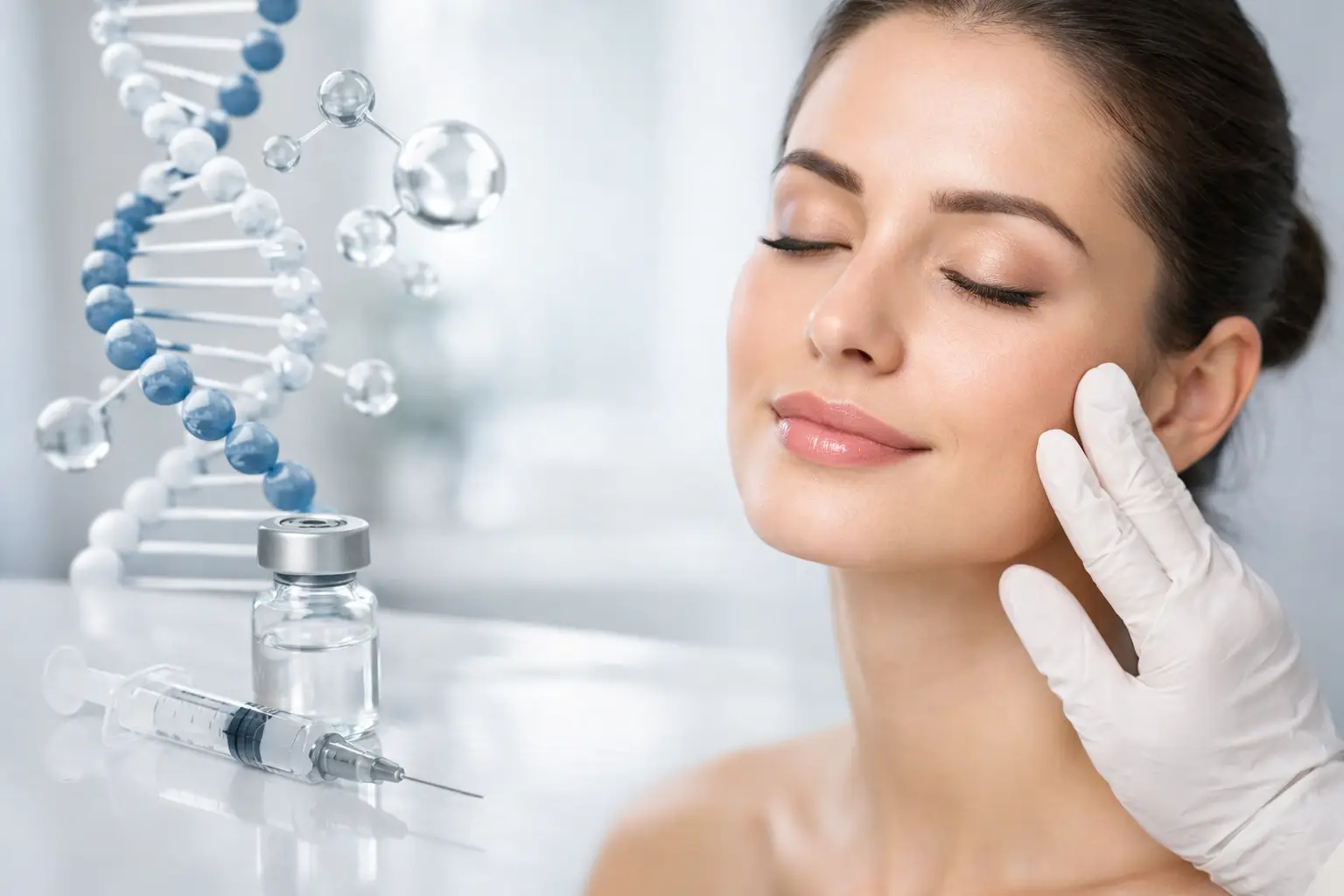
Skin that looks tired often does not need to be filled – it needs to be supported. That is why aesthetics Hackney polynucleotides have become such a popular option for clients who want fresher, healthier-looking skin without changing their features. Rather than adding volume in the way filler does, polynucleotides are used to improve skin quality, encourage repair and help the skin behave more like younger, stronger tissue.
For many people, that distinction matters. If your concern is crepey under-eye skin, dullness, fine lines, reduced elasticity or skin that simply looks less resilient than it used to, a regenerative treatment can be more appropriate than a volumising one. The best results usually come from choosing the right treatment for the right concern, not from doing more for the sake of it.
What are polynucleotides?
Polynucleotides are injectable skin-rejuvenating treatments made from highly purified DNA fragments. In aesthetic medicine, they are used to support tissue repair, improve hydration, calm inflammation and stimulate fibroblasts – the cells involved in producing collagen and elastin. In practical terms, that means the skin can become smoother, stronger and better able to retain moisture over time.
This is not an overnight treatment and it is not designed to create dramatic change after one appointment. Polynucleotides are better understood as a course-based treatment that improves the condition of the skin gradually. The aim is healthier tissue and a more refined finish, which is why they appeal to clients who want natural-looking improvement rather than an obvious cosmetic shift.
Why aesthetics Hackney polynucleotides appeal to natural-looking results
One of the main reasons clients ask about polynucleotides is that they sit comfortably within a more subtle approach to aesthetics. They do not sharpen the face, inflate volume or create a heavily treated appearance. Instead, they work with the skin itself.
That makes them especially useful for people who feel they look worn out, but do not want filler, or for those who have reached a point where skincare alone is no longer enough. They can also complement other treatments well, but they should not be treated as a catch-all. If someone has significant volume loss, deep static folds or marked skin laxity, polynucleotides may help the overall skin quality but may not address the full concern on their own.
Good treatment planning always starts with honesty. In some cases, polynucleotides are the right first step. In others, they work best as part of a wider plan.
What concerns can polynucleotides help with?
Polynucleotides are commonly used where the skin is thin, fragile or showing signs of early to moderate ageing. The under-eye area is one of the most requested treatment zones because it is difficult to treat well and tends to show tiredness quickly. Crepiness, fine lines and skin that looks papery can respond well when the area is treated appropriately.
They can also be used across the face, neck and décolletage, where clients often notice dullness, uneven texture and reduced firmness. Some practitioners use them on the scalp as part of a broader approach to hair health, particularly where the goal is to support the condition of the scalp and surrounding tissue.
What they do best is improve quality. They are less useful if your main aim is lifting, contouring or replacing lost facial structure. That is where consultation matters, because the right recommendation depends on what is causing the concern in the first place.
What happens during treatment?
Treatment usually begins with a consultation, medical history and skin assessment. This is an important stage because not every tired-looking face is a candidate for the same injectable treatment. Lifestyle, skin condition, previous treatments and healing response all matter.
On the day, the skin is cleansed and the product is placed through a series of very small injections in the chosen area. Some protocols use a cannula in certain zones, while others rely on fine needles. The approach depends on the treatment area, the product being used and the practitioner’s clinical judgement.
Most appointments are straightforward and relatively quick. You may see small raised bumps immediately afterwards where the product has been placed. These usually settle, but the exact downtime varies according to the area treated and individual response. The under-eye area in particular can be prone to swelling or bruising, even when treatment is carried out carefully.
How many sessions are usually needed?
Polynucleotides are typically recommended as a course rather than a one-off appointment. A common plan is two to three sessions spaced a few weeks apart, followed by maintenance if appropriate. The exact schedule depends on the product, the condition being treated and how the skin responds.
This is one of the reasons expectations need to be realistic from the beginning. If someone wants a treatment before an event next weekend, polynucleotides are unlikely to be the best option. They are better suited to clients who are willing to invest in gradual skin improvement that develops over time.
That slower pace is not a drawback for everyone. Many clients prefer a treatment that builds quietly, particularly if they want colleagues or friends to notice that they look well rather than obviously treated.
When will you see results?
Some clients notice an improvement in hydration and skin freshness fairly early, but the more meaningful changes tend to appear progressively as the skin responds. Texture, elasticity and overall skin quality can continue to improve over several weeks following a course.
Results are not identical for everyone. Age, skin health, smoking, sun exposure, stress, sleep and hormone changes can all influence outcome. That is why no responsible practitioner should promise the same result to every patient, particularly in delicate areas such as under the eyes.
The goal is improvement, not perfection. In aesthetic practice, that is often the difference between a result that looks elegant and one that feels overpromised.
Are polynucleotides better than filler or skin boosters?
This is where treatment comparisons need a bit of care, because these products do different jobs. Dermal filler is primarily used to restore volume, contour and structure. Skin boosters focus strongly on hydration and skin glow. Polynucleotides are more regenerative in approach, with an emphasis on tissue repair and skin function.
So the better question is not which treatment is best in general, but which is best for your concern. If the issue is hollowing in the mid-face, filler may be more relevant. If the concern is dehydration and dullness, a skin booster may be worth considering. If the skin is thin, fragile or showing reduced elasticity, polynucleotides may be the more suitable option.
There are cases where treatments can be combined, but combining treatments is not automatically better. It needs careful sequencing, clear reasoning and a plan that respects healing time and skin behaviour.
What should you know about safety and downtime?
As with any injectable treatment, safety depends on proper assessment, product selection, technique and aftercare. Even a treatment that is considered minimally invasive still carries possible side effects, including redness, swelling, tenderness and bruising. Some areas are more reactive than others.
You should also be advised when treatment may need to be postponed, such as during active skin infection, certain medical conditions or if there are contraindications based on your health history. This is one reason a consultation-led approach matters so much. Good practice is not about squeezing every patient into the same treatment menu. It is about knowing when to proceed, when to adapt and when to say no.
For clients who value privacy and convenience, receiving treatment in a calm, familiar environment can also make the process feel more manageable. London Essex Aesthetics takes that approach seriously, with mobile appointments designed around safety, comfort and personalised care rather than a rushed clinic experience.
Who is a good candidate for polynucleotides?
A good candidate is usually someone who wants skin rejuvenation rather than facial reshaping. They may be starting to notice fine lines, reduced firmness, dullness or delicate under-eye skin, and they want improvement that looks believable. They also tend to understand that regenerative treatments are not instant fixes.
The best candidates are patient, realistic and open to a treatment plan rather than a single quick solution. That includes younger clients who want preventative skin support as well as older clients who want to improve skin quality as part of a broader aesthetic approach.
If you are unsure whether polynucleotides are right for you, that uncertainty is not a problem. It is exactly what consultation is for. A proper assessment should leave you clearer on what your skin needs, what this treatment can realistically do and whether another option would suit you better.
When aesthetics is done well, the result is not a different face. It is skin that looks healthier, better supported and more in keeping with how well you feel.