
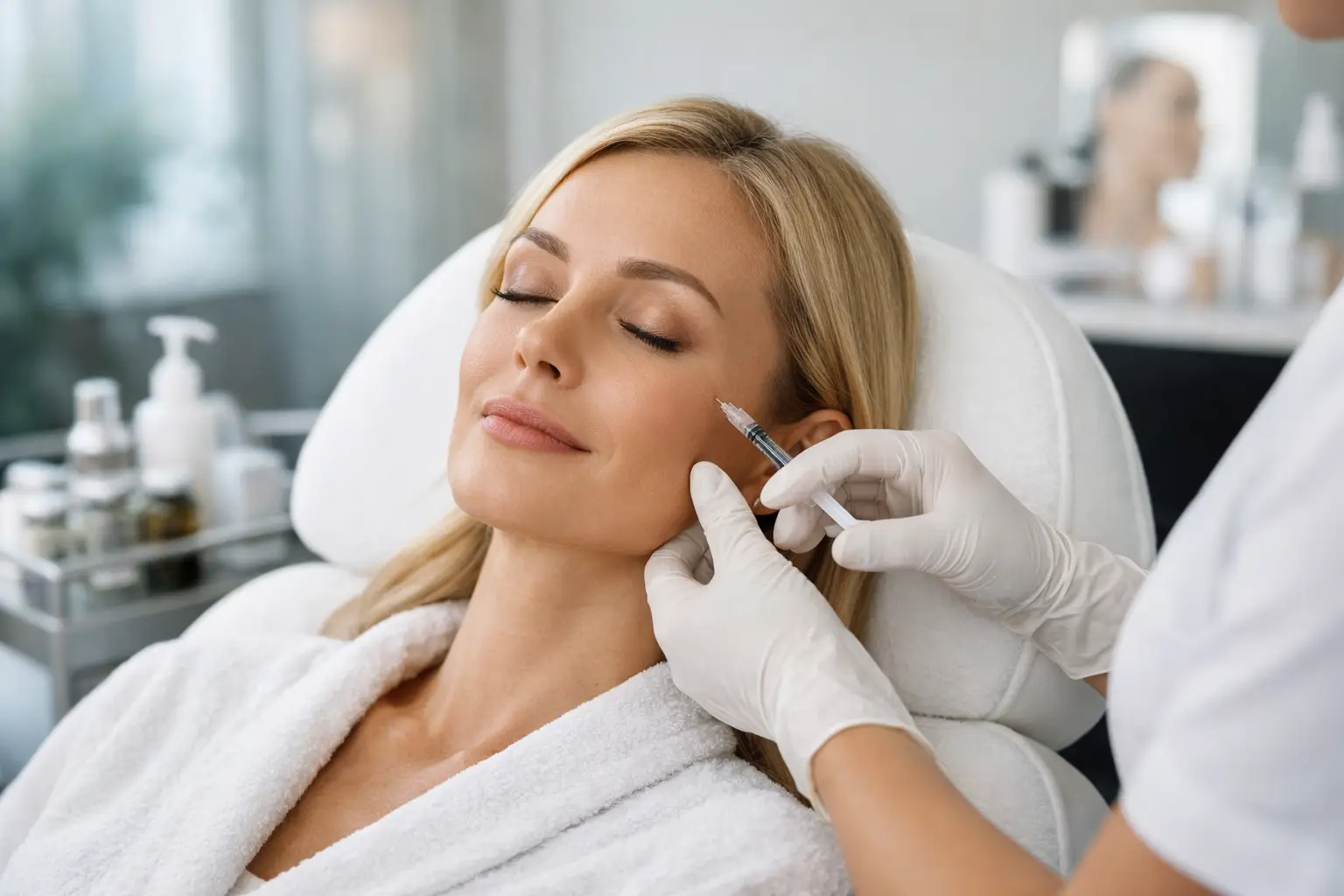
Choosing an aesthetics clinic Essex 07904 727272 is rarely just about finding a treatment menu. For most people, it is about feeling confident in who is advising you, how treatment decisions are made, and whether the end result will still look like you. That matters even more when you are considering treatments in your own home, where convenience should never come at the expense of clinical standards.
A well-run mobile aesthetics service can offer a very high level of care when it is built around consultation, safety and personalised treatment planning. For busy professionals, parents, or anyone who values privacy, that approach can make treatment far easier to fit into real life. The key is knowing what good practice looks like before you book.
What to expect from an aesthetics clinic Essex 07904 727272
The best aesthetic care starts well before any treatment is carried out. A proper consultation should look at your concerns, medical history, previous treatments, skin quality, facial balance and what kind of result you actually want. Some clients arrive asking for a specific product or procedure, but a responsible practitioner will still assess whether it is appropriate.
That distinction matters. Not every concern is best treated with filler, and not every line needs relaxing. In some cases, a skin-focused approach such as microneedling, polynucleotides, a chemical peel or skin boosters may be more suitable than adding volume. In others, a combination plan over time gives a more natural result than trying to achieve everything in one appointment.
A good practitioner should also be comfortable saying no, or not yet. If your expectations are unrealistic, if a treatment is not indicated, or if timing is not right, honesty is part of safe care. For clients, that usually feels reassuring rather than disappointing.
Why mobile treatment appeals to many clients
There is a clear practical advantage to mobile aesthetics. You do not need to factor in travelling, parking, waiting rooms or trying to return to work straight after an appointment. Treatment can be arranged around your schedule, and the setting is often calmer and more private than a fixed clinic.
That said, convenience alone is not enough. A mobile service should still follow strict hygiene protocols, bring the correct clinical supplies, manage consent properly and provide clear aftercare. If those things are missing, the fact that treatment happens at home becomes a drawback rather than a benefit.
When mobile aesthetics are done well, the experience feels more personal. Clients often feel more relaxed discussing concerns in a familiar setting, and that can lead to better conversations about goals, maintenance and long-term skin health. It also suits people who prefer discretion and do not want aesthetic appointments to feel public.
Treatments should match the concern, not the trend
One of the biggest misconceptions in aesthetics is that there is a single best treatment for everyone. In reality, treatment choice depends on the underlying issue.
If facial ageing is mostly about movement, lines and wrinkles treatment may be the most effective option. If the concern is volume loss or contour, dermal filler may help, but only when used carefully and with restraint. If skin looks tired, uneven or dehydrated, skin boosters, microneedling, polynucleotides or regenerative options may make more sense.
For clients concerned about dullness, pigmentation or rough texture, a peel or collagen-stimulating treatment may offer gradual improvement with a fresher overall appearance. For hair thinning, PRP may be considered where suitable. For wellbeing support, some clients also choose IV drips or IM vitamins as part of a broader self-care plan.
The trade-off is that subtle, natural-looking work often takes patience. A responsible practitioner may recommend staged treatment rather than a dramatic change in one sitting. That can mean slower progress, but it tends to produce more balanced results and reduces the risk of looking overtreated.
Natural results depend on planning
Most clients do not want to look different. They want to look fresher, less tired, or more rested. That is a very different goal from chasing exaggerated volume or sharp changes that do not fit the face.
Natural-looking results usually come from three things. First, a full-face assessment rather than treating one isolated area in a rush. Second, a clear understanding of proportion and facial movement. Third, enough restraint to stop before a result becomes obvious.
This is where consultation-led care matters most. Someone may ask for lip filler, but if the surrounding area is dehydrated, the lips may not be the only issue. Another client may focus on nasolabial folds when the better starting point is mid-face support or improving skin quality. Small changes in the right place generally age better than larger changes in the wrong place.
Safety, standards and aftercare are not optional
When comparing providers, safety should be central to the decision. That includes medical screening, informed consent, a clear explanation of risks and benefits, appropriate product selection and realistic advice on downtime. It also includes what happens after the appointment.
Aftercare should never feel like an afterthought. Clients need straightforward instructions on what to avoid, what is normal during recovery and when to get in touch. Swelling, bruising and temporary tenderness can occur with some treatments, so it helps to know what to expect. More importantly, you should know how concerns will be handled if they arise.
This is another area where experienced, professional care stands apart. Reassurance is important, but so is precision. You want a practitioner who explains treatments clearly without minimising risk or making unrealistic promises.
Questions worth asking before you book
If you are choosing an aesthetics clinic Essex 07904 727272, ask how consultations are carried out, whether treatment recommendations are tailored, and what kind of aftercare support is provided. It is also sensible to ask whether your treatment plan may involve a series of appointments rather than a single visit.
You should also pay attention to how results are described. Language such as refreshed, balanced and natural is usually a better sign than claims that sound dramatic or sales-led. Aesthetic treatment should be personalised. If every client is being guided towards the same procedure, that is worth questioning.
Cost matters too, but value is not just the price of the appointment. It is the quality of the consultation, the appropriateness of the treatment, the safety standards in place and the support you receive afterwards. Cheaper treatment can become expensive if it leads to poor results or corrective work.
A more personalised way to approach aesthetic care
For many clients across London and Essex, the appeal of mobile treatment is not simply that it is easier. It is that the whole process can feel more considered. You have time to ask questions, discuss concerns properly and receive treatment in a setting that feels comfortable.
That can be particularly helpful for first-time clients, or for anyone returning to aesthetics after a poor experience elsewhere. The right practitioner should make advanced treatments feel understandable, not intimidating. Whether the plan involves injectables, regenerative treatments or skin-focused care, the process should feel calm, informed and tailored to you.
At its best, aesthetic treatment is not about following trends or chasing perfection. It is about making measured improvements that fit your features, your lifestyle and your goals. If you are looking for expert care with the added benefit of privacy and convenience, choose a service that treats consultation and safety as seriously as the treatment itself. That is usually where the best results begin.