
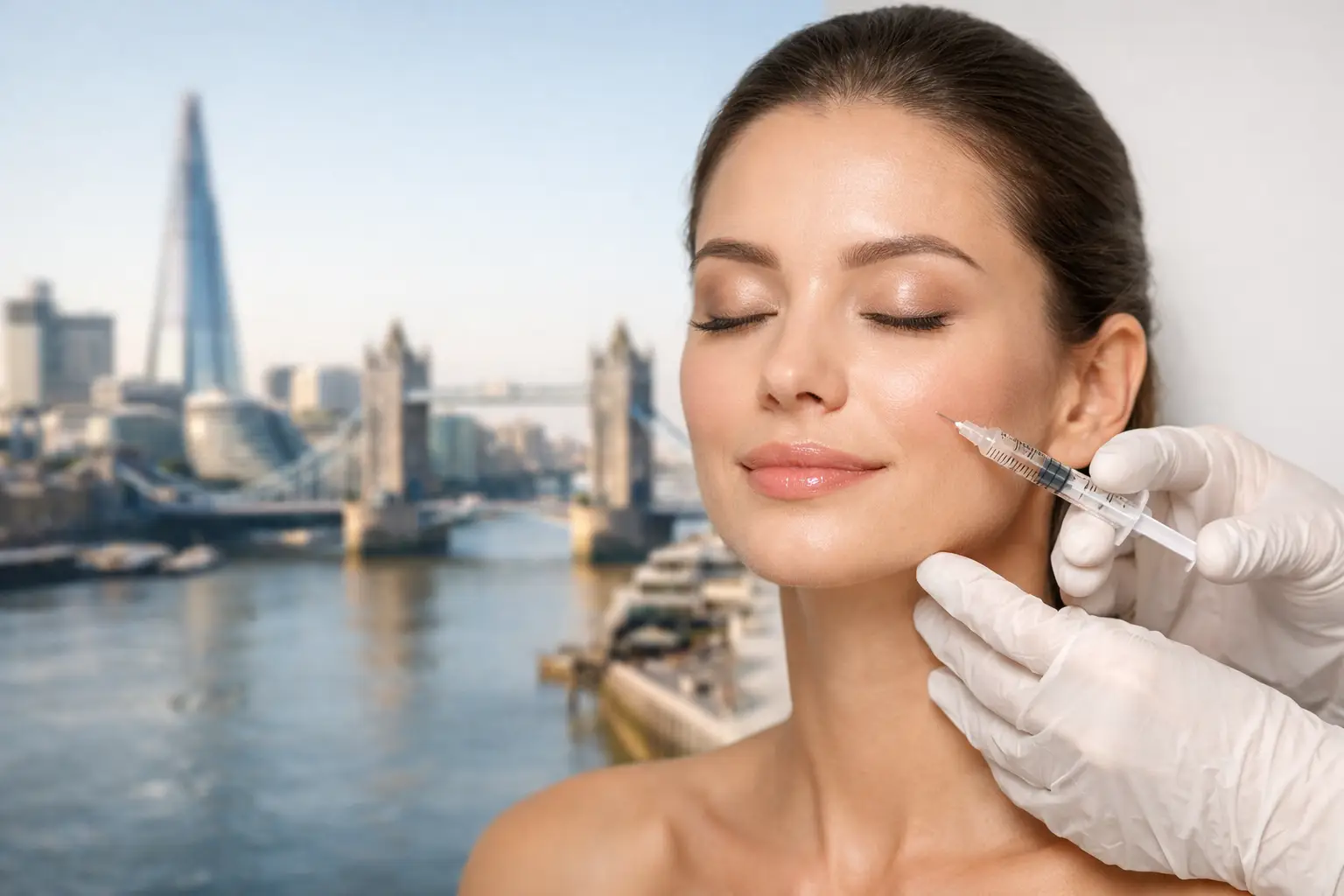
Good skin rarely comes from one quick fix. More often, it is the result of choosing the right treatment for the right concern, at the right time. For many clients asking about skin booster treatment London options, the goal is not dramatic change. It is fresher, healthier-looking skin that feels hydrated, smooth and naturally improved.
That is exactly where skin boosters can be useful. They sit in the space between skincare and more structural injectable treatments. They do not create the same kind of volume as dermal filler, and they are not designed to freeze muscle movement like anti-wrinkle treatments. Instead, they work within the skin itself to improve hydration, texture and overall quality.
What is skin booster treatment in London?
Skin booster treatment in London usually refers to a series of injectable treatments designed to improve skin quality from within. Most are based on hyaluronic acid or other regenerative ingredients that attract water, support hydration and help the skin look smoother and more luminous.
Rather than changing facial shape, skin boosters are used to treat concerns such as dullness, dehydration, fine lines and crepey texture. They can be particularly helpful when skin looks tired, feels dry or has lost some of its bounce. In a city like London, where long working hours, commuting, pollution and central heating can all affect the skin, that appeal is easy to understand.
Different products work in slightly different ways. Some focus mainly on deep hydration, while others are chosen to support collagen stimulation and skin repair. The right option depends on your skin condition, age, treatment history and what kind of result you actually want. This is why a proper consultation matters. Not every client asking for a skin booster needs the same product, and not every concern is best treated with a booster alone.
Who skin boosters tend to suit best
Skin boosters can suit a wide range of adults, but they are especially popular with clients who want subtle improvement rather than obvious intervention. If your skin looks flat, dehydrated or less even than it used to, this type of treatment may be worth considering.
They are often a good fit for people noticing early signs of ageing, but they can also work well for younger clients whose main concern is glow, hydration or skin maintenance. In practice, that means they can be suitable for busy professionals before an event season, parents who want refreshed skin without a heavy recovery period, or established aesthetic clients looking to improve skin quality between other treatments.
There are limits, though. If the main concern is deep volume loss, heavy jowling or significant skin laxity, skin boosters may help the skin look better but will not replace treatments designed for lifting, contouring or structural support. Honest treatment planning means being clear about that from the outset.
Common treatment areas
The face is the most requested area, particularly the cheeks, lower face and under-eye region if the chosen product is appropriate for that area. Skin boosters are also commonly used on the neck, décolletage and hands, where skin often starts to show dehydration and creasing.
These areas can be difficult to treat with topical products alone. A good home skincare routine still matters, but once the skin is chronically dehydrated or showing textural change, an injectable approach can sometimes achieve more noticeable improvement.
What results can you realistically expect?
This is where expectations need to stay grounded. Skin boosters are known for refined results. You should not expect to walk out looking like a different person. What most clients notice is that their skin gradually looks more rested, smoother and better hydrated.
Depending on the product used, results may include improved luminosity, softer fine lines, a more even texture and better skin elasticity. Makeup may sit more evenly, and the skin can appear less creased or papery, especially in areas prone to dehydration.
Results are usually not instant in the way some clients imagine. There can be some early plumping from hydration, but the more meaningful improvement develops over the following weeks. Most treatment plans involve an initial course followed by maintenance sessions, because skin quality is something to support over time rather than fix permanently in one appointment.
Skin booster treatment London clients often compare with other options
One of the most common questions around skin booster treatment London enquiries is whether it is better than filler, microneedling or polynucleotides. The honest answer is that these treatments do different jobs.
Dermal filler is used to restore volume, contour and structure. If cheeks have flattened or the chin lacks definition, a skin booster will not create the same support. Anti-wrinkle treatment targets dynamic lines caused by muscle movement, which is again a different concern.
Microneedling can be excellent for texture, acne scarring and stimulating repair, while polynucleotides are often chosen when tissue regeneration and skin quality are the main priorities. In some cases, a combination plan is the better route. For example, a client with dehydrated skin, mild laxity and fine lines may benefit from skin boosters alongside microneedling or regenerative treatment rather than relying on one approach alone.
The best treatment is not always the newest or most talked about one. It is the one that matches your skin and your aims.
What happens at the appointment?
A proper appointment should begin with consultation, not treatment first and questions later. Your practitioner should ask about medical history, allergies, medications, previous aesthetic treatments and any skin concerns you want to address. The skin itself should be assessed closely, because dryness, redness, laxity, pigmentation and textural change do not all point to the same plan.
If treatment goes ahead, the skin is cleansed and prepared before the product is placed into the skin using a series of precise injections. The exact technique depends on the product and treatment area. Some clients find it very manageable, while others experience mild stinging or sensitivity. A topical numbing cream may be used where suitable.
The treatment itself is usually relatively quick. Because this is an injectable procedure, you should also expect clear aftercare advice and realistic guidance about recovery.
Downtime and aftercare
Downtime is often mild, but it is still downtime. You may have redness, small bumps at the injection points, minor swelling or bruising for a few days. Certain areas, especially under the eyes, can settle more slowly than others.
Aftercare usually includes avoiding intense exercise, heat exposure, alcohol and unnecessary touching of the area for a short period. You may also be advised to pause active skincare for a day or two depending on what has been used. These steps are simple, but they matter. Good results are supported by good aftercare.
Safety matters more than convenience
Convenience should never come at the expense of standards. If you are booking an injectable treatment at home or in another non-clinic setting, hygiene, clinical assessment and emergency protocols still need to be in place. A professional mobile service should feel organised, calm and medically responsible, not casual.
That means sterile equipment, safe sharps disposal, thorough consent, proper record keeping and careful patient selection. It also means being prepared to say no when treatment is not suitable. Reassurance does not come from being told yes to everything. It comes from knowing the practitioner is selective, honest and focused on your safety.
This is especially important with treatments that are often described online as simple or low risk. Skin boosters may be less about dramatic alteration, but they are still injectable procedures requiring skill, anatomy knowledge and sound judgement.
How to choose the right practitioner for skin boosters
The quality of the consultation often tells you a great deal. A good practitioner will explain what the treatment can do, what it cannot do and whether another option may be more appropriate. They should also discuss likely side effects, the number of sessions recommended and the type of result you can realistically expect.
Be cautious of anyone promising perfect skin, instant transformation or a one-size-fits-all package. Skin quality is personal. Age, lifestyle, sun exposure, hormones, stress and previous treatments all affect the outcome.
For clients who value discretion and flexibility, mobile aesthetic care can be a strong option when it is delivered properly. London Essex Aesthetics, for example, focuses on consultation-led treatment in the comfort of your own home while maintaining the standards clients should expect from a professional service. For many people, that balance of privacy, convenience and personalised care makes treatment feel more manageable.
Is it worth it?
If your aim is fresher, better hydrated skin with a natural finish, skin boosters can be a worthwhile treatment. They are not the answer to every concern, and they are not designed to replace more structural or corrective procedures. What they can do very well is improve the quality of the skin in a subtle, polished way.
That tends to appeal to clients who want to look well, not obviously treated. If that sounds closer to your goals, the right next step is not chasing the most popular product. It is having an honest conversation about your skin, your expectations and what will genuinely suit you best.