
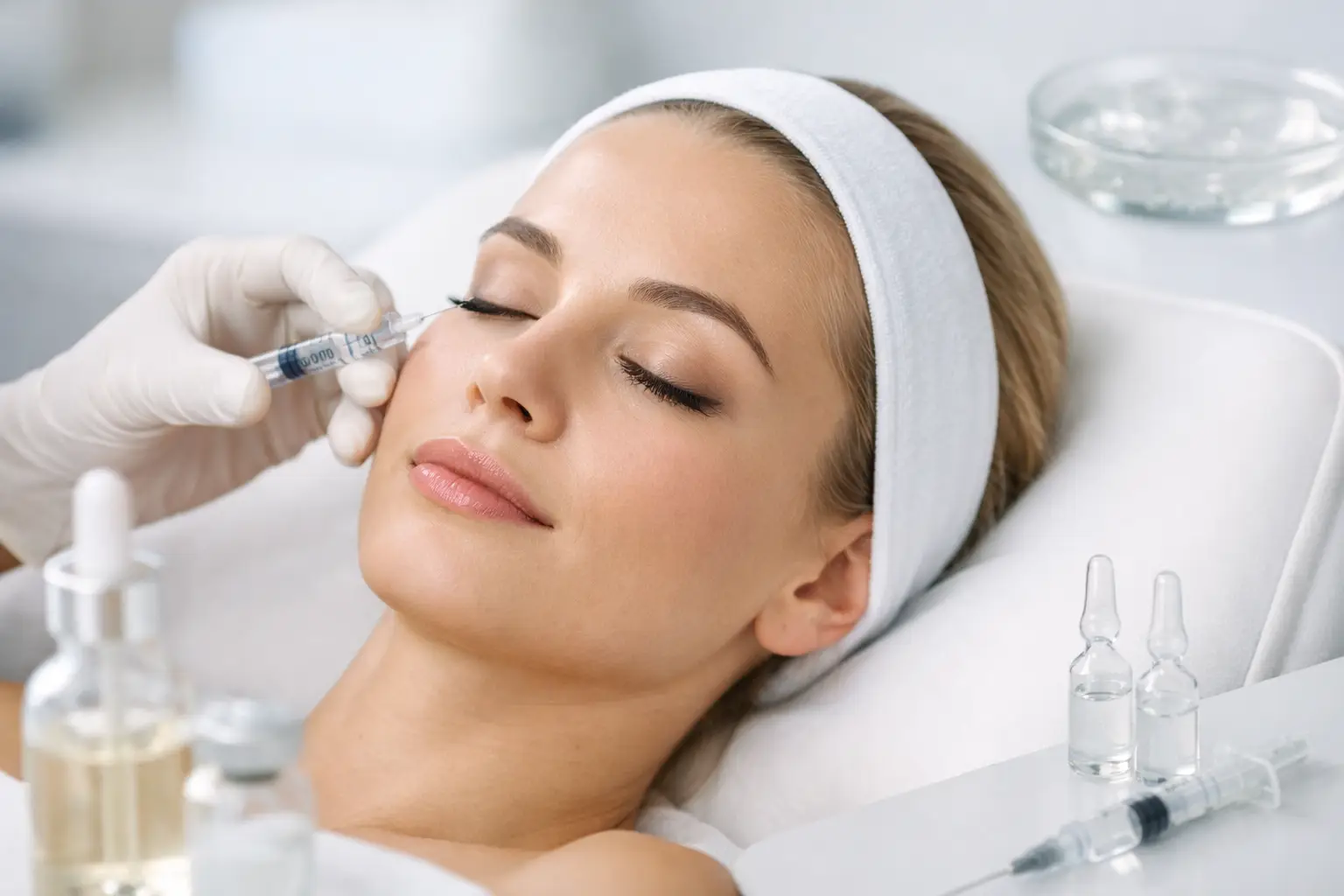
A smooth forehead can look fresher, but it will not improve crepey skin under the eyes. Better skin quality can make you look healthier, but it will not soften strong movement lines in the same way as anti-wrinkle treatment. That is why aesthetics Benfleet Botox polynucleotides benefits are best understood together rather than as interchangeable options.
For many clients, the real question is not which treatment is “best” in general. It is which treatment is right for the concern they want to treat, the result they want to see, and the pace at which they want that result to appear. Botox and polynucleotides can both support a fresher, more rested appearance, but they work very differently and suit different treatment goals.
Aesthetics Benfleet Botox Polynucleotides Benefits Explained
Botox is used to relax targeted facial muscles that create dynamic lines. These are the lines that form through repeated movement, such as frowning, raising the brows or squinting. By reducing that muscle activity, the skin is given a chance to sit more smoothly, which softens the appearance of those lines and can prevent them becoming more deeply etched over time.
Polynucleotides are different. Rather than relaxing movement, they are regenerative injectable treatments designed to support tissue repair and improve overall skin quality. They help the skin look healthier, more hydrated and more resilient. This can be especially useful where the skin appears tired, thin, dull or fragile.
The benefits of each treatment are clear once you match them to the right concern. Botox is often chosen for forehead lines, frown lines and crow’s feet. Polynucleotides are often considered for under-eye rejuvenation, skin texture, fine creasing, redness-prone or compromised skin, and areas where skin quality matters more than muscle movement.
How Botox Works and Where It Helps Most
Botox remains one of the most established non-surgical aesthetic treatments because it is precise and predictable when used appropriately. It works by temporarily interrupting signals between nerve endings and selected muscles. When those muscles contract less strongly, the overlying skin folds less, which reduces visible expression lines.
In practice, this makes Botox especially effective for upper-face concerns. A frown can look less heavy. Forehead movement can appear softer. Crow’s feet can become less pronounced while still allowing natural expression when treatment is carefully planned.
The main benefits are usually visible within days, with full effect often seen around two weeks. For clients who want a relatively quick improvement before an event or simply prefer a treatment with a well-known track record, this can be appealing.
That said, there are limits. Botox does not replace volume loss. It does not improve skin laxity in every area. It also does not directly repair thinning or crepey skin. If the concern is poor skin quality rather than movement-related lines, another treatment may be more suitable, or a combination approach may be advised.
What Polynucleotides Do for Skin Quality
Polynucleotides are increasingly chosen by clients who want rejuvenation that looks subtle, gradual and skin-focused. These injectable treatments are designed to support regeneration within the skin, helping improve hydration, elasticity and tissue condition over time.
They are particularly valued in areas where the skin is delicate and traditional volumising approaches may not be appropriate. The under-eye area is a common example. When someone looks tired because of crepey texture, fine lines or thin-looking skin, muscle relaxation alone may not address the issue. Polynucleotides can be useful here because the goal is not to freeze movement or add obvious volume, but to improve the quality of the skin itself.
This treatment can also suit clients who are noticing early signs of ageing and want to strengthen the skin before concerns become more pronounced. Results tend to develop progressively rather than immediately, which many people appreciate if they want change that is less noticeable to others but still meaningful over time.
Botox or Polynucleotides – Which Is Better?
There is no honest one-size-fits-all answer. Botox is better for expression lines caused by muscle movement. Polynucleotides are better for skin rejuvenation, especially where the skin looks depleted, fragile or tired.
If someone is bothered by a strong frown line that deepens every time they concentrate, Botox is often the more direct treatment. If someone is more concerned by under-eye creasing, dullness or skin that no longer looks as firm as it once did, polynucleotides may be the better fit.
Sometimes the answer is both, but not always at the same time and not always in the same area. A personalised consultation matters because the same face can have several different concerns, each with a different cause. Treating all of them with one product rarely gives the most refined result.
Aesthetics Benfleet Botox Polynucleotides Benefits in Combination
For the right client, combining Botox and polynucleotides can be a sensible and balanced approach. One treatment can reduce the mechanical stress caused by repeated muscle movement, while the other supports the skin itself. This is often where the most natural-looking results sit – not in chasing one dramatic change, but in addressing different aspects of ageing with appropriate tools.
For example, a client might use Botox for forehead lines and frown lines, while choosing polynucleotides for the under-eye area or general skin rejuvenation. The outcome is not a different face. It is a fresher version of the same face, with smoother movement-related lines and healthier-looking skin.
The trade-off is that combination treatment requires planning. Botox usually gives a faster visible change, while polynucleotides often need a course of treatment and patience. Clients who prefer immediate transformation may need realistic expectations if skin regeneration is part of the plan.
Who Usually Suits These Treatments?
Botox may suit adults who have visible dynamic lines, want a softer or more rested appearance, and are comfortable with a treatment that temporarily reduces movement in selected areas. It is often a strong option for prevention as well as correction, particularly when lines are starting to become fixed.
Polynucleotides may suit adults who are more concerned with skin condition than facial movement. This includes those noticing under-eye ageing, dehydration, rough texture or skin that seems thinner and less resilient than it used to. It can also appeal to clients who want rejuvenation without looking treated.
Suitability is never just about age. Skin quality, anatomy, medical history, pregnancy or breastfeeding status, previous treatments and overall treatment goals all matter. A careful consultation should always come before treatment, particularly where advanced injectables are involved.
Why the Consultation Matters as Much as the Treatment
In aesthetics, the quality of the decision-making is often what determines the quality of the result. A good consultation should not start with a product. It should start with your concerns, your medical suitability and the outcome you actually want.
Some clients ask for Botox when their main issue is poor skin quality. Others ask for regenerative treatments when they are really bothered by movement lines. Clear assessment helps avoid spending money on a treatment that may be good in general but wrong for your face and priorities.
This is especially valuable for clients who want discreet, clinically led treatment in a private setting. At London Essex Aesthetics, the aim is to recommend what is appropriate, not simply what is popular. That often means explaining when a treatment is likely to work well, when it may only partly help, and when another option would be more suitable.
Safety, Expectations and Aftercare
Both Botox and polynucleotides should be carried out by a qualified medical professional with a strong understanding of facial anatomy, assessment and aftercare. Technique matters, but so does judgement. Subtle aesthetics rely on restraint as much as skill.
Aftercare is usually straightforward, but it should still be taken seriously. Mild swelling, tenderness or small injection marks can occur. Most clients return to normal activity quickly, though individual advice may vary depending on the treatment area and the treatment performed.
Expectations also need to be realistic. Botox is temporary and requires maintenance. Polynucleotides are regenerative, which means results build over time rather than appearing overnight. Neither treatment should make you look like someone else, and the best outcomes usually look unforced.
If you are weighing up Botox and polynucleotides, the right choice is rarely about trends. It is about identifying what your skin and facial movement are actually showing, then treating that thoughtfully. When the plan is tailored properly, subtle work often makes the biggest difference.