
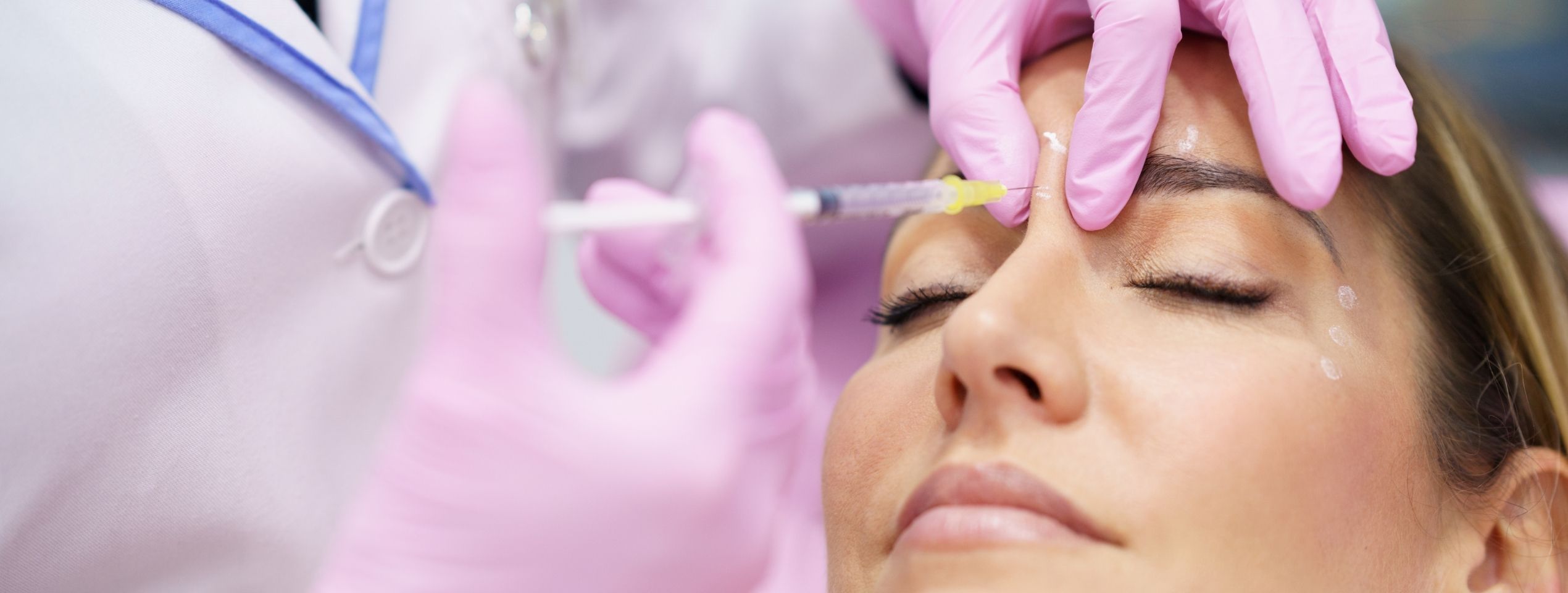
Botulinum toxin, which is also known as Botox, is one of the most widely known aesthetic treatments, yet it is often misunderstood. Some people believe it freezes facial expression, while others assume the results are permanent.
In reality, Botox is a carefully controlled, non-surgical treatment used to soften fine lines and dynamic wrinkles caused by repeated facial movement.
For this reason, people considering Botox also want to know how long the results last and what influences their duration. Understanding how Botox works and how the body responds helps set clear and realistic expectations.
What Does Botox Actually Do To Facial Muscles?
Botox belongs to a group of medications known as neuromodulators and is designed to relax specific facial muscles that contribute to expression lines. The treatment works by reducing the nerve’s chemical signals that prompt certain muscles to contract.
As muscle activity decreases, the lines created by repeated expressions may begin to soften. At the same time, the surrounding muscles continue to function normally, which helps preserve overall facial expression.
When administered by a trained and experienced practitioner, treatments for wrinkles can be applied with precision to relax selected muscles while preserving natural movement.
How Long Does Botox Usually Last?
Most Botox treatments last around three to four months, although the exact duration can vary slightly from person to person depending on how the body responds.
A typical timeline may look like this:
After the session: Small raised areas may appear at the injection points. These usually settle quickly. Mild bruising can also occur and typically resolves within 24-48 hours.
First 24 hours: Aftercare guidance should be followed, which is usually provided by the practitioner after the treatment service. This includes avoiding strenuous activity and excessive heat exposure.
3-5 days: Early changes may begin to appear as the muscles gradually respond to the treatment.
7-10 days: The full effect usually develops as muscle activity continues to soften.
Around two weeks: Results can be properly assessed, and practitioners may review the outcome if needed.
What Factors Affect How Long Botox Works?
Some people notice early changes within a few days, while others see the full effect closer to two weeks. This variation is influenced by several individual factors. These include:
Metabolism
The speed at which your body processes Botox can influence how long the results last. People with faster metabolic rates may find that the effects wear off slightly sooner, while others may notice results lasting closer to the typical three to four months.
Area Treated
Different areas of the face move with varying levels of strength and frequency. Muscles that are used more often, such as those involved in facial expression, may regain activity sooner than less active areas.
Dosage Used
The amount of Botox administered can also influence how long the results last. In aesthetic treatments, doses are carefully tailored to soften muscle activity while maintaining natural movement. The exact amount used will depend on the treatment area, muscle strength, and the desired outcome.
Type Of Botulinum Toxin Used
Botox is one of several botulinum toxin treatments used to soften facial lines. While the products work in a similar way, they can differ slightly in how quickly they take effect and how long the results typically last. Your practitioner will recommend the option best suited to your treatment plan during consultation.
Movement
The settling process can also be affected by activity shortly after treatment. It is generally advised to avoid intense physical activity for about 24 hours to allow the treatment to settle properly. Following the recommended aftercare instructions helps support optimal results.
Lifestyle Habits
Habits such as smoking, frequent alcohol consumption, and overall health may affect how the body processes the treatment.
What Happens If You Stop Having Botox?
As the effect gradually fades, the treated muscles regain their normal activity, and the softened lines begin to reappear. In other words, the skin simply returns to its natural state without sudden changes or long-term effects.
Because Botox works temporarily, it gives people the flexibility to continue treatment for maintenance or allow the results to fade naturally if they prefer.
Who May Not Be Suitable For Botox Treatment?
Safety is always the priority when considering Botox. Although the treatment is widely used and generally well tolerated, it may not be suitable for everyone.
Botox is usually avoided if:
- You are pregnant
- You are breastfeeding
- You have certain neuromuscular conditions
- You have weakened facial muscles
- You have a known allergy to botulinum toxin or its ingredients
- You are taking certain medications, such as specific antibiotics or muscle relaxants, which may increase the risk of side effects
As part of safe practice, a thorough consultation is essential. Practitioners should review your medical history, assess facial movement, and discuss your goals to ensure Botox is suitable for you before treatment begins. This personalised approach also helps you understand the available options and choose the ones that best complement your natural features and overall skin goals.
Frequently Asked Questions About Botox
Can Botox Be Combined With Other Aesthetic Treatments?
Yes. Botox can be combined with other aesthetic treatments such as dermal fillers, skin boosters, or microneedling. Each treatment targets different aspects of skin quality and facial ageing. Practitioners can recommend a suitable approach based on your skin concerns and treatment goals, ensuring treatments work well together and complement your features.
How Soon Can You Exercise After Botox?
It is usually advised to avoid strenuous exercise for around 24 hours after Botox treatment. Allowing this short rest period helps the product settle into the targeted muscles and supports consistent, balanced results.
Can Botox Be Reversed If Needed?
Botox does not have a reversal treatment like hyaluronic acid fillers. However, its effects are temporary and gradually wear off as the body processes the product.
Does Botox Prevent Wrinkles Or Only Treat Them?
Botox can help soften existing expression lines while also reducing the muscle activity that contributes to the formation of new lines. For this reason, some people choose treatment earlier to help manage the development of visible wrinkles.
How Soon Can Botox Be Repeated Safely?
Botox treatments are commonly repeated every three to four months, although timing can vary slightly between individuals.