
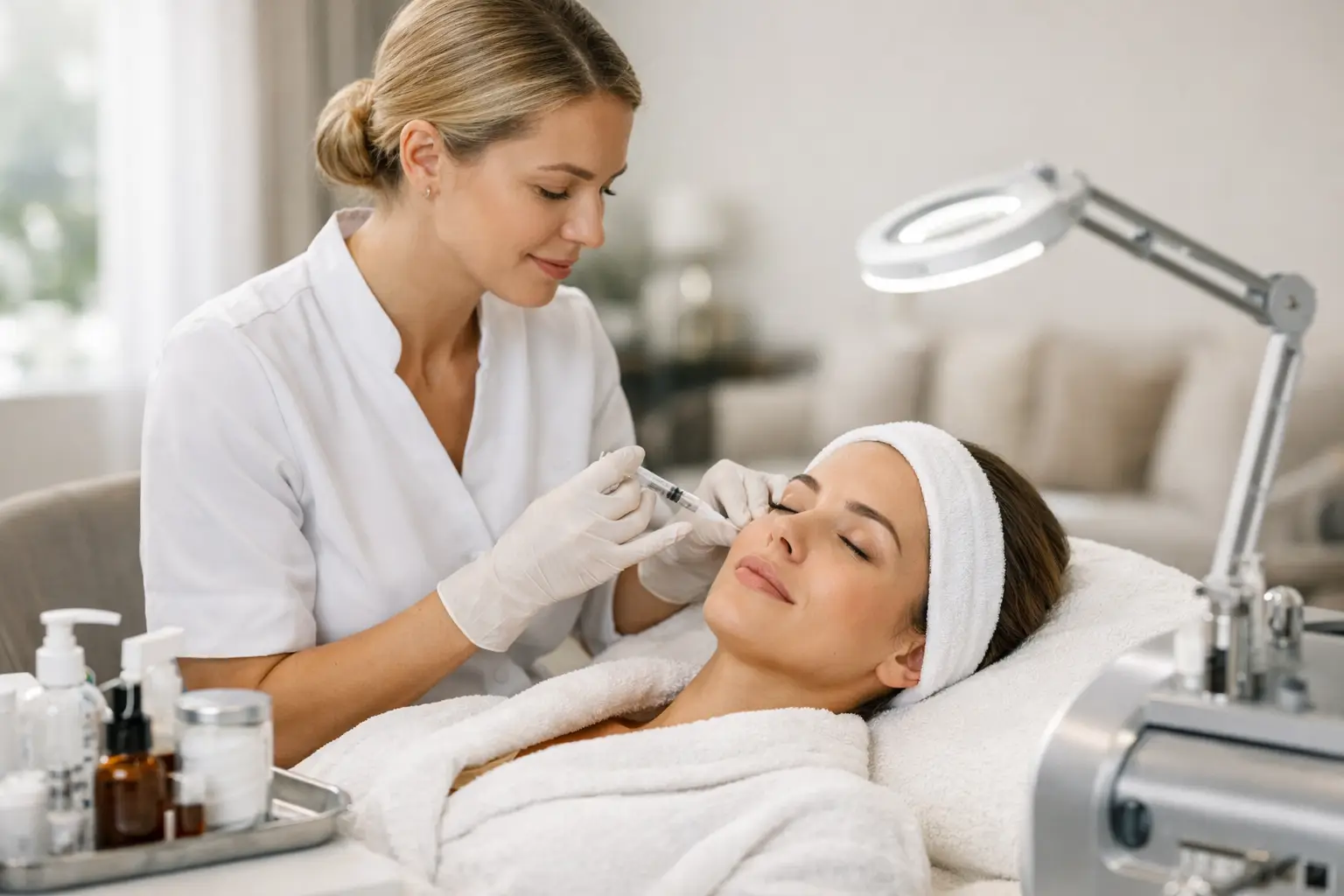
Aesthetic appointments do not need to mean reorganising a working day, arranging childcare or sitting in a busy waiting room. Private aesthetic treatments at home can offer a more comfortable alternative, provided the standard of assessment, treatment and aftercare remains exactly where it should be: high.
For many clients, the appeal is not simply convenience. It is the ability to discuss personal concerns in a familiar setting, take time over decisions and recover quietly afterwards. The key is choosing a practitioner who brings clinical judgement, appropriate products and clear safety processes to every appointment – not someone who treats a home visit as a shortcut.
What a professional home appointment should feel like
A well-run mobile aesthetic appointment should feel considered from the first conversation. Before any treatment is agreed, your practitioner should ask about your goals, medical history, allergies, current medication, previous procedures and any relevant skin or health concerns. They should also explain what treatment can realistically achieve, as well as when it may not be the right option.
This consultation-led approach matters because the same concern can have different causes. What appears to be a loss of cheek volume, for example, may be better addressed through skin quality, hydration or collagen stimulation rather than additional filler. Dullness, fine lines and uneven texture may respond more naturally to microneedling, a chemical peel, polynucleotides or a skin booster, depending on your skin and downtime preferences.
At-home treatment should never mean rushed treatment. There should be adequate time to assess you properly, discuss alternatives, obtain informed consent and create a calm, hygienic treatment area. A professional practitioner will arrive equipped to work safely and will be clear about what happens if you have a question or concern after they leave.
Why privacy changes the treatment experience
Privacy is often underestimated until it is absent. Some clients prefer not to encounter colleagues, neighbours or acquaintances while discussing facial ageing, hair thinning or wellness concerns. Others simply find it easier to speak openly when they are at home.
A familiar environment can also make the practical side of treatment easier. After an injectable appointment, for instance, there is no commute across London or Essex while you are trying to avoid unnecessary touching of the area. Following a skin treatment, you can settle in, follow your aftercare advice and let any expected redness fade without feeling on display.
That said, discretion should not be confused with secrecy or pressure to proceed. The right appointment gives you space to ask direct questions: Why this treatment? What are the risks? What result is realistic? How long will it last? A practitioner who welcomes those questions is helping you make a measured decision rather than selling a quick fix.
Private aesthetic treatments at home need proper standards
The setting may be different from a fixed clinic, but professional standards should not change. This is particularly important for treatments involving needles, prescription-only medicines or techniques that require careful assessment.
Your practitioner should use sterile, single-use equipment where appropriate, maintain a clean working field and follow infection-control procedures. Products should be suitable for professional use, stored correctly and traceable. You should know who is treating you, what product or treatment is being used and what the likely benefits, limitations and risks are.
For injectable treatments, it is also reasonable to ask about complication management. Although serious complications are uncommon, a responsible practitioner plans for them. They should have an appropriate emergency protocol, know when escalation is required and give you clear contact details for urgent advice.
A safe practitioner may decide not to treat on the day. This could be because you are unwell, have an active skin infection, are pregnant or breastfeeding, have recently had another procedure, or because the treatment does not suit your current needs. That can be disappointing, but it is a sign that safety is leading the decision.
Treatment plans should be personal, not pre-packaged
The best aesthetic work is rarely about doing more. It is about choosing the right treatment, at the right time, for the individual in front of you.
Lines and wrinkles treatments can soften movement-related lines while preserving expression when planned conservatively. Dermal filler may restore balanced volume or definition, but it is not the answer to every sign of ageing. Biostimulators and PLLA treatments can be considered where gradual collagen support is more appropriate than immediate volume. Each approach has a different timeframe, feel and maintenance requirement.
For clients focused on skin quality, regenerative options may be especially relevant. Skin boosters can support hydration and luminosity, while microneedling and chemical peels may help improve texture, tone and the appearance of fine lines. Polynucleotides, PRP and exosome therapy may be discussed as part of a broader plan for skin revitalisation or hair concerns, where suitable.
Wellness treatments such as IV drips and IM vitamins should be approached with the same care. A proper assessment is needed to understand your health background and whether the treatment is appropriate. They should support, not replace, good nutrition, sleep, medical advice or investigation of ongoing symptoms.
Natural-looking results come from restraint and planning. Sometimes the most effective recommendation is to start with one treatment, review your response and build gradually. This protects facial balance and allows your practitioner to see how your skin or tissue responds over time.
Preparing your home for an appointment
You do not need a clinical-looking house to have a safe home appointment. A clean, well-lit area with a stable surface and enough room for your practitioner to work is usually sufficient. It helps to choose a space where you can sit or recline comfortably and where distractions are limited.
Try to avoid scheduling immediately before a major event. Even treatments with little downtime can cause temporary redness, swelling, tenderness or small marks. Your practitioner should explain the expected recovery period in advance, but allowing a little breathing room reduces unnecessary pressure.
It is also sensible to have your medical information to hand and to be honest about recent treatments, medication and supplements. Do not stop prescribed medication without medical advice, but do mention it. Small details can affect whether a treatment is suitable or how your aftercare should be managed.
Aftercare starts before your practitioner leaves
Good aftercare is not a generic message sent later that evening. It begins with clear verbal guidance tailored to the treatment you have received. You should understand what is normal, what to avoid, how to care for the area and when to get in touch.
After injectables, this may include avoiding pressure on treated areas, strenuous exercise, excessive heat or alcohol for a specified period. After microneedling, peels or regenerative skin procedures, you may need to protect the skin barrier, avoid active skincare ingredients temporarily and be particularly diligent with SPF. The exact advice depends on the treatment, your skin and the products used.
You should also be told about warning signs that need prompt attention, rather than being left to search for answers online. Reliable follow-up is one of the clearest differences between a considered aesthetic service and an appointment that ends when payment is taken.
Is treatment at home right for you?
Home visits suit clients who value privacy, flexibility and a more personal pace. They can be particularly helpful for busy professionals, parents, people with limited time for travel and anyone who would rather recover in their own surroundings.
However, suitability also depends on the treatment and your individual circumstances. Some procedures may be better carried out in a dedicated clinical environment, and some concerns need assessment by a GP or medical specialist before aesthetic treatment is considered. An experienced practitioner will be honest about that distinction.
London Essex Aesthetics provides a mobile service built around this principle: convenience should support good care, never replace it. The aim is not to make treatments feel casual, but to make professional, personalised aesthetic care easier to access.
Choose private treatment because it gives you time, comfort and discretion, not because it asks less of the practitioner. When consultation, hygiene, clinical judgement and aftercare are all in place, your own home can be a reassuring setting for carefully planned, natural-looking results.