
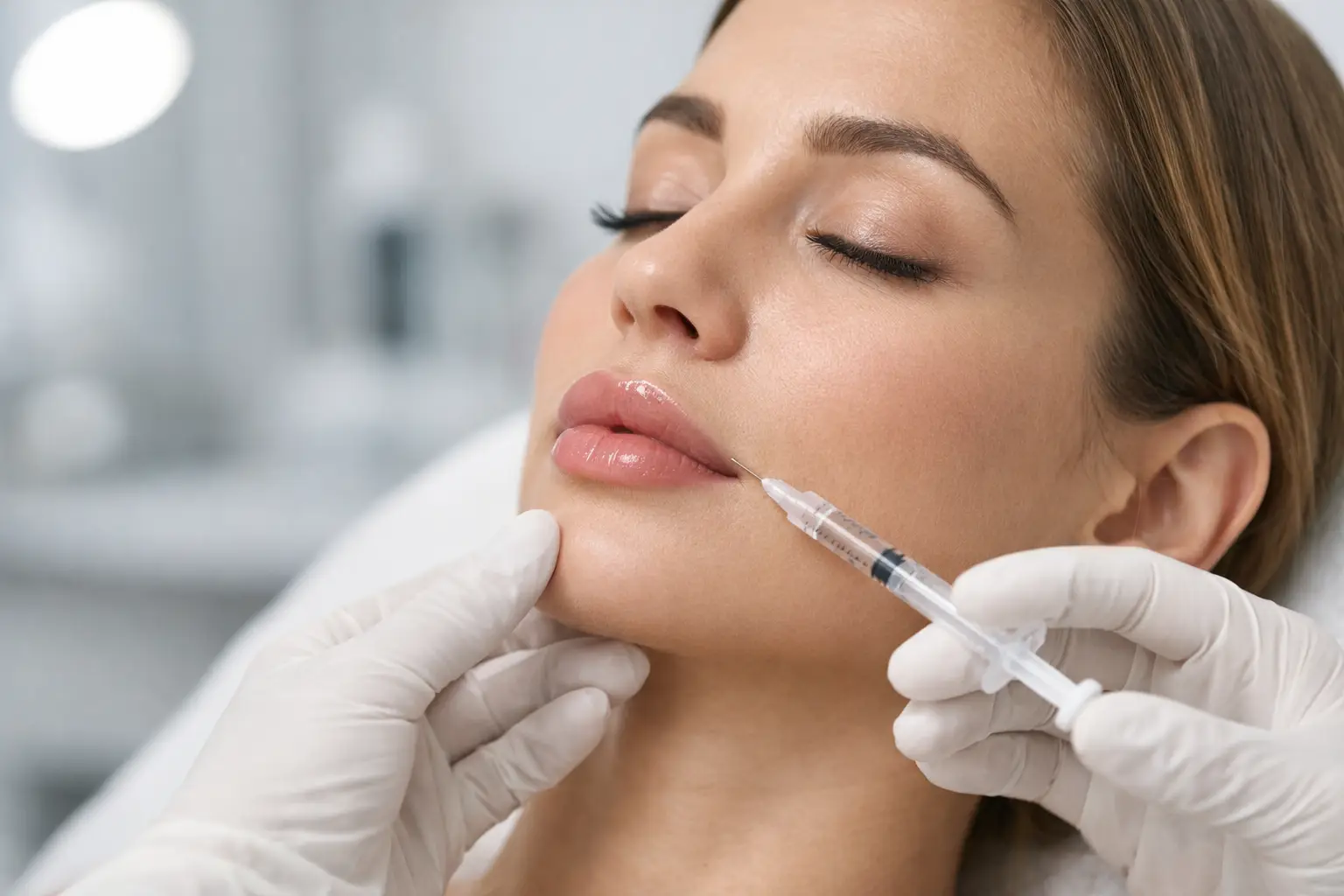
A fuller lip should still look like your lip. If you are searching for lip fillers bethnal green – 07904 727272, the priority should be a considered treatment plan that respects your natural proportions, rather than simply adding volume. The most flattering results are usually balanced, hydrated-looking and tailored to the way your face moves when you speak and smile.
For many clients, the appeal of a mobile appointment is practical as well as personal. It removes the need to travel across London after treatment and allows you to return to your normal routine in a calm, familiar setting. That convenience should never mean compromising on consultation, hygiene, product choice or aftercare.
Lip fillers in Bethnal Green: a personalised approach
Lip filler is a dermal filler treatment, most commonly using hyaluronic acid, a substance that naturally occurs in the skin and attracts water. When placed carefully, it can restore softness, improve definition, address mild asymmetry or add measured volume. It is not a one-size-fits-all procedure.
Some clients feel that their lips have become less defined over time, particularly around the border of the lip. Others would like to soften a downturned appearance, improve the balance between the top and bottom lip, or replace volume that has gradually reduced. A consultation helps distinguish between these concerns, because the best technique and amount of product will differ in each case.
Natural-looking does not mean that no change is visible. It means the enhancement sits comfortably within your facial features. Your practitioner should assess lip shape, facial proportions, skin quality, existing asymmetry and your expectations before recommending treatment. Sometimes the right advice is to use a small amount of filler, build gradually over more than one appointment, or wait until a different concern has been addressed.
What happens at a mobile lip filler appointment?
A professional appointment begins before any product is used. You should have time to discuss your goals, relevant medical history, allergies, medications, previous aesthetic treatments and any history of cold sores. Be open about previous filler, including treatment received elsewhere. This information supports safer planning and helps avoid working blindly over an unknown treatment history.
Your practitioner will assess the lips at rest and in movement, explain what may realistically be achieved and talk through the risks, benefits and likely recovery. Consent should be informed, never rushed. If the proposed result is not achievable safely in one session, this should be discussed honestly.
The treatment area is cleansed thoroughly and photographs may be taken, with your consent, for clinical records and to help assess the outcome. Lip filler injections are then placed with a carefully selected technique. Many products contain local anaesthetic, and topical numbing cream may be used where appropriate. You may feel pressure, a brief scratch or a stinging sensation, but treatment itself is usually relatively quick.
A mobile setting should still be suitable for treatment. It needs to be clean, well lit and private, with a stable area for preparation and enough space for you to sit or recline comfortably. London Essex Aesthetics brings the structure of a consultation-led aesthetic appointment to your chosen location, while maintaining the attention to hygiene, assessment and documentation that injectable treatment requires.
Choosing shape, definition or volume
The phrase “lip filler” covers several different goals. A subtle treatment may focus on hydration and soft structure, while another may concentrate on restoring the lip border. Some clients want a little more height through the upper lip, and others want improved balance where one side is naturally smaller.
It is tempting to arrive with a photograph of someone else’s result. Reference images can help communicate the style you like, but they are not a blueprint. Bone structure, lip tissue, age, skin elasticity and existing volume all influence the outcome. The same amount of filler can look very different from one person to another.
More filler is not always better. Overfilling can reduce the natural shape of the lip, create unwanted projection or make a result look less refined over time. A measured approach offers more control. It also gives you the opportunity to live with the change before deciding whether further enhancement is genuinely right for you.
When filler may not be the first answer
Lip filler is not suitable for everyone at every appointment. Treatment may need to be postponed if you are pregnant or breastfeeding, have an active cold sore, infection, broken skin or are feeling unwell. Certain medical conditions, medications and allergies can also affect whether treatment is appropriate.
If your main concern is fine lines around the mouth, severely dry or irritated lips, or a significant change caused by dental or facial structure, filler alone may not provide the result you expect. A responsible practitioner will explain the limitations and may recommend a different treatment plan or advise you to seek further medical or dental guidance first.
Recovery and aftercare: what to expect
Swelling, tenderness, redness and small areas of bruising are common after lip filler. The lips can appear fuller than expected immediately after treatment, especially during the first 24 to 48 hours. This early swelling is not your final result.
Most clients can continue with their day, but it is sensible to plan around a short recovery period. Avoid strenuous exercise, excessive heat, alcohol and anything that puts unnecessary pressure on the lips for the period advised by your practitioner. You should also avoid massaging the area unless you have been specifically instructed to do so.
Use a cool compress gently if needed, keep the area clean and follow the individual aftercare guidance you receive. If you are prone to cold sores, mention this during consultation, as preventative advice may be needed. It is also wise not to schedule lip filler immediately before a major event, as bruising and swelling are unpredictable.
Your practitioner should explain the symptoms that require prompt contact. Although serious complications are uncommon, vascular compromise is a recognised risk of dermal filler and needs urgent assessment. Severe or worsening pain, unusual blanching or mottled discolouration, a cold area of skin, or changes to vision must never be ignored. Choosing a practitioner who takes complications seriously, has appropriate protocols and provides clear contact arrangements is essential.
How long do lip fillers last?
The longevity of lip filler varies. Product choice, amount used, metabolism, lifestyle, lip movement and your individual tissue all play a part. Many clients find that results last several months, but there is no fixed timetable that applies to everyone.
A review may be appropriate once swelling has settled, depending on your treatment plan. This is not an automatic invitation to add more product. It is an opportunity to assess how the filler has integrated, whether your original goals were met and whether maintaining the result, waiting longer or making a small adjustment is the most sensible option.
Questions worth asking before you book
A good appointment welcomes questions. Ask what product is being used, why it suits your goals, what result is realistic, what aftercare you will need and how to contact the practitioner if you have concerns. You can also ask about their experience with lip treatments, complication management and whether they offer a gradual approach.
Price matters, but it should not be the only deciding factor with an injectable treatment. A very low price can obscure important differences in consultation time, product quality, practitioner training, hygiene standards and aftercare support. The value of treatment lies in careful judgement as much as the procedure itself.
A well-planned lip filler treatment should leave you looking refreshed, comfortable and recognisably yourself. Give yourself permission to ask questions, be clear about the level of change you want and choose a practitioner who is prepared to advise against treatment when it is not in your best interests.