
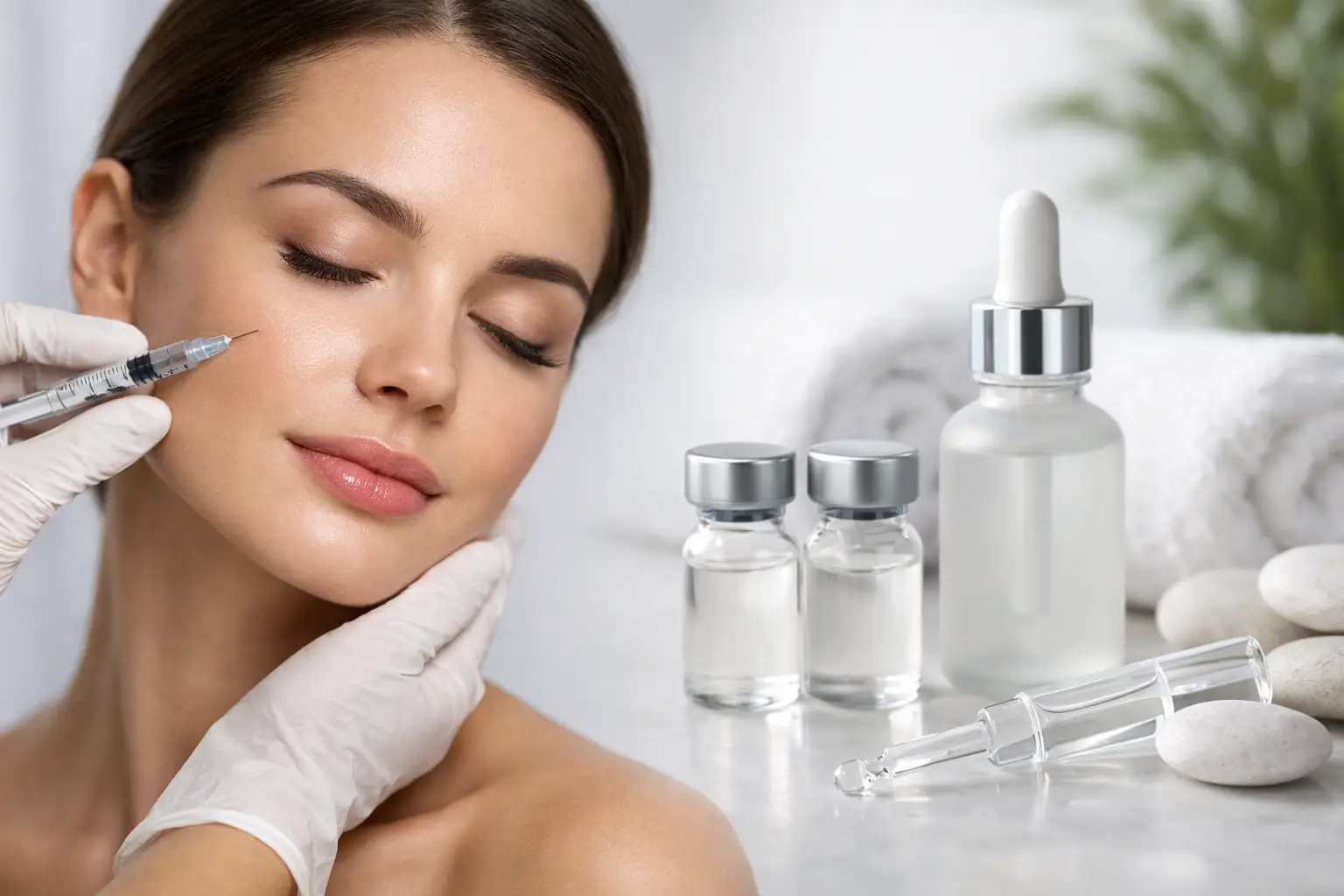
When clients ask about aesthetics Hadleigh fillers skin boosters 07904 727272, the question is rarely just about one treatment. It is usually about looking fresher without looking different, improving skin quality without heavy downtime, and choosing the right option with confidence. That is where a proper consultation matters, because fillers and skin boosters can both be effective, but they do very different jobs.
For some people, the concern is volume loss around the cheeks or mouth. For others, it is crepey skin, dehydration, dullness or fine lines that make the face look tired. These are not the same problem, so they should not be treated as though they are. A careful, medically informed approach starts with understanding what has changed in the skin and facial structure, then selecting treatment accordingly.
Aesthetics Hadleigh Fillers Skin Boosters 07904 727272 – what is the difference?
Dermal fillers are designed to restore or add structure. They are often used where the face has lost support over time, or where definition has softened. Common areas include the cheeks, jawline, chin, nasolabial folds and lips. The aim, when done well, is balance and subtle support rather than obvious volume.
Skin boosters work differently. They focus on skin quality rather than shape. Instead of lifting or contouring, they help improve hydration, texture and overall skin condition. They can be particularly useful where the skin looks tired, fine-lined or less elastic. Areas often treated include the face, neck, décolletage and hands.
This distinction matters. If someone has good facial structure but poor skin quality, filler may not solve the issue. Equally, if there is noticeable volume loss or reduced support through the mid-face, a skin booster alone may not create the result they are hoping for. In many cases, the best plan is staged treatment rather than trying to make one product do everything.
When fillers are the better choice
Fillers are generally most suitable when the concern is shape, support or proportion. Ageing affects bone, fat pads, ligaments and skin, so the face can look flatter or heavier even before lines become deep. Strategic filler placement can help restore a more rested appearance by supporting key areas rather than chasing every crease directly.
For example, treating the cheeks can soften the appearance of lower face heaviness without adding weight around the mouth. Chin and jawline filler may improve balance in profile, especially where the lower face lacks definition. Lip filler can refine shape and hydration, but the amount used should always suit the face as a whole.
There are trade-offs. Fillers can be excellent for structure, but they are not a substitute for healthy skin. If the skin itself is dull, lax or dehydrated, the result may still fall short unless skin quality is addressed as well. Good practice is not about doing more treatment. It is about choosing the right treatment for the right reason.
When skin boosters make more sense
Skin boosters are often a strong option for clients who want improvement without looking treated. They are especially helpful when the skin has become dehydrated, creased, less radiant or slightly lax. Rather than changing the shape of the face, they support the skin from within and can create a fresher, smoother finish over time.
This makes them popular with people who are new to injectables or cautious about anything that might alter their features. They can also complement a good skincare routine where home products alone are no longer enough to maintain firmness and glow.
Results are usually gradual rather than instant. That can be a benefit for clients who prefer subtle change, but it is still important to be realistic. Skin boosters improve quality. They do not replace lost volume in the cheeks, sharpen a jawline or create projection in the chin. If that is the goal, filler may be the more appropriate route.
Hadleigh fillers and skin boosters – choosing the right plan
The right treatment plan depends on your anatomy, your skin, your age-related changes and the result you want. There is no single answer that suits everyone, and that is exactly why consultation-led care is so important.
A younger client may choose a skin booster to maintain skin quality and address dehydration before lines become established. Another may want subtle lip or chin balancing with filler while keeping the rest of the face untouched. A client in their forties or fifties may benefit from combining gentle structural support with skin-focused treatment, especially if both volume loss and declining skin quality are present.
Lifestyle also plays a part. Busy professionals and parents often want treatments with manageable downtime and natural-looking outcomes. Some people are comfortable with gradual improvement over several sessions, while others want one focused treatment that targets a specific concern. Neither preference is wrong, but expectations should match the treatment being chosen.
It also depends on what should not be treated. Sometimes the safest and most honest advice is to wait, to treat a different area first, or to avoid adding product where it may create puffiness or imbalance. Ethical aesthetics is not about saying yes to every request.
What to expect from consultation and treatment
A proper consultation should cover more than your chosen area. It should review your medical history, previous treatment, allergies, current medication, skin condition and overall goals. It should also include a discussion of risks, expected results, longevity and aftercare.
If filler is being considered, facial movement, proportion and support should all be assessed. If a skin booster is being recommended, the practitioner should explain how many sessions may be needed and when results are likely to become visible. Honest timescales are part of safe treatment planning.
On the day, treatment should be carried out in a clean, well-prepared setting with appropriate aseptic technique and clear consent. A mobile service can still maintain high clinical standards when it is organised correctly, and many clients value being treated in a familiar, private environment where they feel at ease.
After treatment, some swelling, redness or tenderness can occur depending on the product and area. Bruising is also possible. This does not necessarily mean anything is wrong, but you should always receive tailored aftercare advice and know when to ask for review if needed.
Safety, subtlety and realistic results
The best aesthetic work is often the least obvious. Friends may notice that you look well rested or fresher, but not be able to identify why. That usually comes from restraint, thoughtful assessment and product choice that suits the individual rather than following a trend.
Safety sits alongside that subtlety. Fillers and skin boosters are medical treatments, even when the result appears soft and natural. Product quality, anatomy knowledge, emergency preparedness and proper consultation all matter. Price alone is not a reliable guide to value if those standards are missing.
It is also worth remembering that more product is not always better. A face can become overfilled when treatment is repeated without stepping back to reassess the whole picture. Equally, skin can be undertreated if the plan ignores hydration, collagen support or texture. Balance is the goal.
Which treatment gives the most natural result?
This is one of the most common questions, but it depends what is being corrected. If your main concern is tired, dehydrated skin, a skin booster may give the most natural result because it improves quality without changing shape. If your face has lost support or definition, carefully placed filler may actually look more natural than trying to rely on skin treatments alone.
Natural results do not come from avoiding treatment altogether. They come from matching the treatment to the concern and using the right amount in the right place. Sometimes that means starting conservatively and reviewing later rather than trying to achieve everything in one appointment.
For clients seeking discreet, personalised care, especially in London and Essex, convenience should never come at the expense of proper assessment and aftercare. A well-run mobile service can offer both, provided the focus remains on clinical judgement, safety and measured results.
If you are weighing up fillers versus skin boosters, the most useful starting point is not which treatment is more popular. It is asking what your face or skin is actually asking for, and choosing a plan that respects that.