
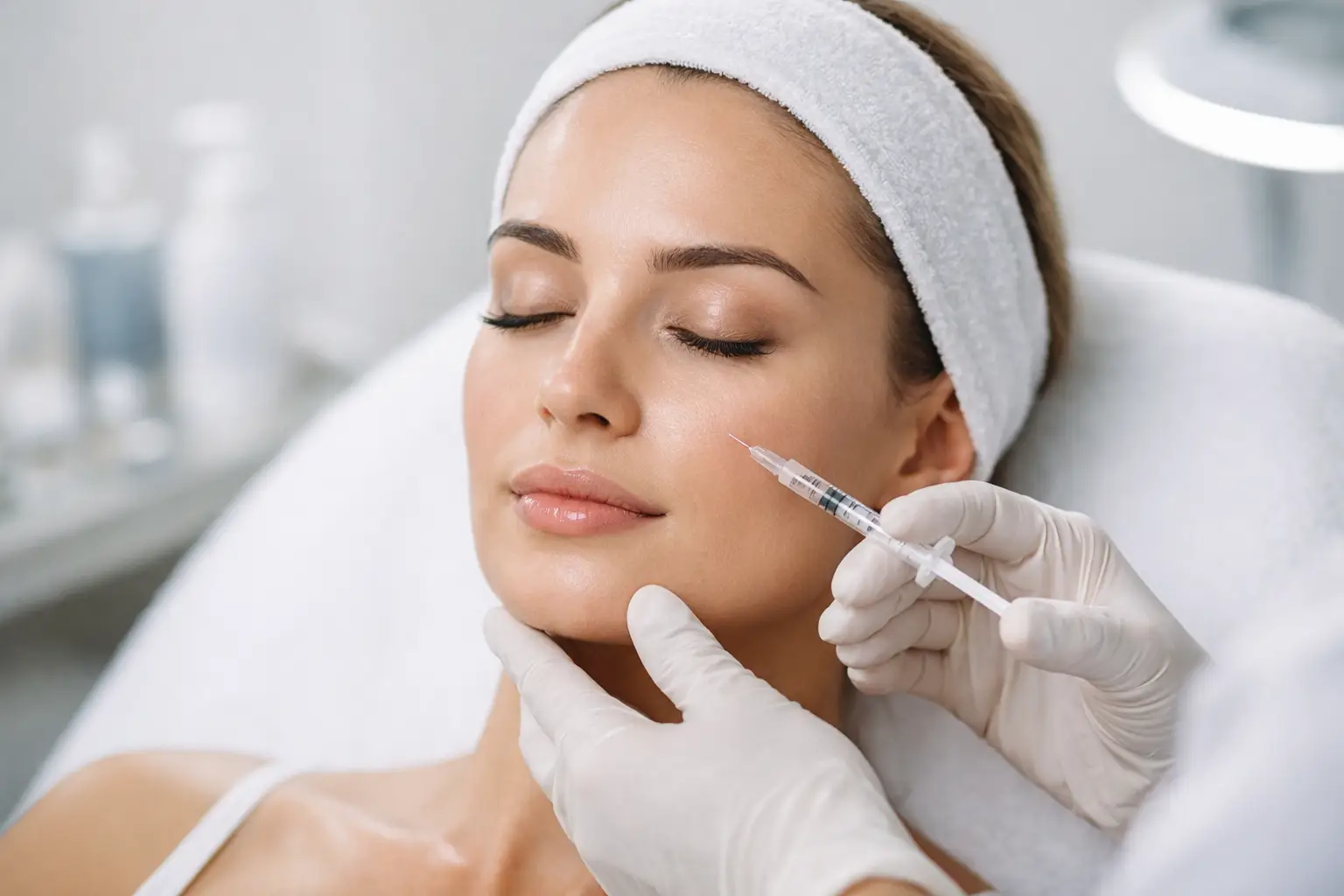
A good filler treatment should not be the first thing people notice about your face. They should notice that you look fresher, more rested, and still like yourself. That is why aesthetics Upminster dermal fillers are best approached as a medical treatment with aesthetic benefits, not a quick beauty trend.
For many clients, the decision is not simply about adding volume. It is about softening lines that make them look tired, restoring facial balance after natural volume loss, or refining features in a way that still feels subtle. The right treatment plan depends on your anatomy, your skin quality, your age-related changes and, just as importantly, how natural you want the result to look.
What aesthetics Upminster dermal fillers can treat
Dermal fillers are injectable gels, usually based on hyaluronic acid, used to restore lost volume, support facial structure and improve overall harmony. Hyaluronic acid occurs naturally in the body, which is one reason these fillers are widely used in aesthetic medicine. Different products have different thicknesses and behaviour in the tissue, so a treatment for lips is not the same as a treatment for cheeks or jawline.
In practice, fillers can be used in several ways. Some treatments replace volume that has reduced with age, particularly through the mid-face. Others sharpen or balance features, such as the chin or jawline. Fillers can also soften deeper folds around the nose and mouth, improve lip definition or address hollowness in selected areas.
That said, filler is not the answer to every concern. Fine lines caused mainly by muscle movement may respond better to lines and wrinkles treatment. Skin crepiness, dullness or dehydration may need skin boosters, polynucleotides or microneedling rather than added volume. A careful consultation matters because the best result often comes from choosing the right treatment, not the most popular one.
Common treatment areas for dermal fillers
Cheeks are one of the most requested areas because volume loss here can affect the whole face. When cheek support reduces, the face can appear flatter, heavier or more tired. Replacing structure in this area can create a subtle lift and improve facial proportions without making the face look overfilled.
Lips are another common request, but the aim is not always a larger lip. For many adults, the priority is better shape, hydration, border definition or correcting asymmetry. A restrained approach is often the most flattering, especially if you want your result to look refined rather than obvious.
Nasolabial folds and marionette lines can also be treated, though this is an area where experience matters. Directly filling folds may help in some cases, but in others the better option is to restore support higher in the face first. Treating the visible line without addressing the underlying cause can sometimes create a heavy result.
Jawline and chin filler can improve definition and profile balance. This may suit clients who feel their lower face lacks structure, or who want a more proportionate side profile. Under-eye treatment is more selective. Tear trough filler can look excellent in the right person, but not everyone is a suitable candidate, and this area requires cautious assessment.
Who is a good candidate?
The best candidates for dermal fillers are usually healthy adults with realistic expectations and a clear reason for treatment. They may have age-related volume loss, reduced definition or a specific feature they would like to balance. They also understand that subtle treatment often gives the best long-term result.
Suitability depends on more than the area you want to treat. Medical history, previous aesthetic work, allergies, current medications, skin condition and facial anatomy all influence whether treatment is appropriate. If you are pregnant, breastfeeding, have an active skin infection, or are unwell, treatment may need to be postponed.
It is also worth being honest about motivation. If you want to look like a filtered image, or if you are seeking a dramatic change from a small amount of product, fillers may not meet your expectations. A responsible practitioner should explain what is achievable and where the limits are.
What to expect from a consultation
A proper consultation should feel calm, thorough and tailored to you. It is the point where concerns, treatment options, risks and likely outcomes are discussed clearly. You should never feel rushed into treatment, particularly if it is your first time having injectables.
Your practitioner should assess your face as a whole rather than focusing only on one line or feature. The face ages in layers, and apparent problems in one area are often linked to changes elsewhere. A balanced plan can prevent the patchwork look that happens when individual areas are treated in isolation.
This is also when product choice, amount and placement are considered. More filler is not always better. In many cases, a conservative first appointment gives a safer and more elegant result than trying to achieve everything in one session. For clients who prefer privacy and convenience, a mobile service can make this process feel more comfortable, provided the same clinical standards, consent process and hygiene measures are maintained.
Safety matters more than trends
When people search for aesthetics Upminster dermal fillers, they are often comparing price, photos and availability. Those things matter, but they should not outweigh clinical judgement and safety. Fillers are prescription-led aesthetic treatments that need skill, anatomical knowledge and a careful approach.
Even when treatment is performed well, there are risks. Common short-term effects include swelling, redness, tenderness and bruising. These usually settle within a few days, though lips may take a little longer. Less common but more serious complications can include infection, persistent lumps, asymmetry and vascular occlusion, where filler affects blood supply. This is uncommon, but it is the reason training, product knowledge and emergency management protocols are so important.
A trustworthy practitioner will discuss risks in plain language, explain aftercare and know when not to treat. They should also be honest if another treatment would suit you better than filler. That level of restraint is often a sign of good practice.
Results and how long they last
Most dermal filler results are visible straight away, but the final appearance takes a little time. Initial swelling can make the area look fuller than it will once settled. A review period allows the product to integrate and gives a more accurate picture of the outcome.
Longevity varies depending on the product used, the area treated, your metabolism and movement in that area. Lip filler may break down more quickly than filler placed in the cheeks or jawline. As a broad guide, results often last between 6 and 18 months, but there is no single rule that applies to everyone.
The aim should not be to chase constant fullness. In many cases, maintenance works best when timed around natural fade and facial balance rather than strict top-up intervals. Over-treatment tends to happen when small changes are layered repeatedly without reassessment.
Aftercare and recovery
Recovery is usually straightforward, but a little planning helps. It is sensible to avoid intense exercise, alcohol, excessive heat and unnecessary pressure on the treated area for the first day or two. You may also be advised not to massage the area unless specifically instructed.
Bruising is not unusual, particularly around the lips. If you have an event coming up, allow enough time for swelling or bruising to settle. Most clients return to normal activities quickly, but social downtime varies by treatment area and by how your body responds.
Good aftercare is not only about the first 48 hours. It also includes knowing what is normal and what is not. If swelling becomes severe, skin changes colour, or pain increases rather than improves, you should seek advice promptly.
Why subtle treatment usually ages better
The most successful filler work is rarely obvious. It supports the face rather than changing its character. This matters because facial harmony is delicate. A treatment that looks striking in a close-up photo may not look balanced in everyday life.
Natural results are especially important for clients who want to look well cared for without advertising that they have had treatment. This is where a personalised plan makes the difference. One person may benefit from a small amount of cheek support and skin rejuvenation rather than direct treatment of lower-face folds. Another may suit lip hydration with improved definition rather than additional volume.
At London Essex Aesthetics, that measured approach is central to treatment planning. The goal is not to make every face fit the same standard, but to help each client look fresher and more balanced in a way that still feels like them.
If you are considering dermal fillers, choose a practitioner who is prepared to assess properly, explain honestly and treat conservatively. The best result is not the fullest result. It is the one that still feels comfortable when you catch your reflection in ordinary daylight.