
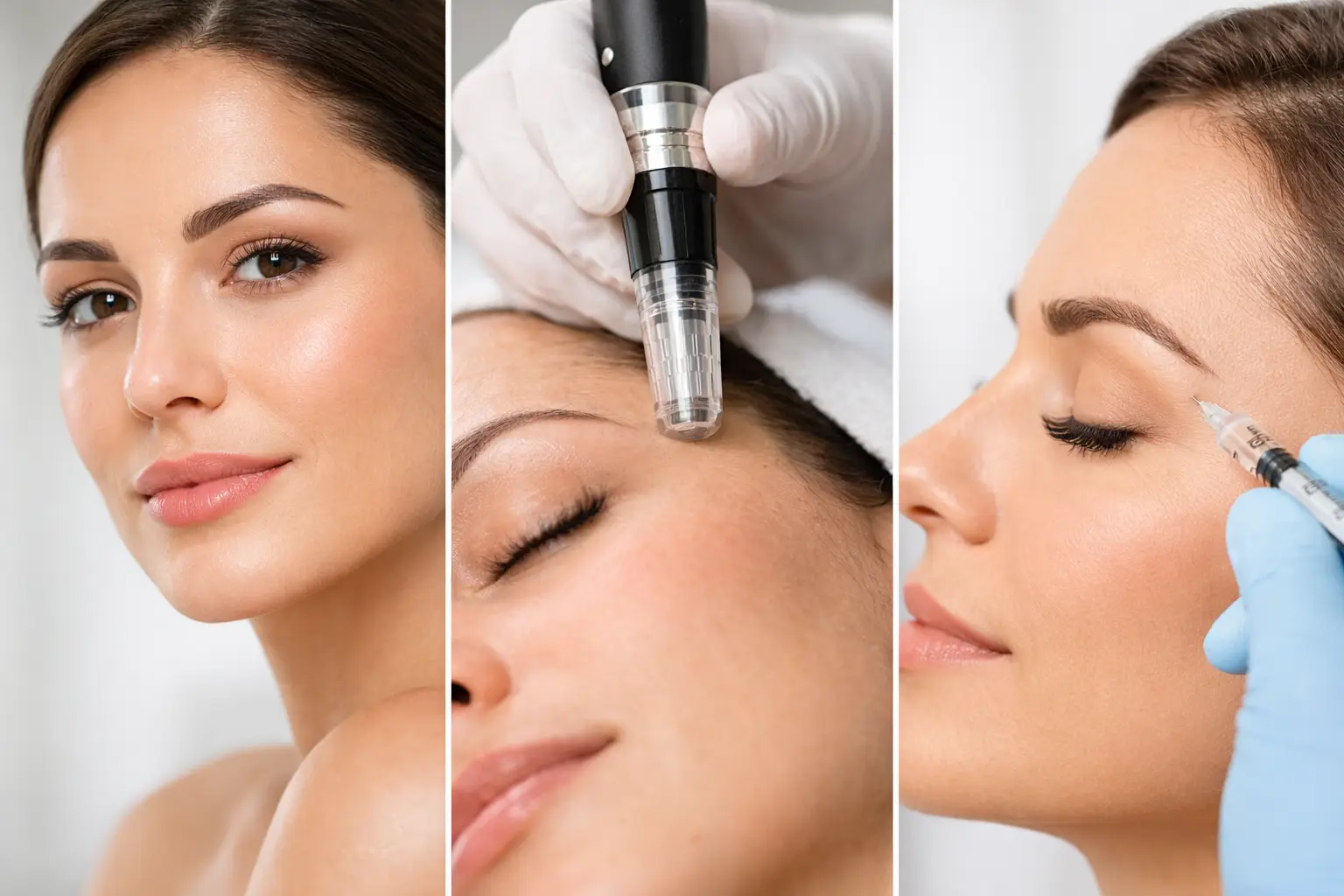
You do not need to choose aesthetic treatment based on what is popular this month. Most clients want something much simpler – clearer skin, softer lines, and a fresher appearance that still looks like them. That is exactly why aesthetics Ongar microneedling Botox explained properly matters. When you understand what each treatment actually does, it becomes much easier to choose what suits your skin, your goals and your timetable.
Microneedling and Botox are often mentioned in the same conversation, but they are not interchangeable. They treat different concerns, work in different ways and suit different stages of the ageing process. One improves skin quality by stimulating repair. The other relaxes targeted facial muscles to soften expression lines. Both can be effective, but only when chosen for the right reason.
Aesthetics Ongar microneedling Botox explained simply
If you strip away the jargon, microneedling is a collagen-stimulating skin treatment. A device with very fine needles creates controlled micro-injuries in the skin, which encourages the natural healing response. Over time, this can improve texture, reduce the appearance of acne scarring, soften fine lines and give the skin a smoother, brighter look.
Botox is a prescription-only medicine used to reduce muscle movement in selected areas of the face. It is commonly used for lines on the forehead, frown lines between the brows and crow’s feet around the eyes. By relaxing repeated muscle movement, the skin above those muscles can look smoother and more rested.
That distinction matters. If your main concern is movement-related lines, microneedling will not replace Botox. If your concern is dullness, uneven texture or mild scarring, Botox will not improve the surface quality of the skin. In many cases, the right answer is not one or the other. It is a personalised plan based on what is actually causing the concern.
What microneedling is best for
Microneedling is often a good option for clients who want overall skin improvement rather than a dramatic change to facial shape or movement. It is particularly useful when the skin feels tired, rough, congested or marked by old blemishes. It can also be helpful for those starting to notice early signs of ageing but who are not yet ready for injectables.
The treatment works by encouraging collagen and elastin production. That process takes time, so results are not instant in the way some injectable treatments can be. Skin usually looks fresher as it heals, but the more meaningful improvement develops gradually over a course of treatment.
It can be a strong choice for concerns such as enlarged pores, mild acne scarring, uneven skin tone, fine crepey lines and general loss of radiance. It is less suitable if you want to stop a strong frown line from appearing when you make expressions, because that is a muscle issue rather than a skin texture issue.
Another point worth understanding is downtime. Microneedling can leave the skin red for a short period, often similar to moderate sun exposure. Some clients experience mild tightness or flaking afterwards. For many people, that is manageable, but it is still something to plan around if you have a social event or important meeting the next day.
What Botox is best for
Botox is best known for treating dynamic lines – the lines created by repeated facial movement. These include forehead lines when you raise your brows, the vertical frown lines that deepen when you concentrate, and crow’s feet that appear when you smile.
When these movements are softened with carefully placed Botox, the face can look more relaxed and refreshed. The key word is carefully. Good Botox should not make someone look frozen or unlike themselves. The aim for most clients is a natural result where they still look expressive, just less lined and less tired.
Results are not immediate. It usually takes several days to begin noticing a change, with the full effect developing over around two weeks. The result is temporary, which many clients see as a benefit because treatment can be adjusted over time depending on facial anatomy, preferences and response.
Botox is not a filler and it does not add volume. If someone is concerned about deeper folds, hollowing or skin laxity, Botox may only address part of the issue. This is where consultation matters. A medically informed practitioner should explain when Botox is appropriate and when another treatment, or a combination approach, would make more sense.
Microneedling or Botox – which should you choose?
This depends less on age than people assume, and more on the type of concern you are trying to treat. A younger client with post-acne texture may benefit far more from microneedling than Botox. A client with smooth skin but strong forehead movement may see the best outcome from Botox. Someone else may benefit from both, because skin quality and muscle movement often need addressing separately.
It also depends on your preferred pace of change. Microneedling tends to build gradually and often works best as a course. Botox gives a more targeted result within a shorter window, though it requires maintenance if you want the effect to continue.
Budget, tolerance for downtime and timing all play a part too. If you want visible improvement in expression lines before an event, Botox may be the more practical option. If your aim is long-term skin quality and you are willing to commit to a treatment plan, microneedling may offer better value for that specific concern.
The safest choice is rarely the treatment you have seen recommended on social media. It is the treatment that matches your skin, your facial movement, your medical history and your expectations.
Can microneedling and Botox be combined?
Yes, in the right treatment plan they can work very well together because they address different things. Botox can reduce the repeated movement that creases the skin, while microneedling supports the skin itself by improving texture and encouraging collagen production.
This combination can be useful for clients who want a fresher overall appearance rather than one isolated correction. For example, if someone has forehead lines from movement but also dullness and uneven skin quality, using both treatments at appropriate intervals may create a more balanced result than relying on just one.
Timing matters. These are not usually treatments to have casually layered together without planning. A proper consultation should cover treatment order, spacing, skin condition, any active breakouts or irritation, and how to manage aftercare. Safe practice is always more important than speed.
What to expect from a proper consultation
A good consultation should feel calm, clear and honest. You should not feel pushed towards the most expensive treatment or a treatment you do not fully understand. Instead, the discussion should focus on your concerns, what you have noticed in the mirror, what has and has not worked before, and whether your expectations are realistic.
For microneedling, your practitioner should assess skin condition, sensitivity, inflammation and any reasons treatment may need to be postponed. For Botox, they should assess facial anatomy, muscle movement, medical suitability and the outcome you want. If a treatment is unlikely to give you the result you are hoping for, that should be said clearly.
This is especially important in a mobile aesthetics setting. Convenience should never reduce clinical standards. Treatments delivered at home should still be consultation-led, carefully assessed and supported with clear aftercare. For many clients across London and Essex, that combination of privacy, flexibility and professional oversight is exactly what makes aesthetic treatment feel more approachable.
Safety, aftercare and realistic expectations
The most satisfying aesthetic results are usually the least obvious. Skin looks healthier. Lines look softer. The face looks rested, not altered. That comes from choosing the right treatment and respecting the process rather than expecting one appointment to do everything.
Aftercare matters more than many people realise. With microneedling, skin needs time, protection and the right products while it recovers. With Botox, following aftercare advice supports the treatment settling as intended. In both cases, choosing a qualified practitioner and being honest about your medical history is part of protecting your result.
It is also worth remembering that not every concern should be treated immediately. Sometimes the best advice is to wait, to improve skincare first, or to choose a different approach. Honest aesthetics is not about doing more. It is about doing what is appropriate.
If you have been weighing up microneedling and Botox, start by asking a better question than which one is best. Ask which one is best for your skin, your facial movement and the result you want to see a few weeks from now when you catch your reflection and simply look well.