
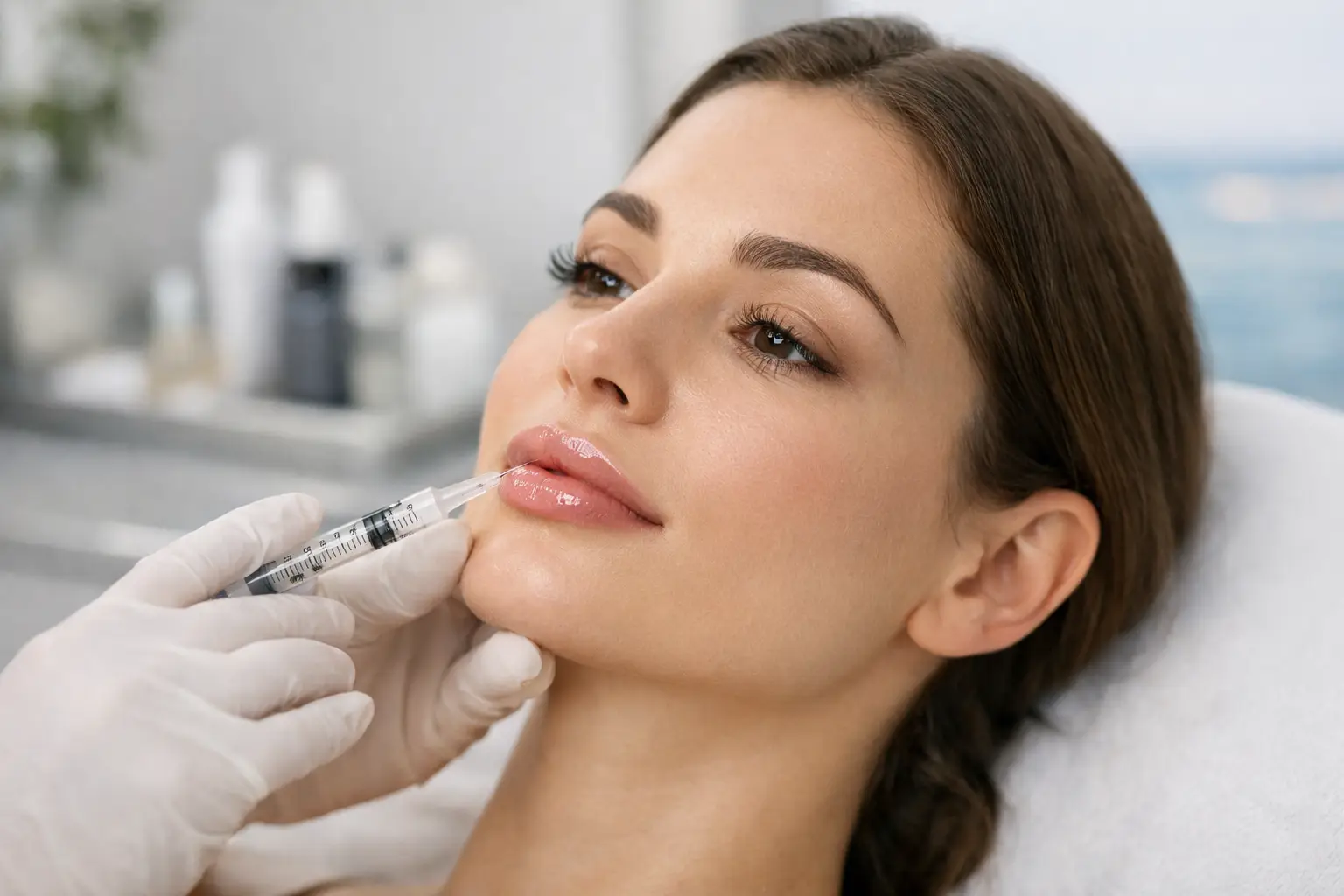
Fuller lips can look beautiful, but for most clients that is not really the point. What they usually want is shape, balance and softness – not a result that announces itself before they do. That is why aesthetics Leigh-on-Sea lip fillers explained properly should start with expectations, not syringes. Good lip filler treatment is not about making every lip larger. It is about understanding your natural anatomy, your facial proportions and the kind of result you will still feel comfortable wearing every day.
What lip fillers are actually designed to do
Lip fillers are usually made from hyaluronic acid, a substance that is already found naturally in the body. In aesthetic treatment, this gel is placed carefully into specific parts of the lips to improve volume, definition, hydration or symmetry. The right product and technique depend on the individual rather than a one-size-fits-all trend.
For some clients, the goal is a little more fullness in the body of the lip. For others, it is better border definition, support at the cupid’s bow, correction of unevenness or restoring volume that has reduced with age. Lips can also appear thinner over time as collagen levels change and the area loses structure. In those cases, filler may be used in a subtle restorative way rather than to create a noticeably larger lip.
This is often where expectations need to be reset. Lip filler is not simply a beauty add-on. Done well, it is a tailored treatment that should respect your features and move naturally with your face.
Aesthetics Leigh-on-Sea lip fillers explained by outcome, not trend
The most common misconception about lip filler is that more product means a better result. In reality, the best outcomes are usually the ones that look proportionate and settle well. A medically led approach focuses on lip shape, tissue quality and facial balance before deciding whether filler is appropriate at all.
If you have naturally petite lips, trying to create dramatic volume in one appointment can place too much pressure on the tissue and increase the risk of migration or an unnatural shape. A gradual approach is often safer and more flattering. Equally, if your main concern is dryness or creasing, a small amount placed strategically may be more effective than adding volume everywhere.
Trends can push people towards a look that does not suit their features. A responsible practitioner will talk honestly about what can be achieved, where the limits are and when less is likely to give the better result.
Common reasons people choose lip filler
Most clients do not come in asking for the same thing. Some want a fresher, more hydrated appearance. Some want to replace volume they feel they have lost. Others have always felt their upper lip disappears when they smile, or they are bothered by asymmetry in photographs.
Lip filler may be suitable if you would like to improve shape, add gentle fullness, define the lip border or soften age-related changes around the mouth. It may be less suitable if you are looking for a dramatic change that your natural lip structure cannot support, or if you have medical factors that need further discussion before treatment.
What happens before treatment
A proper consultation matters just as much as the injection itself. This is the stage where your practitioner assesses your lip anatomy, checks your medical history, discusses previous filler if you have had any, and talks through what kind of result you want. Photos may be taken for comparison, and you should be given clear information about likely outcomes, possible side effects and aftercare.
This is also the moment to discuss whether your desired result is realistic. In some cases, the best plan may be a conservative first treatment and review once the filler has settled. In others, your practitioner may advise against treatment that day. That is not a sales obstacle. It is part of safe, ethical care.
For clients who value privacy and convenience, having this consultation-led experience in a calm home setting can make the process feel much more comfortable, provided the same clinical standards are followed.
During the appointment
Most lip filler appointments are relatively straightforward, but they should never feel rushed. The lips are cleaned thoroughly, and the filler used often contains lidocaine to improve comfort. Some practitioners also use topical numbing cream, although sensitivity varies from person to person.
Small amounts of filler are then placed with care into planned areas of the lips. The technique used will depend on whether the aim is volume, border definition, structure or correction of asymmetry. You may notice slight pinching, pressure or stinging, but treatment is generally well tolerated.
An appointment includes more than the injection stage. Assessment, consent, product selection, discussion and aftercare are all part of the process. If those elements are missing, that is a concern.
How long it takes to see the final result
You will see a result immediately, but that is not the final outcome. Swelling is common, especially in the first 24 to 72 hours, and some bruising can occur. Lips may feel firmer at first and can look slightly uneven while swelling settles.
Most clients have a better sense of the true result after around two weeks. That is why any review or decision about additional filler is usually best left until then. Judging the treatment on day one rarely gives an accurate picture.
Safety, side effects and why practitioner choice matters
Lip fillers are popular, but they are still a medical aesthetic treatment. The area is vascular, the tissue is delicate and there are real risks if treatment is not carried out properly. Most side effects are mild and temporary, such as swelling, tenderness, redness and bruising. These usually settle within a few days.
More serious complications are uncommon, but they do exist. These include infection, filler migration, lumps, prolonged swelling and vascular compromise. This is exactly why practitioner knowledge, sterile technique, product choice and emergency preparedness matter.
A safe practitioner will take a full history, explain risks clearly, know when not to treat and provide proper aftercare guidance. They should also have a plan in place to manage complications if they occur. Reassurance should come from competence, not from pretending there are no risks.
How to keep lip filler looking natural
Natural-looking lips usually come down to restraint, anatomy and honest planning. The shape of your lips, the distance between your nose and upper lip, the support from surrounding tissue and the movement of your smile all influence what will look balanced.
Overfilling often happens when treatment is repeated too quickly or when swelling is mistaken for a need for more product. It can also happen when the lip border is pushed beyond what the tissue can hold. A better approach is to build carefully, review properly and accept that not every lip should be treated in the same way.
In practice, natural results often mean keeping definition soft, maintaining harmony between the top and bottom lip, and avoiding a heavy or rigid appearance. For many clients, the best compliment is not “Have you had filler?” but “You look well”.
Aftercare and recovery
After treatment, simple aftercare helps minimise irritation and supports healing. You will usually be advised to avoid touching the area unnecessarily, intense exercise for the rest of the day, excessive heat, alcohol immediately afterwards and applying pressure to the lips. Makeup on the area may need to wait for a short period depending on the advice you are given.
Minor swelling and bruising are normal. Sleeping slightly elevated on the first night can help, and cold compresses may be recommended if used gently. If you notice increasing pain, unusual blanching, worsening discolouration or anything that does not feel right, you should contact your practitioner promptly.
Good aftercare is not an extra. It is part of the treatment.
Is lip filler right for you?
That depends on your goals. If you want subtle enhancement, improved symmetry or gentle restoration, lip filler can be an effective option. If you want a dramatic result that does not fit your anatomy, a responsible practitioner should say so. The right treatment is not always the biggest treatment.
At London Essex Aesthetics, the focus is on consultation-led care, natural outcomes and treatment plans built around the individual rather than the trend. For clients considering lip filler, that kind of honesty matters.
The best place to start is with a clear conversation about what you want, what your lips can support and what result will still feel like you when the swelling has settled.