
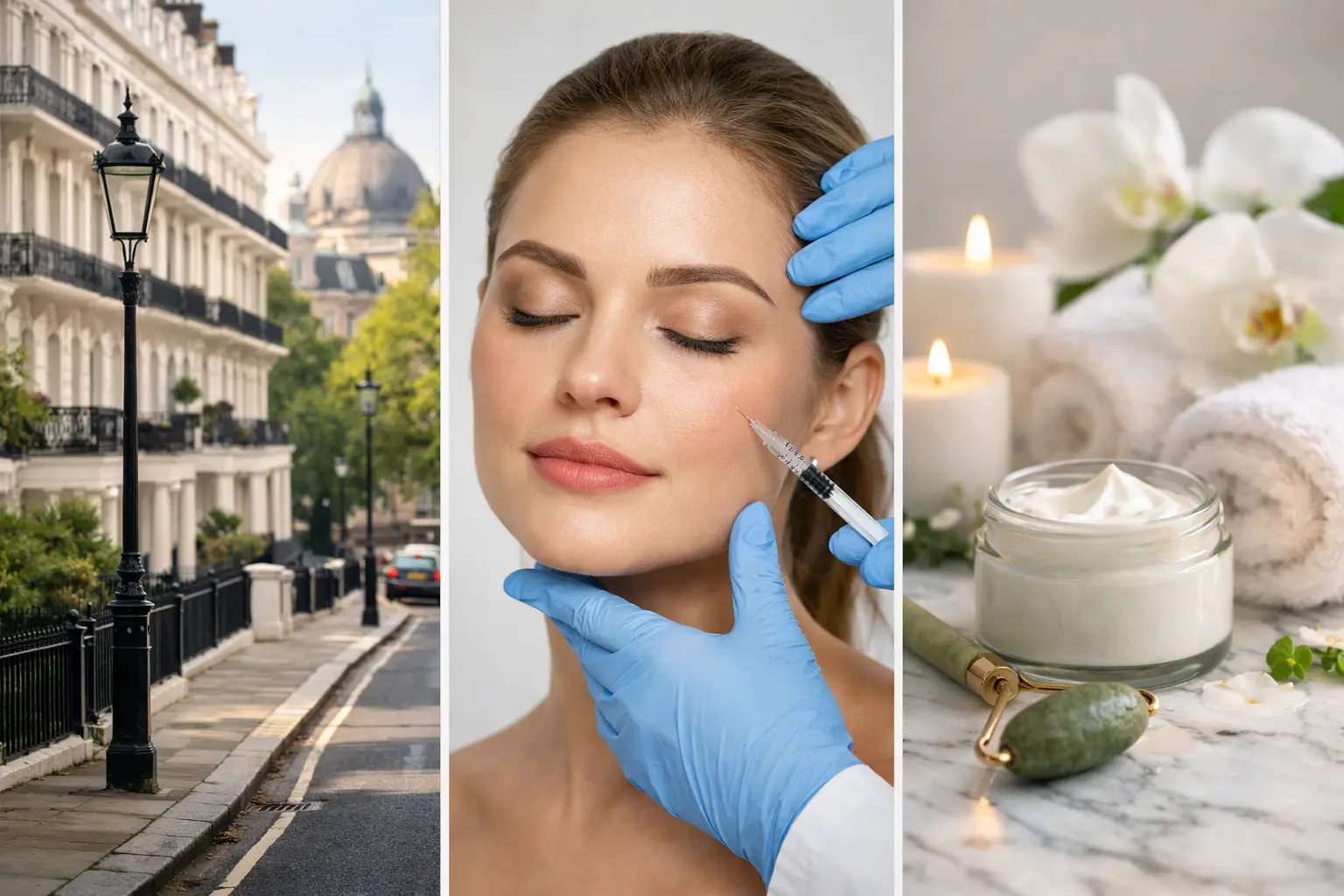
If you are researching aesthetics Kensington and Chelsea Profhilo polynucleotides fillers, the main question is rarely which treatment is best overall. It is which treatment is best for your face, your skin quality and the result you want to see in the mirror. That distinction matters, because these treatments do different jobs, and the right plan is often more tailored than many people expect.
In practice, people usually come in with one of three concerns. They feel they look tired even when they are well rested. Their skin looks thinner, duller or less firm than it used to. Or they have noticed changes in facial shape, such as loss of cheek support, softening around the jawline or lines that remain visible at rest. Profhilo, polynucleotides and fillers can all help, but they are not interchangeable.
Aesthetics Kensington and Chelsea – what each treatment actually does
A good consultation starts by separating skin quality from volume loss. If that is not done properly, it is easy to choose a treatment that sounds popular but does not address the real issue.
Profhilo is a skin remodelling treatment made with high concentrations of hyaluronic acid. It is not a filler in the usual sense because it is not designed to create structure or add shape. Instead, it spreads within the tissue to improve hydration, skin texture and overall firmness. It tends to suit clients who say their skin looks crepey, tired or less bouncy, particularly around the lower face, cheeks and neck.
Polynucleotides work differently. These are regenerative injectables that support tissue repair and skin quality at a cellular level. They are often chosen when the concern is fragile skin, under-eye crepiness, inflammation, poor texture or skin that needs repair rather than simply hydration. In the right client, polynucleotides can be especially useful where the skin is delicate and traditional filler would be the wrong approach.
Fillers are designed to restore volume, structure and contour. If the face has lost support through the cheeks, temples, chin, jawline or around the mouth, filler may be the most direct treatment. When used well, the goal is not to make someone look different. It is to restore balance and soften signs of ageing in a way that still looks like them.
Profhilo, polynucleotides and fillers – choosing the right fit
This is where honest assessment matters more than trend-led treatment. Someone with dehydrated, slack skin but good facial structure may benefit more from Profhilo than filler. Someone with hollowing or a loss of support may find that skin boosters alone leave them underwhelmed. And someone with crepey under-eye skin may be a far better candidate for polynucleotides than tear trough filler.
Age is only one part of the picture. Skin thickness, lifestyle, previous treatments, sun exposure and how expressive the face is all influence the recommendation. Two people of the same age can need completely different plans.
There is also the question of pace. Profhilo and polynucleotides tend to work gradually. The skin improves over a series of appointments and continues to settle over time. Fillers often give a more immediate structural change, although final results still need time for swelling to settle. For some clients, that gradual improvement feels more comfortable. For others, a subtle but visible restoration of support is exactly what they want.
When Profhilo tends to be the better option
Profhilo is often a strong choice when the face is not especially hollow but the skin has lost freshness. Clients commonly describe their skin as dull, slightly lax or less smooth than it once was. They may not want added volume. They simply want the skin to look healthier and better hydrated.
It can be particularly useful for the lower face, cheeks, neck and sometimes the hands. The finish is usually soft and understated. If someone is hoping for lifted cheeks or sharper contour, however, Profhilo on its own may not be enough.
When polynucleotides make more sense
Polynucleotides are often suited to clients who want regenerative support, especially in areas where skin quality is the main issue. The under-eye area is one of the most common examples. If the problem is fine lines, thin skin or a tired texture, polynucleotides may be more appropriate than placing volume where it is not needed.
They can also work well for clients who have reactive or stressed skin, or who want a treatment plan that focuses on repair. Results are not instant, and that is worth being clear about. This is a treatment for improvement over time rather than a quick fix.
When filler is the right answer
Filler is most useful when support has been lost. That may show as flatter cheeks, deeper nasolabial folds, marionette lines, lip changes or reduced definition along the jawline or chin. In these cases, trying to treat volume loss with skin boosters alone can be disappointing.
The key is placement and restraint. Well-planned filler should support the face, not sit heavily within it. For clients who are worried about looking overfilled, that usually comes down to technique, product choice and a willingness to treat conservatively.
Why combination treatment is often the best plan
The face rarely ages in one way only. A client may have both mild volume loss and a decline in skin quality. In that case, it can be more effective to combine treatments rather than expect one product to do everything.
For example, filler might restore support through the mid-face while Profhilo improves hydration and elasticity. Polynucleotides may be used around the eyes while filler is placed elsewhere for balance. This approach is often what creates the most natural result, because each treatment is used for the job it does best.
That does not mean more treatment is always better. Sometimes the most sensible plan is to start with one treatment, allow it to settle, then reassess. A careful, staged approach usually gives a more refined outcome than trying to do too much in one appointment.
What to expect from a consultation in aesthetics Kensington and Chelsea
A consultation should feel clear, not pressured. You should leave knowing what is being recommended, why it is being recommended, what alternatives exist and what the likely limitations are.
This includes discussing medical history, previous treatments, allergies, skin condition and your tolerance for downtime. It should also include a frank conversation about expectations. If someone wants dramatic lifting from a treatment designed mainly for hydration, that mismatch needs to be addressed before treatment starts.
For clients who value privacy and convenience, a mobile service can make this process feel more comfortable. London Essex Aesthetics provides consultation-led treatment in your home or chosen setting, which can suit busy professionals and parents who want discretion without compromising on clinical standards.
Safety, subtlety and the value of saying no
In aesthetics, a responsible plan sometimes means advising against treatment, postponing it or choosing a different option. That is not a barrier to good results. It is part of achieving them safely.
Every injectable carries considerations such as bruising, swelling, tenderness and the need for appropriate aftercare. Fillers in particular require strong anatomical knowledge and careful product selection. Profhilo and polynucleotides also need proper assessment, even though the end result may appear softer or less structural.
Subtle work is often the hardest to do well because it relies on judgement. The aim is to notice the face as a whole, not chase isolated lines or compare your features to somebody else’s. Good aesthetics should leave you looking fresher, not treated.
The best treatment choice depends on what is actually changing. If your concern is dehydration and loss of skin quality, Profhilo may be the right place to start. If the issue is repair, delicate skin or the under-eye area, polynucleotides may offer a better route. If support and contour have reduced over time, filler may be the treatment that makes the real difference. The value lies in matching the treatment to the concern, then building a plan that respects your features, your lifestyle and the kind of result you will still feel comfortable with months later.