
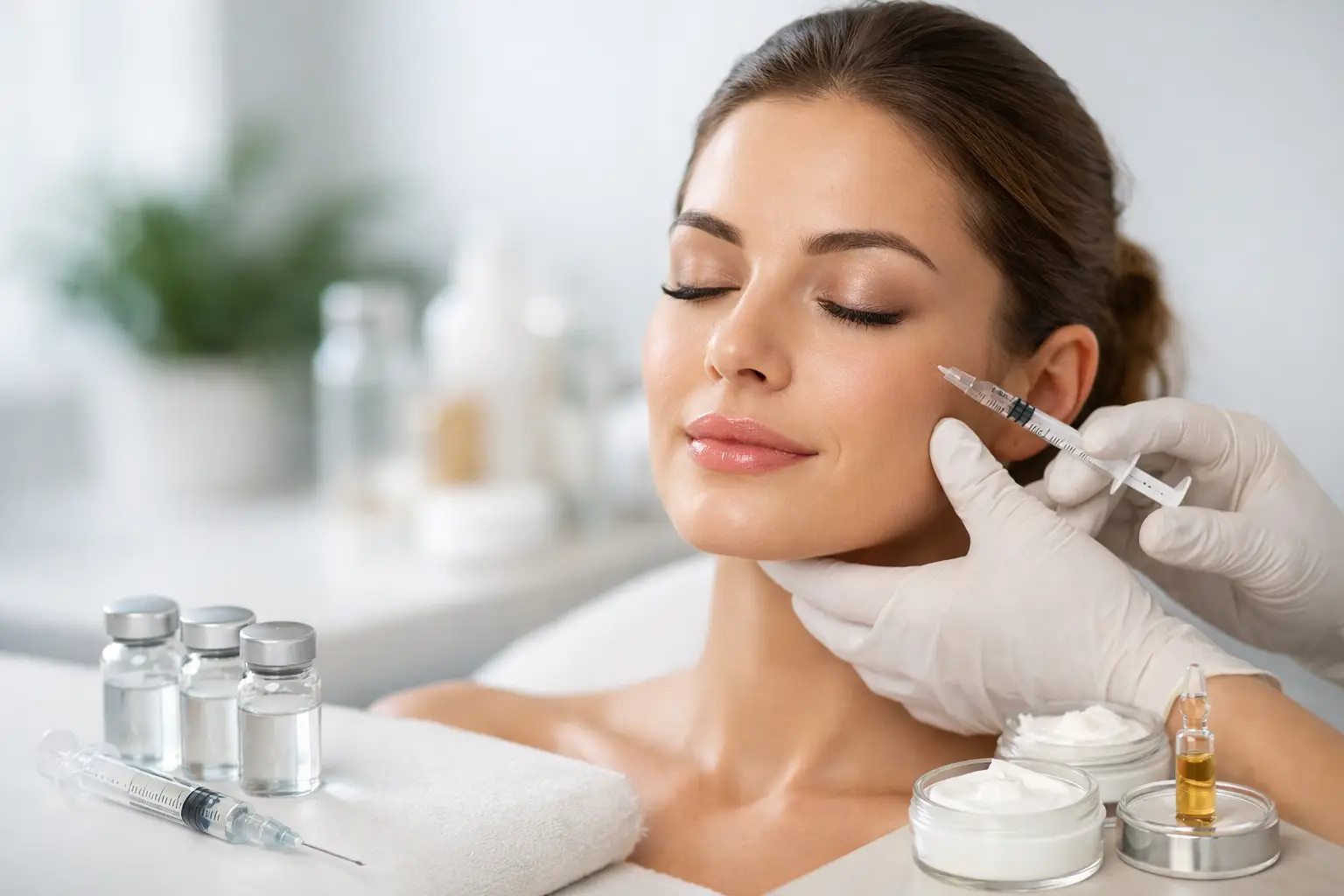
A good aesthetic treatment should not make you look like someone else. It should help you look fresher, better rested and more like yourself. That is why conversations around aesthetics Braintree-dermal fillers-polynucleotides-skin boosters are less about following trends and more about choosing the right treatment for the concern in front of you.
For some people, that concern is volume loss through the cheeks or around the mouth. For others, it is crepey skin under the eyes, dullness, dehydration or a general sense that the skin has lost its quality. These are not all solved in the same way, and one of the most common reasons clients feel overwhelmed is that several treatments can sound similar while doing very different jobs.
Aesthetics Braintree: dermal fillers, polynucleotides and skin boosters
Dermal fillers, polynucleotides and skin boosters all sit within modern non-surgical aesthetics, but they are not interchangeable. They can sometimes complement each other, yet each has a different purpose, different texture within the skin and a different end result.
Dermal fillers are primarily used to restore structure, replace lost volume and refine facial balance. If the cheeks have flattened, the chin lacks projection or the lips need subtle definition, filler may be appropriate. The aim should be proportion and support, not obvious change.
Polynucleotides work differently. Rather than adding volume, they are used to support skin quality and regeneration. They are often chosen where the skin appears tired, fragile or thin, particularly around delicate areas such as the under-eye region. Clients who want improvement in texture and overall skin condition, without creating fullness, are often better suited to this route.
Skin boosters are designed to improve hydration, luminosity and smoothness. They can be very effective for skin that feels dull, dehydrated or slightly creased. Instead of reshaping the face, they help the skin behave more like healthier skin.
That distinction matters. If you want lift and contour, a skin booster will not replace filler. If your concern is thin, tired-looking skin, filler may not be the best first answer. Choosing well starts with being clear about whether the issue is shape, skin quality or hydration.
What dermal fillers are best for
Dermal fillers are usually based on hyaluronic acid and are placed strategically to support areas that have lost definition or volume. In the right hands, they can soften folds, improve profile balance and restore a more rested appearance.
Common treatment areas include the cheeks, chin, jawline, lips and nasolabial folds. In some cases, filler can also support the lower face where age-related change has reduced structure. The key point is that good filler work should be led by anatomy, assessment and restraint.
There are trade-offs. Filler gives visible structural change more quickly than regenerative treatments, but that also means it must be planned carefully. Too much product, poor placement or treating the wrong concern can leave results looking heavy rather than refreshed. For that reason, not every hollow or line should be filled. Sometimes the skin needs support, not volume.
For clients who prefer natural results, less is often more. A gradual approach allows the face to remain balanced and avoids chasing an overly corrected look. It also gives space to assess whether another treatment category would support the result better.
When filler may not be the first choice
If the main issue is poor skin texture, crepiness or dehydration, filler may not address the root cause. The under-eye area is a good example. While some people may be suitable for tear trough filler, others will benefit more from polynucleotides because the problem is skin quality rather than hollowing alone.
Equally, if someone wants brighter, smoother skin across the face, neck or décolletage, skin boosters may be a more sensible place to start. A consultation should separate what the mirror is showing from what treatment is actually needed.
Where polynucleotides fit into a treatment plan
Polynucleotides have grown in popularity for a reason. They appeal to clients who want improvement that looks real and gradual rather than instantly obvious. They are commonly used to support tissue repair, improve elasticity and enhance the overall condition of the skin.
This makes them particularly useful in areas where the skin is delicate or beginning to look creased and fatigued. Under the eyes is one of the most requested zones, but they can also be used on the face, neck and other areas where skin quality is the main concern.
Results are not usually about dramatic change after one appointment. Polynucleotides are better understood as part of a course, with improvement building over time. That suits clients who value subtlety, but it does require patience. If someone wants immediate contour or projection, filler is likely to be more appropriate.
There is also a practical benefit to this type of treatment for people who are cautious about looking overdone. Because polynucleotides do not create volume in the way filler does, they can be a reassuring option for clients who want refreshed skin without changing their facial shape.
How skin boosters improve hydration and glow
Skin boosters are often misunderstood as a lighter version of filler. They are not. Their main role is to improve hydration within the skin and support a smoother, healthier-looking surface.
This can be especially helpful if the skin looks tired, flat or dehydrated, or if fine lines are more noticeable because the skin lacks moisture and bounce. Skin boosters are often used on the face, neck, hands and décolletage, where better hydration can make a visible difference to skin quality.
The appeal is that results can look very natural. The skin tends to appear fresher and more luminous rather than altered. For busy clients who want to look well cared for but not obviously treated, that can be exactly the right outcome.
That said, skin boosters have limits. They do not replace volume in the cheeks, define the jawline or add projection to the chin. If structural support is needed, filler may still have a role. Sometimes the most effective plan combines treatments, but only when each one has a clear purpose.
Choosing between fillers, polynucleotides and skin boosters
The best treatment is not the newest one or the one a friend has had. It depends on the concern, the area being treated, your skin quality and the result you want.
If your face has lost shape or support, dermal filler may be the most direct option. If the skin itself looks thin, tired or fragile, polynucleotides may be more suitable. If dehydration, dullness and fine surface lines are the main problem, skin boosters often make more sense.
In practice, many clients present with more than one issue. A person may have mild mid-face volume loss and dehydrated skin at the same time. Another may have under-eye crepiness but no true hollowing. This is why consultation-led care matters. A treatment should fit the face in front of the practitioner, not a standard package.
Why a home-based consultation can still be clinical and thorough
For clients who prefer privacy and convenience, mobile aesthetics can offer a more comfortable experience without lowering standards. The setting may be your home, but the decision-making should remain structured, careful and medically informed.
That means discussing medical history, suitability, treatment goals, likely outcomes, risks, downtime and aftercare before any product is used. It also means being honest when a treatment is not appropriate, or when a slower plan will give a better result.
For many adults balancing work, family life and existing commitments, being able to receive aesthetic care in a familiar environment removes a practical barrier. It can also make the process feel calmer, particularly for first-time clients who may feel uneasy in a busy clinic setting.
What good results should look like
Across all three treatments, the aim should be refinement rather than obvious intervention. Good dermal filler should restore balance, not create puffiness. Good polynucleotide treatment should improve skin quality without making the face look treated. Good skin boosters should leave the skin looking healthier, not artificially shiny or overworked.
The right practitioner will explain where results are likely to be subtle, where a course is needed and where maintenance may be sensible. They should also explain what the treatment cannot do. That honesty is part of safe practice, and it helps clients invest in the right option from the start.
If you are weighing up dermal fillers, polynucleotides or skin boosters, the best place to begin is not with a trend but with a proper assessment. When the treatment matches the concern, the result is usually quieter, better balanced and far more convincing.