
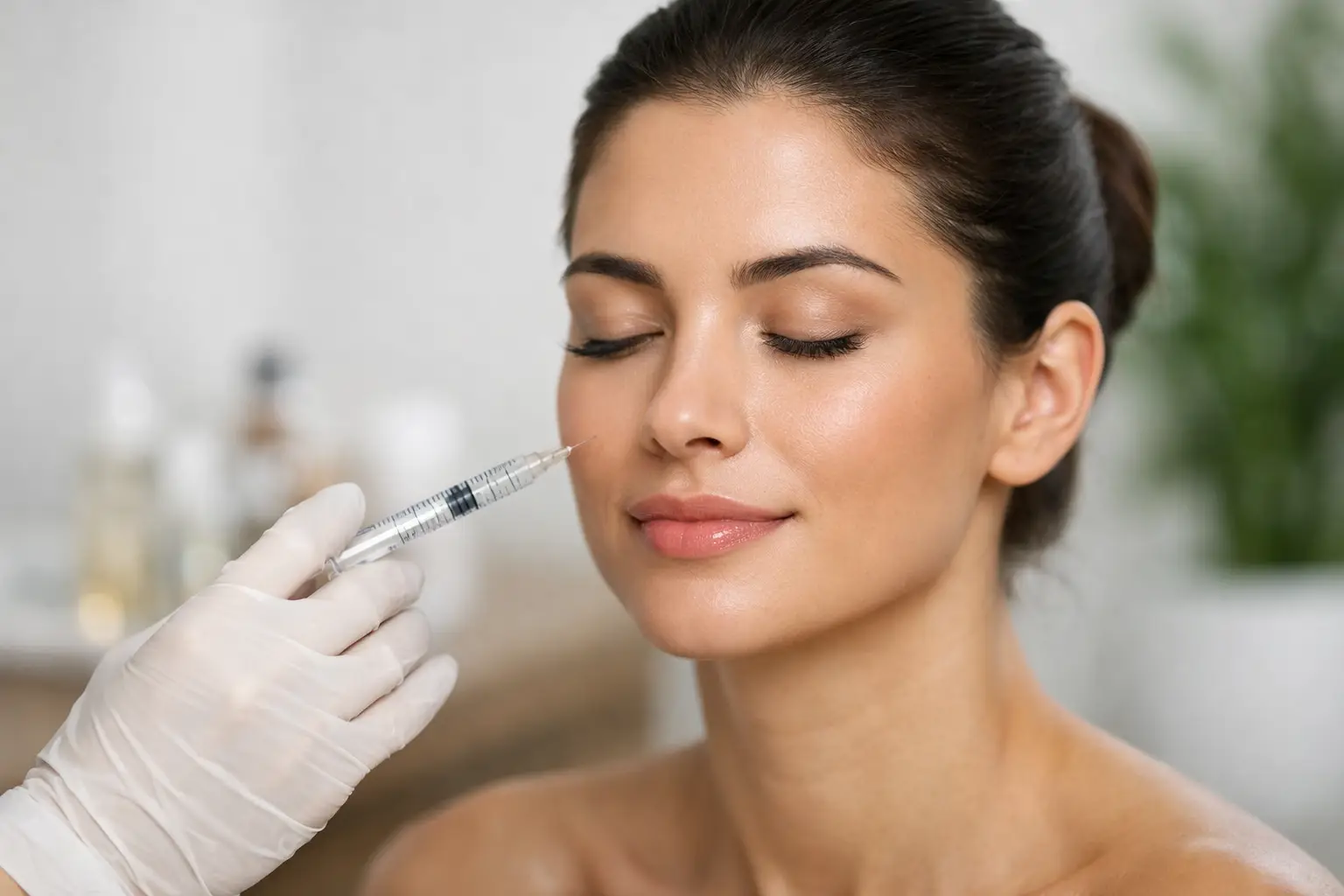
When your skin looks tired no matter how well you moisturise, the issue is often deeper than surface dryness. That is where aesthetics Bethnal Green skin booster benefits become especially relevant. Skin boosters are designed to improve hydration, texture and overall skin quality from within, which makes them a strong option for people who want fresher, healthier-looking skin without changing their facial shape.
For many clients, the appeal is not dramatic transformation. It is the opposite. They want skin that looks rested, smoother and more refined, whether they are heading into meetings, managing family life or simply want to feel more confident without heavy make-up. Skin boosters sit well in that space because they support skin quality rather than adding obvious volume.
What skin boosters actually do
Skin boosters are injectable treatments typically made with hyaluronic acid, a substance that helps the skin hold water. Unlike traditional dermal fillers, they are not primarily used to build structure or contour areas of the face. Instead, they work across the skin to improve hydration levels, elasticity and texture.
That distinction matters. If someone is hoping to sharpen the jawline or restore deeper volume loss in the cheeks, skin boosters may not be the right standalone choice. If the main concern is crepey skin, dullness, fine lines or a general loss of freshness, they can be very effective.
The treatment is usually placed in small amounts across targeted areas. Common zones include the cheeks, under-eye area, lower face, neck, décolletage and hands. The result is not an instant filled look. It is usually a gradual improvement in skin quality over the following weeks.
Aesthetics Bethnal Green skin booster benefits in real terms
The main reason people choose this treatment is hydration. Properly hydrated skin tends to look smoother, brighter and healthier. Fine dehydration lines can soften, and the skin often reflects light better, which gives that more rested appearance clients often describe as a glow.
Another of the key aesthetics Bethnal Green skin booster benefits is improved texture. Skin can begin to feel rough, thin or uneven with age, stress, environmental exposure and changes in collagen. Skin boosters can help the surface feel more supple and refined, especially when the treatment plan is tailored properly and spaced at suitable intervals.
There is also the benefit of subtlety. This matters to clients who are cautious about injectables or who want results that fit naturally into their appearance. Skin boosters do not usually create the visual signs people associate with overdone aesthetics. They are often chosen by people who want others to notice that they look well, not to guess what they have had done.
Some clients also find that their skin sits better with make-up afterwards. Foundation can look less patchy, and the skin may appear less fatigued through the day. While this is not the clinical aim of treatment, it is often one of the practical benefits clients appreciate most.
Who tends to benefit most
Skin boosters suit a wide age range, but the reason for treatment often varies. Younger clients may choose them to maintain hydration, improve radiance and support skin quality before deeper ageing changes become more established. Older clients often seek help for fine lines, thinning skin and a loss of elasticity.
They can also work well for people whose lifestyle affects their skin. Long hours, poor sleep, regular travelling, heating, air conditioning and stress can all leave the skin looking flat and depleted. A good treatment plan can support the skin in a way that skincare alone may not fully achieve.
That said, suitability is never one-size-fits-all. If there is significant laxity, pigmentation, active acne, rosacea flare-ups or deeper etched lines, another treatment may be better on its own or in combination. Honest assessment matters more than trying to fit every concern into one injectable option.
Treatment areas and what to expect
The face is the most common area for skin boosters, especially the cheeks and lower face. These areas often show dehydration, early fine lines and changes in skin quality first. Under the eyes can also respond well in selected cases, although this area requires careful assessment because not every product or technique is appropriate there.
The neck and décolletage are also popular. These areas can show creasing and thinning skin quite early, yet they are often overlooked in standard skincare routines. Hands can benefit too, particularly when they appear dry, crepey or more visibly aged than the face.
Most people need a course rather than a single session. Depending on the product used and the condition of the skin, two or three treatments spaced a few weeks apart is common, followed by maintenance. Results are usually progressive rather than immediate, which is often a positive for clients who prefer a natural pace of change.
After treatment, you can expect some mild swelling, redness or small injection marks. Bruising is possible, as with any injectable treatment. These effects are usually temporary, but timing still matters. It is sensible not to book treatment right before a major event.
Why consultation-led care makes a difference
Skin boosters are often described as simple, but good results rely on careful planning. Product choice, injection technique, skin condition, age, medical history and treatment goals all matter. A proper consultation helps establish whether the treatment is suitable, what kind of result is realistic and whether another approach would serve you better.
This is particularly important for clients who have had previous aesthetic work or who are combining treatments. Skin boosters can complement treatments such as microneedling, polynucleotides or selected regenerative options, but the sequence and spacing should be considered properly.
For clients in areas such as Bethnal Green, convenience can also shape treatment decisions. A mobile service can make ongoing skin treatment easier to fit around work and family commitments, especially when privacy and flexibility are important. What should not change, however, is clinical standard. Convenience is valuable only when it sits alongside safe assessment, informed consent and clear aftercare.
What skin boosters will not do
One of the most useful parts of any skin booster discussion is being clear about limitations. They are not a replacement for volume restoration when cheeks, temples or folds need structural support. They are not a facelift alternative. They will not erase every line or produce the same outcome as more intensive resurfacing treatments.
They also require maintenance. Skin continues to age, and no injectable treatment permanently stops that process. For many people, this is not a drawback so much as a practical reality. Aesthetic treatment works best when approached as ongoing skin management rather than a one-off fix.
Results also vary. Hydration, age, baseline skin quality, smoking, sun exposure and general health all influence how the skin responds. Promising identical outcomes to every client would not be honest.
Are they worth it?
For the right person, yes. Skin boosters are often worth considering when the goal is better skin quality rather than a different face. They can help bridge the gap between topical skincare and more structural injectable work, offering a subtle but meaningful improvement that fits well with a natural aesthetic approach.
They are especially appealing to people who want to look fresher without looking treated. That balance is often what clients are searching for, particularly in professional and social settings where discretion matters.
At London Essex Aesthetics, that kind of decision should always begin with a personalised consultation, not a standard package. Good aesthetic care is not about persuading someone into treatment. It is about understanding the concern, explaining the options clearly and choosing the safest, most appropriate route for that individual.
If your skin has started to feel dull, dehydrated or less resilient, skin boosters may be a sensible next step. The best results usually come from measured treatment, realistic expectations and a practitioner who is prepared to tell you when something else would suit you better.