
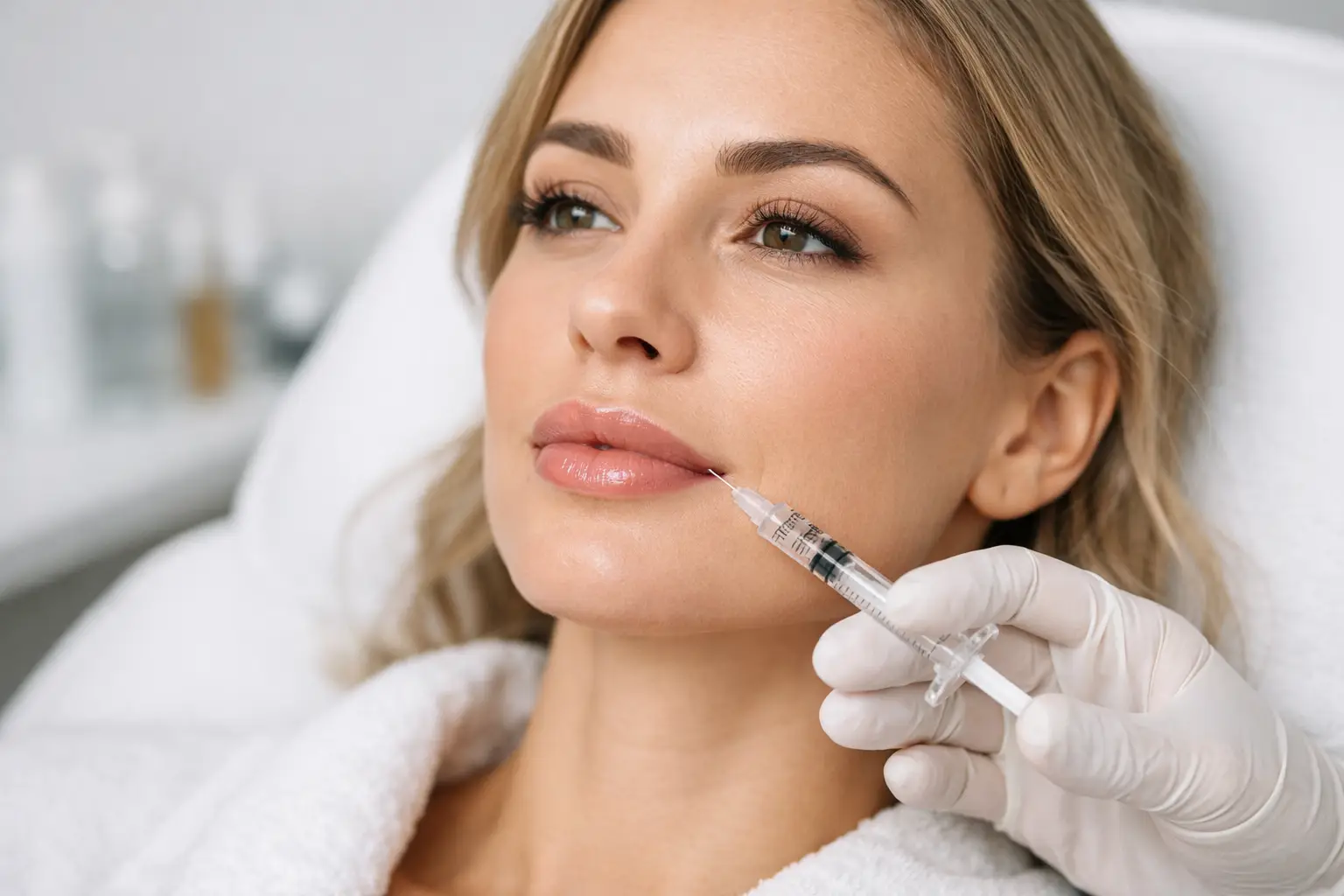
Full, sharply defined lips are not the goal for everyone. For many people, the best result is one that restores softness, balances the profile or improves definition without changing the way they look. If you are considering lip fillers Hoxton – 07904 727272, the starting point should be a considered consultation, not a one-size-fits-all treatment plan.
Lip filler is a popular treatment, but it is also highly visible. Small differences in product placement, volume and lip anatomy can have a significant effect on the final result. A careful approach gives you space to discuss what you would like to improve, what is realistically achievable and whether dermal filler is the right option at this stage.
Lip fillers in Hoxton: proportion comes first
The lips need to work in harmony with the rest of the face. This means considering the natural border of the lip, the amount of existing volume, facial proportions, asymmetry and how the lips move when you talk and smile. A result that suits one person may not suit another, even where the requested look sounds similar.
For clients seeking a refined result, treatment may focus on gentle hydration, subtle enhancement of the cupid’s bow, improved shape or restoring volume that has reduced over time. In some cases, adding more filler is not the answer. If the lips already appear overfilled, if there is migration from previous treatment or if the surrounding skin needs attention, a different plan may be more appropriate.
At London Essex Aesthetics, the aim is to make recommendations based on your features and priorities, rather than following a passing trend. You should always feel able to ask for a conservative first treatment. More can be considered later if it remains appropriate, whereas reducing excess filler is a more involved process.
Why a mobile appointment can work well
A mobile aesthetics appointment can offer welcome privacy and convenience, particularly if work, family commitments or travelling across London make a clinic visit difficult. Being treated at home or another suitable private location can also make the experience feel calmer and less rushed.
Convenience should never mean reduced standards. Before a mobile lip filler appointment, the treatment area should be clean, well lit and suitable for a clinical procedure. Your practitioner should allow time for consultation, consent, treatment and aftercare discussion rather than trying to fit an injectable treatment into a rushed gap in the day.
A home appointment may not be suitable in every circumstance. If the space is not appropriate, you are unwell, or there are factors that need further assessment, postponing treatment is often the sensible choice. Responsible aesthetic care includes knowing when not to proceed.
Your consultation should be specific to you
A thorough consultation is where a safe, natural-looking outcome begins. It should cover your medical history, allergies, current medication, previous filler treatments and any history of cold sores. It is also the time to discuss pregnancy or breastfeeding, recent dental work, active skin conditions and any plans for upcoming events.
Photographs may be taken for clinical records and to support treatment planning, with your consent. Your practitioner should assess your lips at rest and in movement, explain the product being considered and discuss the potential benefits, limitations and risks. You should not feel pressured to have treatment simply because an appointment has been arranged.
If you have had filler elsewhere, be open about when it was placed and in which areas. Previous product can affect both the appearance and the safety of further treatment. Sometimes the right recommendation is to wait, review old filler or consider dissolving before adding more.
What happens during lip filler treatment?
Dermal filler used in the lips is commonly made with hyaluronic acid, a substance that attracts water and is naturally present in the body. The product is placed carefully in selected areas to support shape, definition or volume. A topical numbing product may be used, and many fillers also contain local anaesthetic to improve comfort.
The treatment itself is usually relatively quick, but it should never feel hurried. Precise placement matters more than speed. Your practitioner may pause to assess symmetry and how the lips are responding, then make small adjustments where appropriate.
It is normal to see some immediate change, although the result directly after treatment is not the settled result. Swelling can make the lips look fuller or slightly uneven at first. This is why treatment immediately before a major occasion is rarely ideal. Allow time for the area to settle and for any bruising to resolve.
Safety is part of the treatment, not an extra
Lip filler is an injectable medical aesthetic procedure and should be treated with appropriate care. Bruising, tenderness, redness, swelling and temporary asymmetry are common possibilities. More serious complications are uncommon but can occur, including infection, allergic reaction or vascular occlusion, where blood flow is affected.
You should be given clear information about warning signs and how to contact your practitioner after treatment. Severe or increasing pain, skin becoming unusually pale, mottled or dusky, significant changes in sensation, or visual disturbance require urgent assessment. Do not wait for swelling to settle if you are worried about these symptoms.
A responsible practitioner will have suitable safety protocols, emergency arrangements and a clear plan for managing complications. They will also be honest if your desired result cannot be achieved safely in a single session. This is not a limitation in service – it is good clinical judgement.
Aftercare for smoother healing
Your individual aftercare advice should always take priority, but most clients are advised to avoid pressing, massaging or repeatedly checking the lips unless specifically instructed to do so. Keep the area clean and avoid applying make-up immediately after treatment where possible.
For the first 24 to 48 hours, it is usually sensible to avoid strenuous exercise, excessive heat, alcohol and anything likely to increase swelling. Avoiding smoking, hot drinks and foods that require a wide mouth opening can also help if your lips feel tender. A cool compress applied gently may provide comfort, but do not use direct ice on the skin.
Bruising can occasionally last longer than swelling, particularly if you are prone to it or take medication that affects clotting. Plan with this in mind and do not book treatment on the day before an important event. Your follow-up plan should be explained in advance, including when to get in touch if you have questions about your healing.
How long do lip fillers last?
There is no fixed answer because longevity varies with the product used, your metabolism, the treatment technique and the amount placed. Many clients find that lip filler softens gradually over several months. It may be appropriate to review the result after the initial settling period before deciding whether any additional treatment is needed.
Regular appointments should not become automatic top-ups. The lips should be assessed each time, particularly if you have a history of migration, recurrent swelling or feel that the shape no longer looks as natural as you would like. Sometimes allowing time for filler to break down is the better choice.
The most successful lip filler treatments are often the least obvious to other people. They should leave you looking rested, balanced and still recognisably yourself. Choose a practitioner who is prepared to listen carefully, explain the trade-offs and recommend a pace of treatment that protects both your safety and your confidence.