
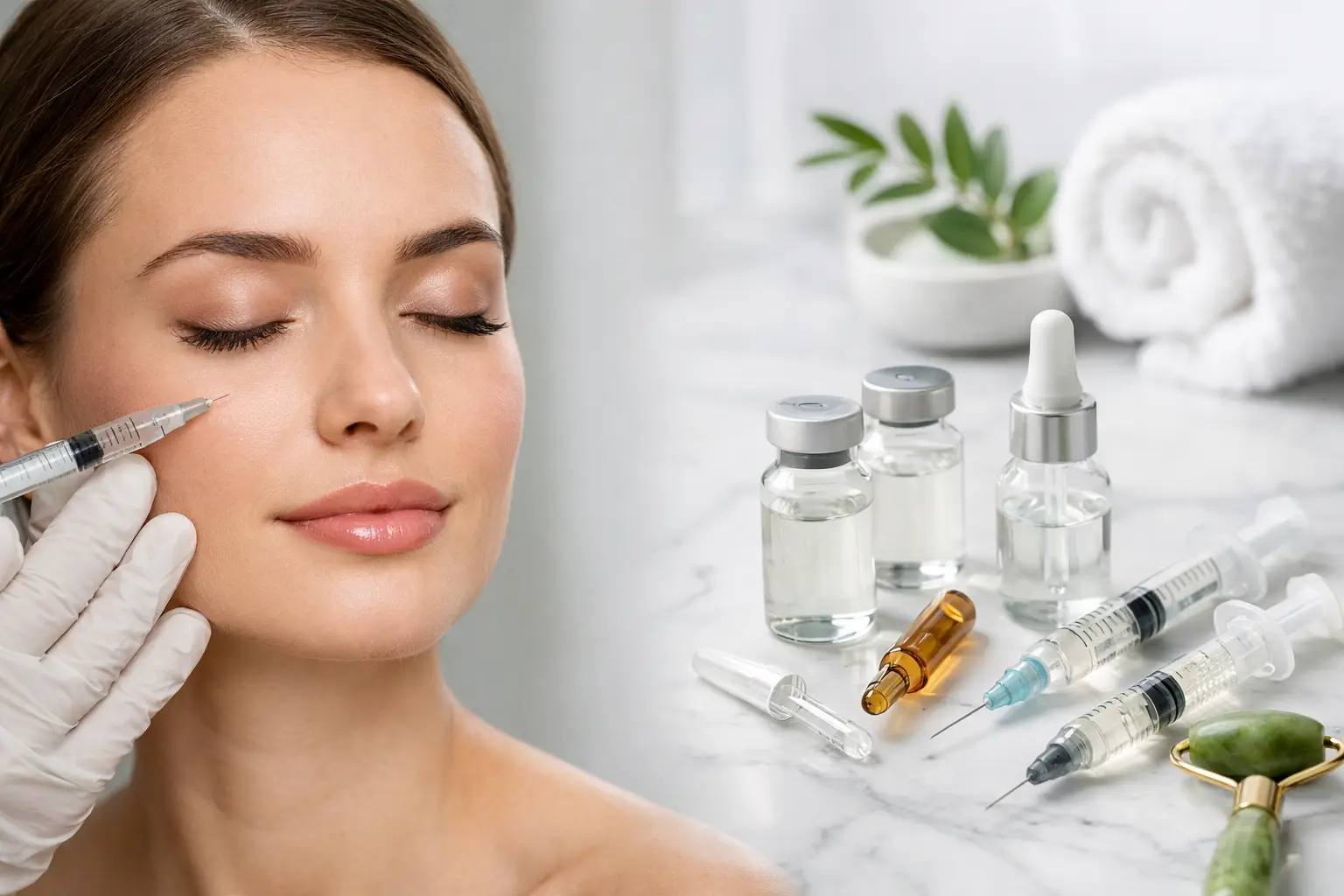
A clinic appointment does not always fit around work, school runs or family life. That is one reason interest in aesthetics Buckhurst Hill polynucleotides fillers at home has grown so quickly. For many clients, the appeal is not only convenience. It is the chance to have advanced treatment in a private, familiar setting, with time for a proper consultation and a plan built around natural, considered results.
Home-based aesthetics can work extremely well when it is done properly. The key point is that convenience should never replace clinical judgement. Treatments such as polynucleotides and dermal fillers need careful assessment, sound product knowledge, safe technique and clear aftercare. When those standards are in place, at-home treatment can feel calm, discreet and highly personalised.
Why more clients in Buckhurst Hill choose aesthetics at home
For some people, visiting a clinic is straightforward. For others, it adds pressure. You may need to travel across London or Essex, arrange childcare, leave work early or sit in a waiting area when you would rather keep your treatment private. A mobile service changes that experience.
Having treatment at home often means you are more relaxed from the start. That matters, because good aesthetic work is not rushed. Whether the concern is tired-looking skin, early volume loss, creasing around the mouth or a general loss of firmness, the best outcomes usually come from a measured approach. In a home setting, consultations often feel more natural and less hurried, which can help clients ask better questions and make more informed choices.
There is also a practical benefit after treatment. If you have had filler or a regenerative injectable, you can settle back into your own routine rather than travelling home straight away. That can make the whole process feel easier.
Aesthetics Buckhurst Hill – polynucleotides fillers at home explained
Although polynucleotides and fillers are both injectable treatments, they do very different jobs. They are not interchangeable, and that distinction matters when deciding what is right for you.
What polynucleotides do
Polynucleotides are regenerative injectables designed to support skin quality. Rather than adding volume, they work by encouraging repair and improving the condition of the skin over time. They are often chosen when the skin looks dull, crepey, dehydrated or tired, particularly around delicate areas such as under the eyes, the neck or the lower face.
This treatment suits clients who want improvement in texture, elasticity and overall skin health without changing the shape of the face. Results build gradually. That is a strength, not a weakness, for people who prefer subtle change.
Polynucleotides can be especially useful if your main concern is not hollowness but skin quality. A face can look older because of poor tone and thinning skin even when volume loss is mild. In those cases, replacing volume with filler alone may not address the real issue.
What fillers do
Dermal fillers are used to restore volume, improve contour and soften deeper lines caused by structural change. They may be suitable for areas such as the cheeks, nasolabial folds, marionette lines, chin or jawline, depending on facial anatomy and treatment goals.
A well-planned filler treatment should not make you look like a different person. The aim is balance, support and refinement. In practice, that often means using less product than clients expect. It can also mean deciding not to treat a particular area if doing so would look heavy or unnatural.
Fillers are usually the better option when there is visible volume loss or a need for more structural support. They work more immediately than polynucleotides, but they also require strong judgement. Not every line needs filling, and not every face benefits from more volume.
Which treatment is right for you?
It depends on what is driving the concern. If the skin is thin, tired and lacking bounce, polynucleotides may be the more appropriate first step. If the issue is hollowing, descent or lost definition, filler may make more sense. Quite often, the answer is a staged plan rather than a single treatment.
For example, someone may benefit from polynucleotides around the eyes to improve skin quality, alongside a conservative amount of filler in the mid-face to restore support. Another client might be better advised to avoid filler altogether and focus on regenerative work first. Good practice means matching the treatment to the tissue, not forcing every concern into the same solution.
This is where consultation matters most. A responsible practitioner should assess your facial structure, skin quality, medical history, previous treatment and expectations before recommending anything. If a treatment is not suitable, you should be told clearly.
What to expect from an at-home appointment
Professional at-home aesthetics should feel organised, hygienic and unhurried. The setting may be more comfortable than a clinic, but the standards should remain high.
A proper appointment begins with consultation and consent, not with opening syringes. You should have time to discuss what is bothering you, what result you want and whether that result is realistic. Photographs may be taken for assessment and records. Your practitioner should also talk through risks, benefits, likely downtime and aftercare.
Preparation of the treatment space is part of the service. Clean surfaces, appropriate lighting, clinical waste management and safe sharps disposal all matter. This is one of the reasons it is worth choosing an experienced medical aesthetics provider rather than viewing home treatment as a casual convenience.
During treatment, the pace should be measured. You may find that being at home makes the process feel less clinical and more discreet, particularly if you are new to injectables. Most clients appreciate being able to settle afterwards in their own surroundings rather than stepping straight back into public.
Safety and standards should not change because the treatment is at home
The strongest at-home aesthetic services are built around the same principles as good clinic care: assessment, hygiene, anatomy knowledge, product quality, emergency preparedness and aftercare.
That means asking the right questions before treatment, including any history of allergy, autoimmune conditions, skin infection, previous filler, current medication or recent procedures. It also means knowing when to postpone. Active skin irritation, illness or unrealistic expectations are all valid reasons to wait.
Polynucleotides and fillers are not beauty accessories. They are medical aesthetic treatments. Even when the result looks soft and understated, the planning behind it should be precise. Safety also includes knowing what not to do. Treating too much in one session, layering product unnecessarily or copying a look seen on social media rarely leads to the best result.
The value of natural-looking results
Many clients want to look fresher, less tired or more defined, but they do not want obvious treatment. That is often where mobile, consultation-led aesthetics have an advantage. The focus tends to be less on trends and more on what suits your face, your skin and your routine.
Polynucleotides are particularly well suited to this approach because the change is progressive. Skin can appear healthier and more resilient without looking artificially altered. Fillers can be equally natural when they are used conservatively and placed with restraint.
The trade-off is that subtle treatment may require patience. If you want your skin quality to improve properly, or you want volume restored without heaviness, there may be value in a phased plan rather than trying to do everything at once. Most experienced practitioners would rather build a result carefully than chase an immediate but overdone finish.
Aftercare at home
One of the practical advantages of mobile treatment is that aftercare starts in your own environment. You are already where you need to be. That can make it easier to follow guidance, avoid unnecessary activity and keep the treated area settled.
Aftercare advice will vary depending on whether you have had polynucleotides or filler, but the basics are usually simple: keep the area clean, avoid touching it unnecessarily, follow any product or activity restrictions, and report anything that feels unusual. Mild swelling, redness or bruising can happen. You should also know what signs require prompt review.
A good service does not end when the appointment finishes. Clear aftercare and appropriate follow-up are part of safe treatment.
For clients considering London Essex Aesthetics or another experienced mobile provider, the real benefit of at-home care is not just that it saves a journey. It is that expert treatment can feel more personal, more discreet and easier to fit into real life, without compromising standards. If you are weighing up polynucleotides, fillers or a combination of the two, the right starting point is a careful conversation – because the best aesthetic results rarely begin with product, but with judgement.