
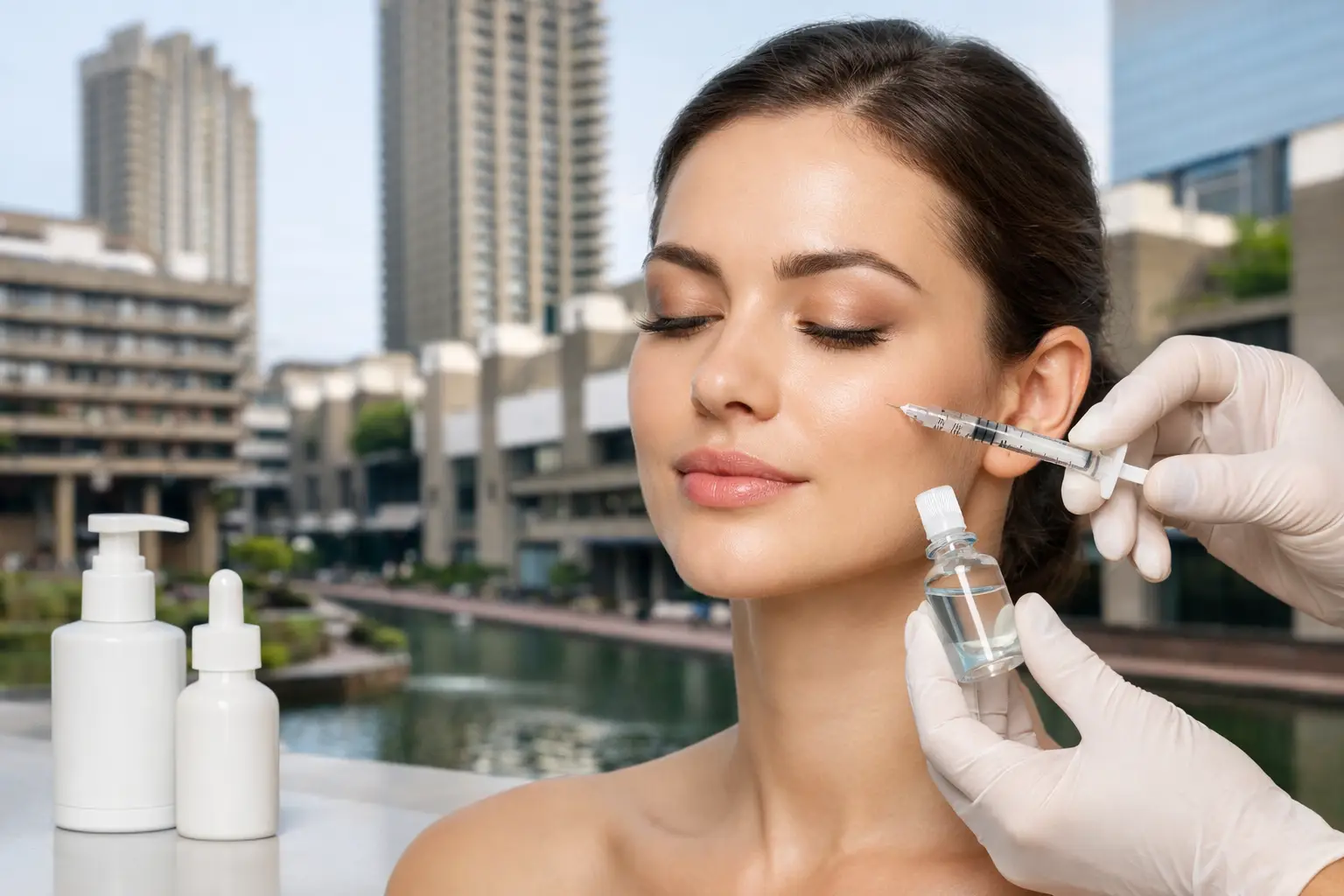
When your diary is full, the idea of crossing London for an aesthetics appointment can feel like the hardest part of treatment. That is why aesthetics Barbican – polynucleotides, fillers, Profhilo, we come to you – appeals to clients who want expert care without the extra travel, waiting rooms or loss of privacy.
Mobile aesthetics is not about making treatment casual. It is about making high-standard care more practical. For many clients in and around Barbican, home appointments offer the time, discretion and comfort that make it easier to commit to a treatment plan and to make thoughtful decisions rather than rushed ones.
Why clients choose Barbican aesthetics – polynucleotides, fillers, Profhilo
Most people are not looking for a dramatic change. They want fresher skin, softer lines, better hydration or more balanced facial contours, but they still want to look like themselves. That is where a consultation-led approach matters.
Treatments such as polynucleotides, dermal fillers and Profhilo can all play a role, but they do different jobs. One client may need hydration and tissue support rather than volume. Another may benefit from conservative filler placement rather than a skin booster. Someone else may be better suited to regenerative treatment over a longer course. Good aesthetics is rarely about choosing the trendiest treatment. It is about choosing the right one for your skin, facial structure and goals.
A mobile appointment can support that process well. Being in your own home often helps people feel more relaxed, ask better questions and avoid the pressure of trying to fit a consultation into a rushed lunch break.
What polynucleotides, fillers and Profhilo actually do
Polynucleotides
Polynucleotides are regenerative injectable treatments used to support skin quality. They are often chosen for crepey, tired, fragile or ageing skin and can be especially useful in areas where skin texture is a concern, such as around the eyes, face, neck or hands.
Rather than creating volume in the way a filler does, polynucleotides work by encouraging repair and improving the condition of the skin over time. This makes them a strong option for clients who want a healthier, fresher look without adding fullness. Results are typically more gradual, which suits people who prefer subtle change.
The trade-off is patience. If you want immediate structure in the cheeks or definition in the chin, polynucleotides are not the right tool on their own. They are better thought of as a skin quality treatment rather than a sculpting treatment.
Dermal fillers
Fillers are designed to restore volume, support facial contours and soften certain lines. Used well, they can create balance and structure in a very refined way. Common treatment areas include lips, cheeks, chin, jawline and the lines that develop with volume loss.
Fillers are often misunderstood because people tend to think only of overfilled results. In reality, well-planned filler treatment should respect the face. The aim is not to change your identity. It is to restore what has been lost, improve proportion where needed and keep movement and expression looking natural.
Fillers can provide visible improvement more quickly than regenerative treatments, but they are not right for every concern. If the main issue is poor skin texture, dehydration or dullness, filler may not be the first recommendation.
Profhilo
Profhilo is an injectable skin remodelling treatment made with hyaluronic acid, but it is not a filler in the usual sense. It does not aim to create volume or contour. Its purpose is to improve hydration, skin quality and overall freshness.
Clients often choose Profhilo when their skin feels tired, less elastic or generally lacking in bounce. It can be particularly helpful when the face looks drawn or fatigued but does not need structural volume. It is also popular with those who want a treatment that refreshes the skin while keeping the result understated.
Profhilo sits somewhere between skincare and injectable treatment in terms of what clients notice. The skin can look smoother, more hydrated and healthier, but it will not reshape features. That distinction matters when deciding whether it is the right choice.
How to know which treatment suits you
There is no honest way to recommend one treatment for everyone in Barbican. The right plan depends on what is actually causing the concern.
If your skin is thin, tired or showing signs of reduced quality, polynucleotides may be the stronger option. If your face has lost support or definition, filler may be more appropriate. If your main concern is hydration, laxity and overall skin freshness, Profhilo may be enough. In some cases, the best results come from combining treatments over time rather than expecting one product to solve everything.
Age is only one factor. Lifestyle, skin condition, previous treatment history and how subtle you want the outcome to be all matter. A client in their thirties wanting prevention and glow may need a very different plan from a client in their fifties dealing with volume loss and skin thinning.
A careful consultation should also include what not to treat. Sometimes a concern is better addressed with skin rejuvenation than filler. Sometimes treatment should be delayed altogether if there is irritation, illness or an unrealistic expectation of results.
What to expect when we come to you
For clients considering aesthetics Barbican polynucleotides fillers Profhilo we come to you, the experience should still feel clinical, structured and safe. Convenience should never mean cutting corners.
A proper appointment starts with a consultation and assessment of your medical history, current concerns and treatment suitability. This includes discussing allergies, medications, previous aesthetic work and any contraindications. Photographs may be taken for clinical records where appropriate, and the treatment plan should be explained clearly before anything begins.
The treatment area in your home should be clean, well lit and suitable for the procedure. Professional mobile practice includes appropriate hygiene protocols, sharps management, product traceability and clear aftercare advice. You should know what has been used, why it has been chosen and what to expect in the hours and days afterwards.
This matters because injectables are still medical aesthetic procedures. The setting may be familiar, but the standards should remain high.
The benefits of treatment at home
The most obvious benefit is convenience, but that is only part of it. Many clients feel more at ease in their own surroundings, especially if they are new to injectables or trying a regenerative treatment for the first time. Questions often come more naturally when you are not sitting in a busy clinic reception.
Privacy is another major reason people choose home visits. Some clients simply prefer discretion. Others have work, childcare or caring responsibilities that make travelling to and from an appointment inconvenient.
There is also a practical aftercare advantage. If you have had treatment that may cause mild redness, swelling or tenderness, being able to settle back at home straight away is often more comfortable than heading onto public transport.
Realistic results and honest expectations
The best aesthetic work is often the least obvious. Friends may say you look well rested or fresher without being able to pinpoint why. That is usually a good sign.
Still, every treatment has limits. Fillers can improve support and contour, but they cannot replace surgery where laxity is advanced. Profhilo can improve hydration and skin quality, but it cannot create cheekbone structure. Polynucleotides can support tissue repair, but they require time and usually a course of treatment.
Some swelling, redness or tenderness can happen after injectables, and downtime varies depending on the treatment and area. This should be explained in advance, along with aftercare and review plans. Honest treatment advice means being clear about both the benefits and the boundaries.
For clients who value subtle, personalised care, that honesty is often what makes the difference between a treatment that feels reassuring and one that feels rushed.
If you are considering treatment in Barbican, the right starting point is not asking which injectable is most popular. It is asking which approach suits your face, your skin and your lifestyle – and whether having that care brought to you makes the whole process feel more manageable, private and considered.