
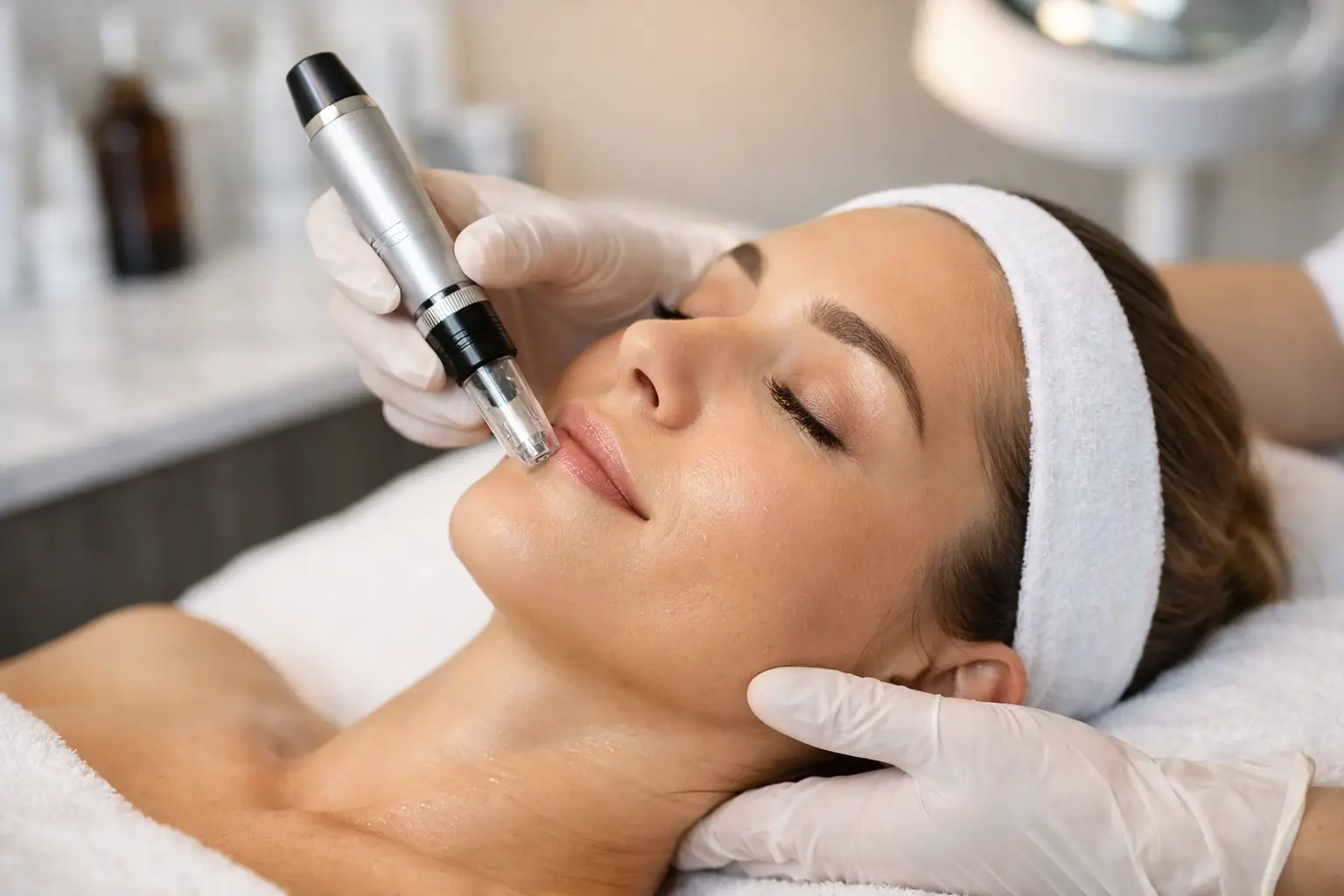
Good skin texture is often what makes a face look fresh, even more than volume or definition. When skin starts to feel rough, marked by acne scarring, enlarged pores or fine lines, microneedling is often one of the most sensible places to start. In this guide, aesthetics Southend microneedling benefits explained means looking past the trend value and focusing on what the treatment can realistically do, who it suits, and why results tend to look natural rather than obvious.
What microneedling is actually doing
Microneedling is a collagen induction treatment. A device fitted with very fine sterile needles creates controlled micro-injuries in the skin. That sounds more dramatic than it is. The purpose is not to damage the skin, but to stimulate a repair response that encourages collagen and elastin production.
This matters because many common skin concerns are linked to changes in skin structure rather than just surface dryness or congestion. Fine lines, post-acne marks, uneven texture and some types of pigmentation often improve when the skin is prompted to regenerate more effectively. The result is usually gradual improvement in how the skin looks and feels, rather than a sudden or overdone change.
For clients who want fresher skin but do not want injectables, or who are not ready for them, microneedling can be a very strong option. It also works well for people who already invest in good skincare but feel they have reached a plateau.
Aesthetics Southend microneedling benefits explained
The main reason microneedling remains so popular is that it treats several concerns at once. It does not simply target one line or one patch of skin. It supports overall skin quality.
One of the clearest benefits is improved texture. Skin that feels uneven, slightly rough or marked from previous breakouts often becomes smoother over a course of treatments. This is especially valuable because texture is difficult to disguise with make-up and often becomes more noticeable in natural daylight.
Another important benefit is the softening of fine lines. Microneedling is not a replacement for anti-wrinkle injections where muscle movement is the main cause, but it can improve the look of crepey or early-lined skin by strengthening the skin itself. Around the cheeks, lower face and under-eye area, that can make the skin appear healthier and less tired.
Microneedling can also help reduce the appearance of acne scarring. It is particularly useful for shallow to moderate atrophic scars, where the skin has healed with indentations. Deeper scarring may need a broader treatment plan, and that honesty matters. Microneedling can improve scars significantly for the right client, but it is rarely a one-session fix.
Pore appearance often improves too. Pores do not open and close in the way many people think, but they can appear larger when skin is congested, lax or uneven. By improving skin firmness and texture, microneedling can make pores look less prominent.
Then there is brightness. Dull skin can come from slower cell turnover, sun exposure, dehydration, previous inflammation and natural ageing. A course of microneedling can help the complexion look clearer and more reflective, not because it changes your features, but because healthier skin catches light better.
Who tends to benefit most
Microneedling suits a wide range of adults, but the best results come when the treatment matches the concern properly. Clients often benefit most when they want improvement in skin quality rather than a dramatic reshaping effect.
It is commonly chosen by people with post-acne texture, early signs of ageing, sun-related skin changes, mild scarring or general dullness. It can also be a sensible option for those who prefer regenerative treatments that work with the skin over time.
That said, suitability is never one-size-fits-all. If the skin is actively inflamed, if there is uncontrolled acne, certain infections, some medical skin conditions, or if a person is pregnant or breastfeeding depending on treatment protocol, microneedling may need to be delayed or adapted. A proper consultation should always come first.
Skin tone also matters. Microneedling can be appropriate for many skin types, including darker skin tones, but treatment depth, intensity and aftercare should be chosen carefully to reduce the risk of irritation or post-inflammatory pigmentation. This is where a medically informed, personalised approach makes a real difference.
What results look like in real life
One of the strengths of microneedling is that the improvement tends to look believable. People may notice that your skin looks smoother, clearer or more rested, but they will not usually be able to point to one obvious reason.
Immediately after treatment, the skin often looks pink or flushed, rather like a mild sunburn. Some clients feel a little tightness or warmth for a day or two. Then the skin settles. Over the following weeks, collagen remodelling begins, and the surface gradually appears more refined.
For mild dullness or texture, some people notice a freshening effect after one session. For scarring, lines or more established concerns, a course is usually needed. Three to six sessions spaced several weeks apart is common, although the exact number depends on the skin condition, the treatment depth and the outcome you are aiming for.
This is also why expectations matter. Microneedling is effective, but it is not instant in the way fillers can be. It rewards patience. Clients who understand that usually feel more satisfied because they are looking for progressive skin improvement, not overnight change.
Microneedling compared with other skin treatments
Microneedling sits in a useful middle ground. It is more active than a standard facial, but usually involves less downtime and less surface disruption than some stronger resurfacing treatments.
Compared with chemical peels, microneedling often focuses more on stimulating regeneration within the skin, while peels work by exfoliating and renewing the surface layers. One is not automatically better than the other. It depends on whether the main concern is texture, pigmentation, acne activity, dullness or ageing. In some treatment plans, both may have a place at different times.
Compared with injectables, microneedling addresses skin quality rather than movement or volume. If your concern is static roughness, scarring or lack of radiance, microneedling may be more appropriate. If the main issue is deeper expression lines or facial hollowing, other treatments may be more effective. Often the best outcomes come from combining modalities thoughtfully rather than expecting one treatment to do everything.
Why aftercare has a direct impact on results
Good treatment is only part of the process. Aftercare helps protect the skin while it heals and can make a visible difference to both comfort and outcome.
For the first day or two, the skin should be treated gently. That usually means avoiding active skincare, excessive heat, heavy exercise, swimming, and anything likely to increase irritation. Daily SPF is essential, particularly if you are treating pigmentation or sun-related changes. Freshly treated skin is more vulnerable to environmental stress, and protecting it properly supports better healing.
Hydration matters as well. Skin that is well looked after after treatment tends to settle more quickly and respond better over a course. This is one reason a personalised aftercare plan is so important. It gives clients confidence, but it also helps avoid preventable setbacks.
The benefit of having treatment in a private setting
For many clients, convenience is not just about saving time. It affects the whole experience. Having a treatment such as microneedling in a familiar, private environment can make the process feel calmer and more manageable, especially for busy professionals, parents or anyone who prefers discretion.
A mobile service should never mean lower standards. If anything, it should still be consultation-led, clinically structured and clear on hygiene, contraindications and aftercare. That combination of convenience and professional care is what makes the experience worthwhile. London Essex Aesthetics is built around exactly that approach, offering advanced skin treatments with a focus on safety, natural results and personalised planning.
Is microneedling worth it?
If your goal is better skin rather than a dramatically different face, microneedling is often worth considering. It can improve texture, soften fine lines, support acne scar revision and restore some brightness in a way that still looks like you.
The key is being realistic about what it can and cannot do. It is excellent for skin quality. It is not the answer to every concern. The best treatment plans start with an honest assessment, not a blanket recommendation.
When chosen well and carried out properly, microneedling is one of the most reliable ways to help skin look smoother, healthier and more refined over time. If you have been noticing your skin more in the mirror for the wrong reasons, that kind of quiet improvement can be exactly the right place to begin.