
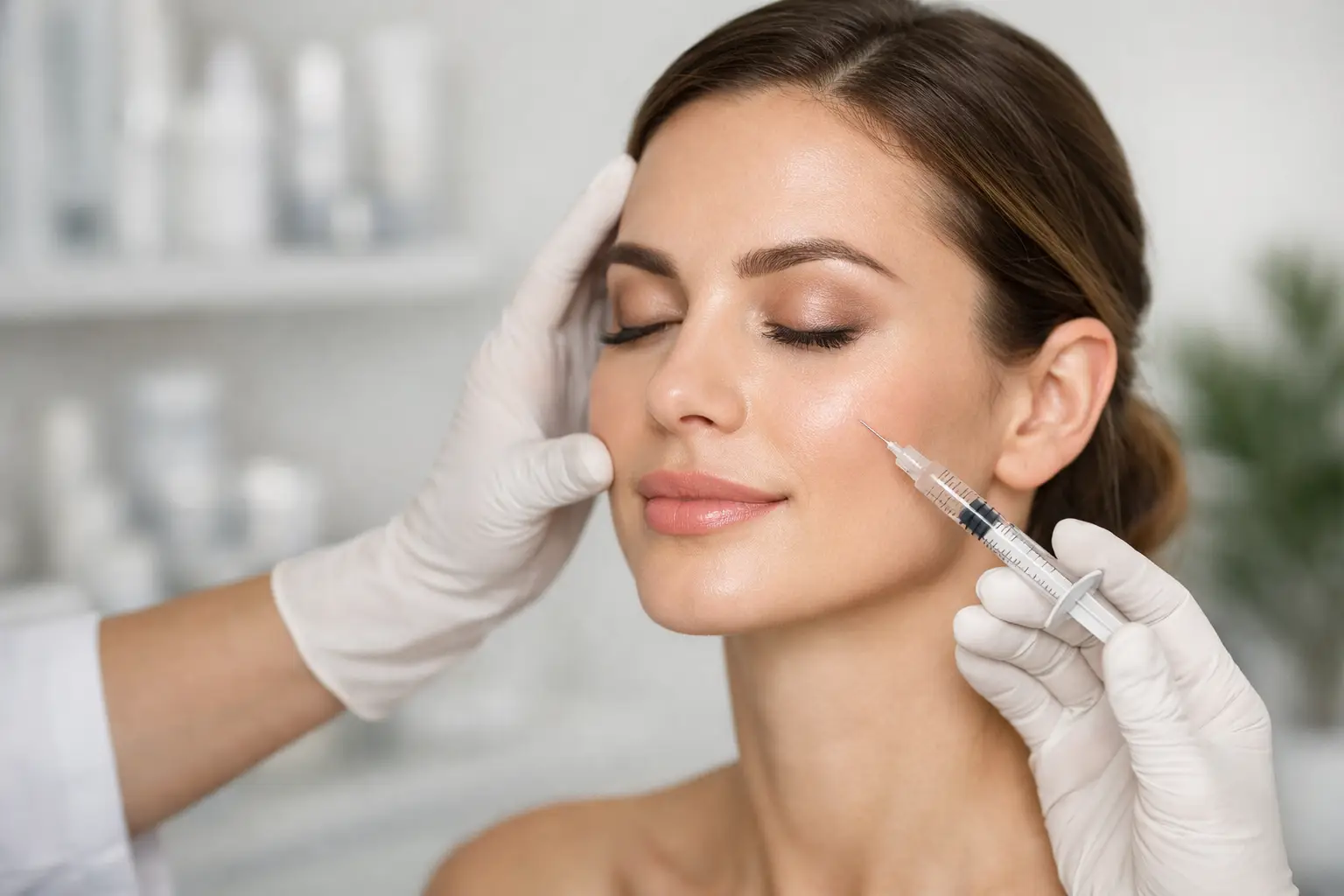
A treatment plan should not start with a syringe. It should start with a conversation about what is bothering you, what looks tired or less defined, and what kind of result would still feel like you. When people search for aesthetics Stanford-le-Hope-dermal fillers-polynucleotides, they are often comparing two very different ways of improving the face and skin – one replaces lost structure, the other supports repair and skin quality.
Both can be excellent options, but they are not interchangeable. If your main concern is volume loss, contour or deeper folds, dermal fillers may be the better fit. If your skin feels crepey, dull, fragile or depleted, polynucleotides may offer a more suitable regenerative approach. In many cases, the best result comes from understanding where each treatment works well and where it does not.
Aesthetics in Stanford-le-Hope – dermal fillers or polynucleotides?
This is one of the most common questions in consultation, and the answer depends on your concern, your anatomy and your expectations. Dermal fillers are typically used to restore volume, support facial structure and soften certain lines. They can be effective in areas such as the lips, cheeks, chin, jawline and around the mouth when treatment is carefully planned.
Polynucleotides work differently. Rather than acting as a volumising product, they are used to improve skin quality by supporting hydration, tissue repair and overall skin condition. They are often chosen for under-eye crepiness, fine lines, dullness, delicate skin and areas where a heavy or filled look would be inappropriate.
The distinction matters. If someone has hollowing in the mid-face, polynucleotides alone will not recreate lost support. If someone has thin, tired-looking under-eye skin, filler may not be the first choice and can sometimes make that area look heavier if used in the wrong candidate. A good consultation looks beyond the treatment name and focuses on what your face or skin genuinely needs.
What dermal fillers are best for
Dermal fillers are usually hyaluronic acid-based products designed to add volume, shape and definition. In the right hands, they can refresh the face without making it look altered. The aim is not to make every feature larger. It is to restore balance.
Cheeks are a good example. With age, volume loss through the mid-face can flatten the cheek area and contribute to heaviness lower down. Strategic filler placement may restore support and subtly improve the overall facial shape. The same principle can apply to the chin and jawline, where small changes can improve proportion rather than simply create a sharper profile.
Lips are another area where expectations need careful management. Some clients want more definition, some want hydration, and others want a very modest increase in volume. These are different goals and need different approaches. A natural-looking result relies on respecting the existing lip shape, facial proportions and tissue quality.
There are limits to what filler should do. It is not a replacement for healthy skin, and it is not the right answer for every line. Over-treating can create puffiness, imbalance and an unnatural finish. A measured approach usually ages better and looks more refined.
Where polynucleotides come into their own
Polynucleotides are regenerative injectables designed to support skin repair and improve the condition of the tissue over time. They are particularly useful when the concern is not lack of volume but lack of skin resilience. This makes them popular for delicate or difficult areas, especially where subtle improvement is preferable to adding bulk.
The under-eye area is a strong example. Many people notice darkening, crepiness or thin-looking skin beneath the eyes, but not everyone is suited to tear trough filler. Polynucleotides can be a valuable option here because they focus on skin quality rather than trying to fill a space that may not benefit from extra volume.
They are also often used on the face, neck and around the mouth where the skin may look tired, fragile or textured. Results are not instant in the same way filler can be. Improvement develops gradually, which suits clients who want a fresher appearance without an obvious change from one day to the next.
That slower build is worth understanding before treatment. Polynucleotides are not a quick fix before an event. They are better suited to clients who are willing to invest in skin quality over a series of sessions and allow the tissue time to respond.
Aesthetics Stanford-le-Hope dermal fillers polynucleotides – how to choose well
The most useful question is not which treatment is better. It is better for what.
If you are bothered by flattening in the cheeks, loss of lip shape, reduced chin projection or facial imbalance, dermal fillers may be appropriate. If your concern is fine lines, poor texture, under-eye skin quality or an overall tired appearance in the skin itself, polynucleotides may be the stronger option.
Sometimes the answer is both, but not necessarily at the same appointment. A face with volume loss and poor skin quality may benefit from a staged plan where structure is restored first or where skin health is improved before any filler is considered. Sequencing matters because good results often come from restraint, not from doing everything at once.
This is particularly relevant for clients who want natural outcomes. If your preference is to look fresher rather than different, a gradual plan usually gives more control. It also allows treatment to be reviewed properly between appointments instead of chasing a result in one sitting.
What to expect from consultation and treatment
A proper consultation should cover more than the area you want treated. It should include medical history, allergies, previous aesthetic treatment, current medications, healing tendency and lifestyle factors that may affect outcome or recovery. It should also include a realistic discussion about what can be achieved.
For dermal fillers, treatment is usually relatively quick, though the exact approach depends on the area. Some swelling, tenderness and occasional bruising can occur afterwards. Final results are not always visible immediately because early swelling can distort the initial appearance.
Polynucleotides are also administered by injection, often as a course rather than a one-off session. Small bumps at the injection points can be normal for a short period afterwards, and mild redness or swelling may occur. Because results build over time, review is important and patience helps.
For clients who value privacy and convenience, having treatment in a familiar setting can make the process feel calmer and more discreet, provided standards remain clinical and safety-led. London Essex Aesthetics is built around that balance, bringing consultation-led care to clients who want expert treatment without the inconvenience of travelling to a fixed clinic.
Safety, suitability and realistic expectations
Not every client is suitable for every treatment. Active skin infection, certain medical conditions, pregnancy, breastfeeding and specific medications may affect whether treatment should go ahead or be postponed. This is one reason a medical consultation matters so much.
There is also the question of product choice and injector judgement. A good outcome depends not only on what is used, but on where, how much and whether treatment should happen at all. Saying no, delaying treatment or recommending a different option can be the most responsible part of the process.
It is also worth remembering that natural results are not produced by under-explaining risk or overselling benefits. Fillers can migrate, look heavy or feel inappropriate if poorly planned. Polynucleotides can improve skin quality, but they will not lift sagging tissue or replace significant volume. Honest treatment planning avoids disappointment.
The value of a personalised treatment plan
The best aesthetic work tends to be difficult to spot. You may notice that someone looks better rested, brighter or more balanced, but not immediately know why. That usually comes from choosing the right treatment for the right indication and keeping the plan proportionate.
A personalised approach also takes age, skin quality, facial movement and long-term maintenance into account. A treatment that suits one person in their thirties may be the wrong approach for someone in their fifties with different tissue changes. Equally, a client new to aesthetics may benefit from a conservative starting point and a review rather than a more aggressive first session.
When considering aesthetics Stanford-le-Hope-dermal fillers-polynucleotides, it helps to think less about trends and more about treatment fit. The right plan should make sense medically, aesthetically and practically for your life.
If you are unsure where to begin, that is often a sign to book a consultation rather than book a treatment. The most reassuring aesthetic journey starts with clarity – understanding what your face or skin is asking for, and choosing the option that supports a result you will still feel comfortable with when you catch yourself in the mirror on an ordinary day.