
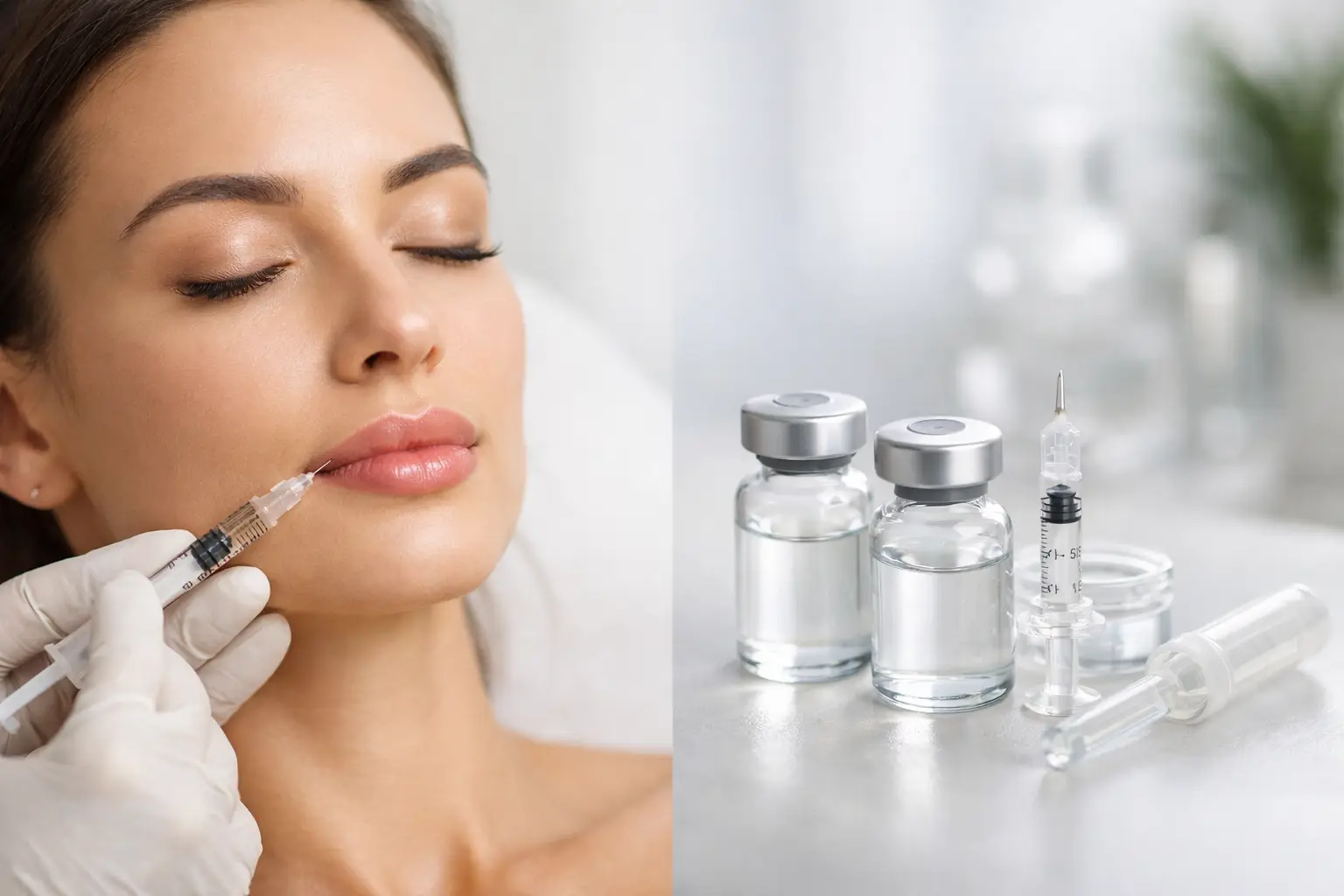
A good treatment plan rarely starts with a syringe. It starts with a clear look at what is actually bothering you – whether that is lip shape, lost definition, crepey skin, tired eyes or a general sense that your skin no longer looks as fresh as it feels. When people search for aesthetics Epping-lip fillers and polynucleotides Essex, they are often comparing two very different treatment approaches without realising it.
Lip fillers and polynucleotides can both play a valuable role in facial rejuvenation, but they do different jobs. One adds structure and volume. The other supports skin quality and repair. Choosing well depends less on trends and more on your anatomy, your concerns and the kind of result you want to see in the mirror.
Aesthetics Epping lip fillers and polynucleotides Essex – what is the difference?
Lip fillers are designed to shape, define and restore volume. In most cases, they use hyaluronic acid, a substance that attracts water and can be placed with precision to improve border definition, balance asymmetry or create a softer, fuller lip. The best results do not look inflated or obvious. They look proportionate to the face and move naturally.
Polynucleotides are different. Rather than filling an area, they work as a regenerative treatment that supports tissue repair, hydration and skin quality. They are often used where the skin looks thin, creased, dull or tired, particularly around the eyes, cheeks, forehead, neck or lower face. They are not a substitute for filler when volume loss is the main issue, but they can improve the condition of the skin in a way that filler alone cannot.
This matters because many clients come in asking for volume when what they really need is better skin support. Others assume a skin treatment will create fullness in an area that actually needs structural correction. A careful consultation helps separate the two.
When lip fillers are the better choice
Lip filler is usually the more suitable option if your concern is shape, volume or definition. Some clients have naturally thin lips and want a modest enhancement. Others have noticed that the lip border has softened with age, lipstick has started to bleed into fine lines, or the top and bottom lips no longer feel balanced.
In these cases, filler can be used conservatively to restore proportion. Small amounts often make the biggest difference. A subtle treatment may improve the cupid’s bow, support the corners of the mouth or replace volume that has gradually reduced over time. For mature clients especially, the goal is rarely to create a noticeably larger lip. It is to bring back softness and structure without making the lips look disconnected from the rest of the face.
There are trade-offs. Lip filler can cause swelling and bruising in the short term, and the final result is not judged properly on the day of treatment. It also requires restraint. Too much product, poor placement or repeated topping up without proper review can lead to an unnatural appearance. That is why a measured approach matters.
When polynucleotides are the better choice
Polynucleotides are often chosen by clients who want their skin to look healthier rather than fuller. If the area under the eyes seems crepey, the skin on the cheeks feels less elastic, or the face has begun to look tired even when you are well rested, regenerative treatments may be the better route.
This is particularly relevant for people who do not want obvious changes. Polynucleotides work gradually. They support collagen and tissue quality, improve hydration and help the skin look stronger and more refined over time. That slower improvement appeals to clients who want natural results and prefer treatments that are less about changing facial shape and more about improving what is already there.
They also suit areas where traditional filler is not always the first answer. Under-eye concerns are a good example. Some people assume tear trough filler is the only fix for tired eyes, but not every under-eye issue is caused by volume loss. Thin skin, fine creasing and poor tissue quality can respond better to regenerative treatment. It depends on the reason the area looks tired in the first place.
Can lip fillers and polynucleotides be combined?
Yes, and in many cases they should be considered together rather than as competing treatments. A face does not age in one way only. You may have lip volume loss and also notice that your skin texture has changed. You may want better lip definition but also feel that the under-eye area or lower face looks more fatigued than before.
Combining treatments can create a more balanced result, but timing and planning are important. Lip filler gives a visible structural change relatively quickly. Polynucleotides develop more gradually through a course of treatment. When these are used as part of a wider plan, the aim is harmony rather than layering procedures for the sake of it.
This is often where a consultation-led approach makes the biggest difference. The right plan is not built around what is popular. It is built around what your face needs, what level of change you are comfortable with and how much downtime you can realistically manage.
What natural-looking results actually mean
Natural results are often talked about, but not always defined. In practice, natural-looking aesthetic work means that the treatment supports your features without dominating them. Lips should suit the rest of the face in both profile and expression. Skin should look fresher and healthier, not shiny, swollen or overtreated.
That usually means saying no to more product than necessary. It may also mean recommending a different treatment from the one you first enquired about. Honest advice is part of safe aesthetics. If filler will not solve a skin quality issue, that should be explained clearly. If polynucleotides will improve the skin but not create volume, that should be clear too.
For many clients, the most successful result is when friends notice they look well, not when they notice exactly what has been done.
Aesthetics Epping lip fillers – what to expect from treatment
A proper appointment should begin with a full assessment of medical history, anatomy, previous treatment and desired outcome. This is especially important with lip work, because what looks suitable on one face may look too much on another. Existing lip shape, natural asymmetry, skin quality around the mouth and overall facial balance all need to be considered.
Treatment itself is relatively quick, although precision matters more than speed. You may have some swelling afterwards, and bruising is possible. Most clients can return to normal routine fairly quickly, but social plans immediately after treatment are not always ideal if you prefer discretion.
Aftercare is straightforward but important. The area should be kept clean, excessive heat and pressure should be avoided initially, and any unusual symptoms should be reviewed promptly. A reputable practitioner will also explain what is normal during healing and when to get in touch.
What to expect from polynucleotides
Polynucleotide treatment is also consultation led, but expectations need to be framed differently. This is not typically a one-off treatment for instant transformation. Most clients benefit from a course, with improvement building over time as the skin responds.
There may be temporary marks, mild swelling or small visible injection points immediately afterwards, depending on the treatment area. These usually settle. The key point is that regenerative treatments reward patience. They are designed to support better skin function and quality, not to create an overnight change.
For busy clients in Essex and London, that slower, more discreet improvement is often part of the appeal. It can fit naturally into a broader skin and aesthetics plan without the look of having had something dramatic done.
Choosing the right practitioner matters as much as the treatment
Whether you are considering filler, polynucleotides or both, technique and judgement matter. Safe treatment is not just about using a quality product. It is about understanding anatomy, selecting the right treatment for the concern, managing risk properly and knowing when not to treat.
That is particularly important with mobile aesthetics. Convenience should never come at the expense of standards. The benefit of home-based care is privacy, comfort and flexibility, but the clinical side still needs to be handled with the same care you would expect in any professional setting. London Essex Aesthetics is built around that principle – tailored treatment, clear advice and natural results delivered with proper attention to safety and aftercare.
If you are weighing up lip fillers against polynucleotides, the best next step is not guessing which treatment sounds better. It is having your concerns assessed properly, so the plan matches your face, your goals and the result you actually want to live with.