
Skin that looks tired often does not need more make-up or a harsher routine. More often, it needs hydration in the right place. When people search for aesthetics clinic Rayleigh-the benefits of skin boosters, they are usually trying to work out whether this treatment is genuinely useful or simply another aesthetic trend. In practice, skin boosters can be an effective option for improving skin quality in a subtle, natural-looking way.
Unlike treatments that change facial shape or add obvious volume, skin boosters are designed to improve the condition of the skin itself. They work by delivering hydrating ingredients, usually hyaluronic acid, into the skin to support moisture levels, elasticity and overall texture. The goal is not to make you look different. It is to help your skin look fresher, smoother and healthier.
Aesthetics clinic Rayleigh – the benefits of skin boosters
The main reason clients choose skin boosters is simple. They want better skin without looking as though they have had obvious work done. This treatment suits people who feel their skin has become dull, dehydrated, crepey or less resilient, but who are not necessarily looking for added volume from filler.
One of the biggest benefits is hydration. Topical skincare can help the surface, but skin boosters are placed within the skin where hydration support is often needed most. That can make a noticeable difference to how the skin feels and how it reflects light. Many clients describe their skin as looking more rested rather than dramatically altered.
Texture is another key benefit. Fine lines caused by dryness can soften, and the skin may feel smoother over time. This can be particularly helpful around the cheeks, lower face and under-eye area, depending on the product used and whether you are suitable for treatment. On the neck, chest and hands, skin boosters can also improve that thin, creased look that often becomes more noticeable with age.
There is also the benefit of skin quality rather than shape. Some treatments are best when volume loss is the main issue. Skin boosters are different. They are more appropriate when the concern is dullness, dehydration or a lack of bounce. For many people, that makes them a useful first step, either on their own or as part of a broader treatment plan.
What skin boosters actually do
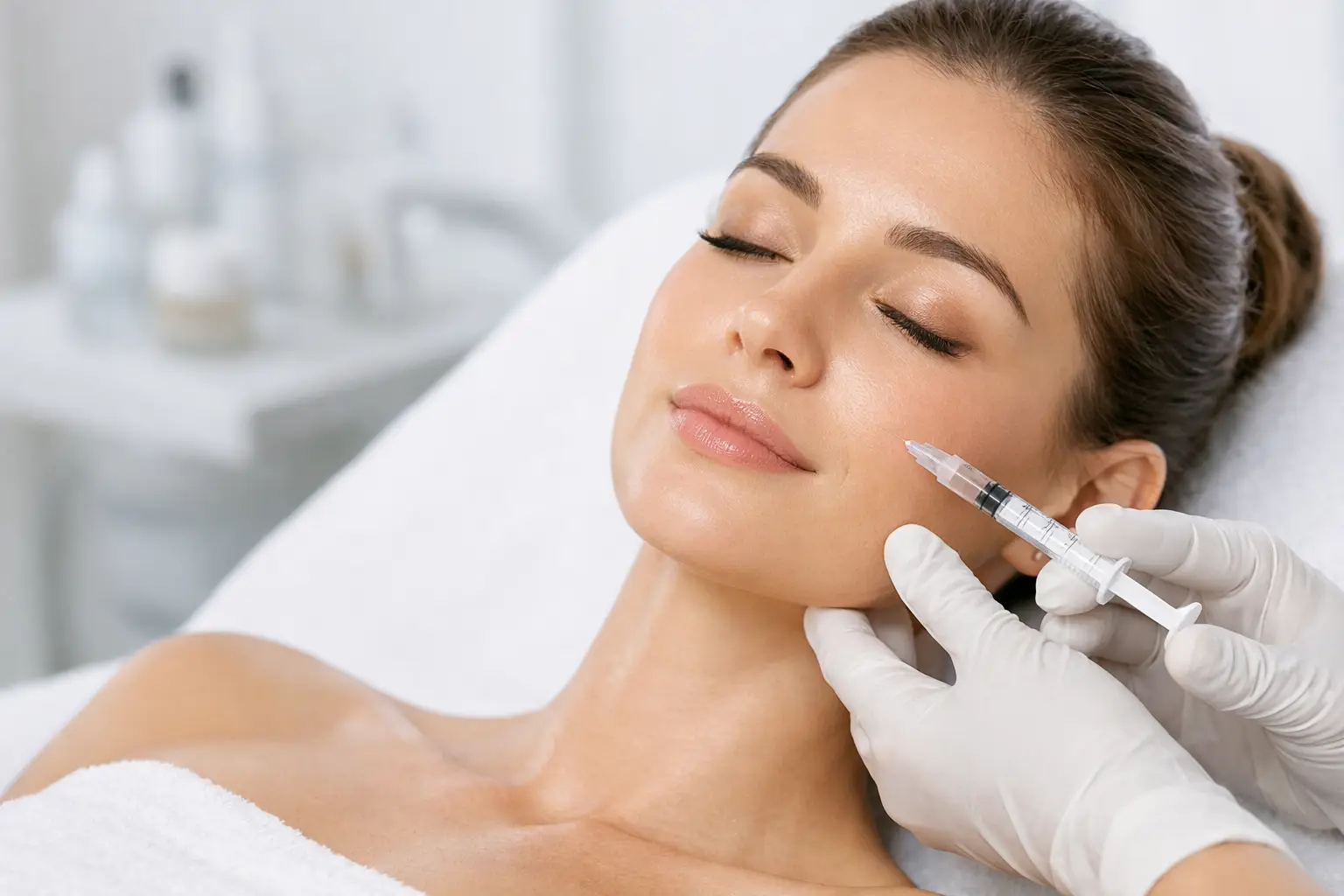
Skin boosters are commonly made with hyaluronic acid, a substance naturally found in the body. Hyaluronic acid attracts water, which is one reason it is widely used in skincare. The difference here is delivery. Instead of sitting on the surface in a cream or serum, the product is administered into the skin using a series of very small injections.
That method allows for a more direct approach to improving hydration and skin quality. Depending on the product, skin boosters may also support collagen stimulation and improve skin elasticity over time. Results tend to build gradually, which suits clients who prefer a refreshed appearance rather than a sudden change.
This is also why expectations matter. Skin boosters are not a substitute for lifting sagging skin, replacing significant volume loss or treating every line. They can do a great deal for skin quality, but they are not the right answer to every concern. A careful consultation should always come first.
Areas that respond well to treatment
The face is the most common treatment area, especially the cheeks and lower face where dehydration and textural changes can become more visible. The under-eye area can sometimes be treated with suitable products and appropriate technique, although this depends on anatomy and skin condition.
Skin boosters can also work well on the neck, décolletage and hands. These areas often show age and sun exposure early, yet they are regularly overlooked. For clients who want a more even, refreshed look overall, treating beyond the face can make a real difference.
Who is a good candidate?
A good candidate is usually someone with skin that feels dry, looks dull or has started to lose its smoothness and elasticity. Skin boosters can be suitable for younger clients who want preventative support and for older clients who want to improve skin quality without pursuing more structural treatment.
They can also be a sensible option for people who are new to injectables. Because the effect is generally subtle and focused on skin condition, many clients find the treatment less daunting than filler or anti-wrinkle treatment. It fits well with a natural treatment philosophy.
That said, suitability is never one-size-fits-all. If a client has active skin infection, certain medical conditions, is pregnant or breastfeeding, or has concerns that would be better addressed with another treatment, a responsible practitioner should say so clearly. Honest advice matters more than trying to fit everyone into the same appointment.
What to expect from treatment
A proper consultation should assess your skin concerns, medical history, treatment goals and whether skin boosters are likely to give you meaningful benefit. In some cases, the answer may be yes but not yet. For example, if the skin barrier is inflamed or the concern is more related to pigmentation, laxity or volume loss, another approach may be better initially.
The treatment itself is usually straightforward. After the skin is cleansed, the product is placed using multiple tiny injections or, in some cases, a cannula technique depending on the area and treatment plan. Some skin boosters contain lidocaine for comfort. The appointment is generally well tolerated, although you should expect some temporary redness, small bumps, mild swelling or occasional bruising afterwards.
Most clients need a course rather than a single session. While protocols vary by product and individual need, an initial series of treatments followed by maintenance tends to produce the best results. This is another point worth being clear about from the outset. Skin boosters are not usually a one-off quick fix.
When results appear
Some improvement in hydration can be noticed relatively early, but the best results are usually seen over several weeks as the skin responds and moisture balance improves. The effect is often cumulative. After a course of treatment, the skin may appear brighter, smoother and more supple.
How long results last depends on the product used, the treatment area, your skin condition and factors such as sun exposure, smoking and general skincare. Maintenance sessions help preserve the result, but timing should always be guided by your skin rather than a rigid schedule.
The benefits of skin boosters compared with other treatments
One reason skin boosters continue to appeal to a wide range of clients is that they sit in a useful middle ground. They are more intensive than topical skincare, yet they do not create the shape change associated with dermal filler. For someone who wants skin rejuvenation without adding volume, that can be exactly the right balance.
Compared with microneedling or chemical peels, skin boosters focus more directly on hydration and skin elasticity. That does not mean they are better in every case. If congestion, acne scarring or pigment irregularity is the main concern, another treatment may be more suitable or may work well in combination. The right plan depends on the skin in front of you.
Compared with filler, the outcome is softer and less structural. If the concern is hollowing, deeper folds or facial contour, filler may be the more appropriate option. If the skin itself looks creased, dull or thin, skin boosters may offer more value. Many clients benefit from a personalised combination rather than choosing one treatment category in isolation.
Why consultation and technique matter
The quality of the result depends on more than the product. Assessment, injection technique, product choice and aftercare all matter. A medically informed practitioner should look at the skin as part of the whole face, not as a stand-alone issue. That is how natural results are achieved.
This is especially important when treatment is delivered outside a traditional clinic setting. Convenience should never mean lower standards. Whether an appointment takes place at home or in another private setting, hygiene protocols, consent, emergency preparedness and clear aftercare should remain consistent. For clients in Essex and London who value discretion, that balance of convenience and clinical care is often a major part of the appeal.
Aftercare and realistic expectations
After treatment, it is sensible to avoid excessive heat, intense exercise, alcohol and unnecessary touching of the area for the period advised by your practitioner. Most downtime is minimal, but if you are prone to bruising or have an event planned, timing still matters.
It also helps to be realistic. Skin boosters can improve hydration, texture and radiance, but they will not replace good skincare, sun protection or general skin health habits. The best results tend to come when treatment is part of a considered approach rather than an attempt to fix everything in one session.
For the right client, skin boosters are not about chasing perfection. They are about restoring quality where the skin has become depleted, and doing so in a way that still looks like you. That is often the most valuable result of all.