
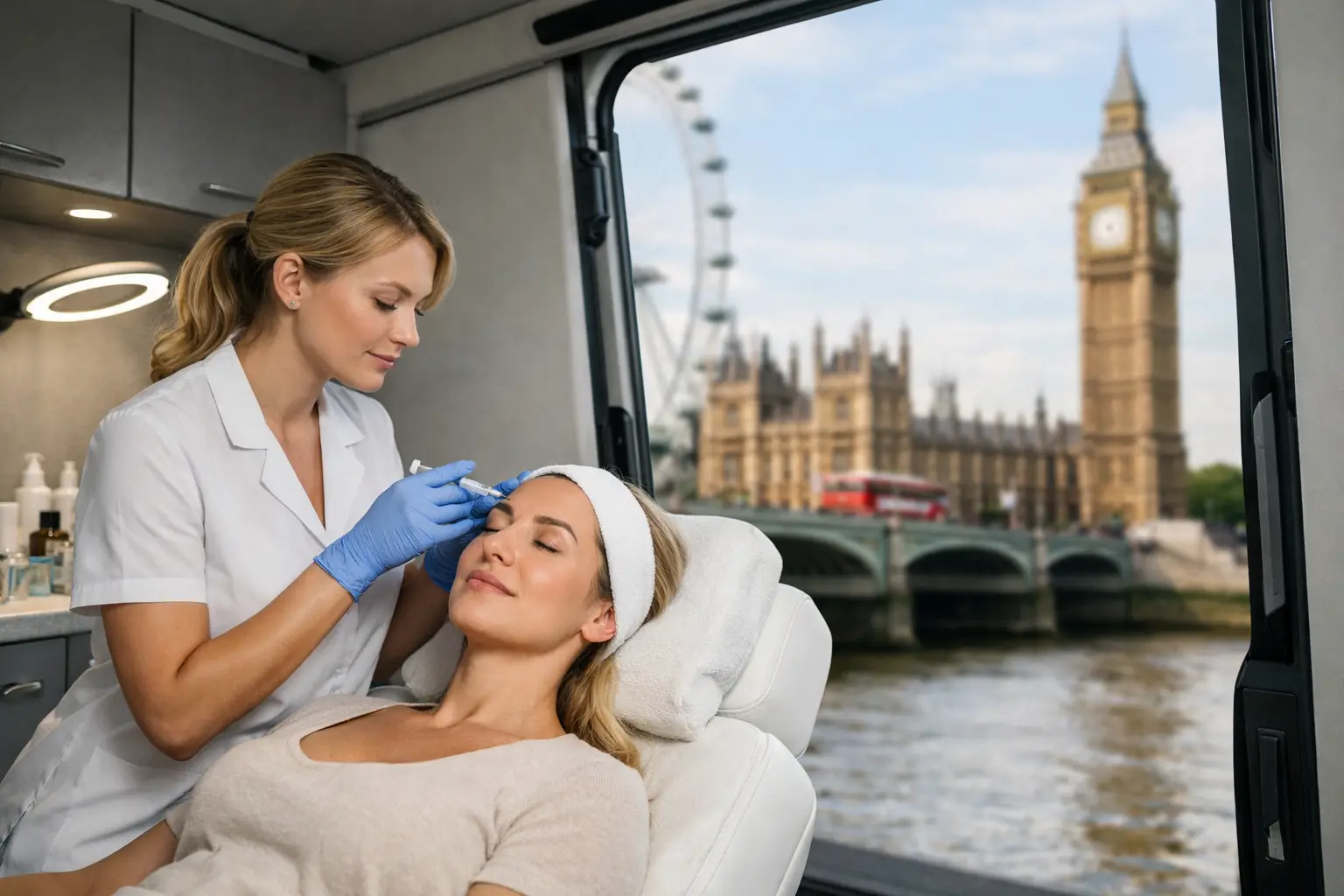
A mobile appointment can be the most convenient way to have treatment, but convenience should never be the main reason you book. When people search for mobile botox clinics london-what to look out for, they are usually asking a more important question underneath it – how do I know this is being done properly, safely and with my best interests in mind?
That is the right question to ask. Anti-wrinkle treatment is a medical procedure, even when it is carried out in the comfort of your own home. The setting may feel relaxed and familiar, but the standards should remain clinical, professional and consistent from consultation through to aftercare.
Mobile Botox clinics London – what to look out for first
The first thing to assess is not the treatment menu or the price. It is the practitioner. You should know who is treating you, what their clinical background is, and whether they are appropriately trained and insured to carry out injectable treatments. A reputable mobile practitioner will be clear about their qualifications, scope of practice and the treatments they personally perform.
For anti-wrinkle injections, prescribing also matters. Botulinum toxin is a prescription-only medicine in the UK. That means a proper prescribing process must take place before treatment can go ahead. If someone is willing to book you in for Botox with no medical assessment, no discussion of your history and no prescriber involvement where required, that is a clear reason to pause.
It is also worth paying attention to how the clinic communicates before you ever book. Professional services tend to be organised, measured and transparent. You should not feel rushed, pressured or pushed towards treatment that has not been discussed properly.
A proper consultation should never feel like a formality
The best mobile appointments still begin with a thorough consultation. This should cover your medical history, medications, allergies, previous treatment, pregnancy or breastfeeding status where relevant, and your treatment goals. It should also include a facial assessment rather than simply asking which areas you want injected.
This matters because a good outcome is not just about softening lines. It is about preserving balance, movement and a natural expression. In some cases, the safest or most suitable plan may be to treat fewer areas, use a lower dose, or delay treatment altogether. Honest advice is usually a sign that the practitioner is thinking clinically rather than commercially.
If your concerns are more to do with skin quality, heaviness, volume loss or lower face changes, anti-wrinkle treatment may only be part of the answer. A consultation-led practitioner should explain that clearly. Botox is useful, but it is not a universal fix for every sign of ageing.
Questions should be welcomed, not brushed aside
You should feel able to ask what product is being prescribed, why a certain approach is recommended, what result is realistic and what side effects to expect. If the answers are vague or overly casual, that is not reassuring. A professional practitioner should be able to explain treatment simply, without making it sound trivial.
Hygiene and set-up still matter in a home environment
One of the biggest misconceptions around mobile aesthetics is that a home setting automatically means lower standards. It should not. A well-run mobile clinic brings the right equipment, maintains a clean working set-up and follows the same infection control principles expected in a fixed premises.
That includes hand hygiene, use of appropriate protective equipment where needed, safe sharps disposal and a clean, organised treatment area. The practitioner should assess whether your space is suitable before beginning. Good light, a stable chair or couch position and enough room to work safely are basic requirements, not extras.
If the set-up feels improvised, cluttered or rushed, it is reasonable to stop and ask questions. The fact that treatment is taking place at home should never mean corners are cut.
Be cautious of treatment that feels too easy to access
Convenience is valuable, especially for busy professionals, parents and anyone who prefers discretion. But there is a difference between accessible care and care that is too casual. Anti-wrinkle treatment should not be sold in the same way as a beauty appointment.
If someone offers to treat you immediately over messages, gives a fixed price without asking anything about your health or goals, or promotes Botox parties and group discounts, that should raise concern. These approaches can make a medical treatment feel social or impulsive when it should be considered and individual.
A private mobile service should still feel structured. You should know what happens before, during and after your appointment. That includes consent, photography where appropriate, dosage planning, aftercare instructions and a review process if needed.
Look closely at the approach to natural results
Most clients do not want to look dramatically different. They want to look fresher, less tired and more rested without losing their facial character. That is why the practitioner’s philosophy matters.
If every result you see looks frozen, overly arched or identical from one face to the next, that tells you something about the treatment style. A more refined approach takes account of muscle strength, facial asymmetry, age, skin condition and individual preference. It also recognises that not every line should disappear completely.
This is particularly important in mobile practice, where clients often choose treatment for privacy and convenience but still expect a premium, personalised experience. A good practitioner should be able to explain how they tailor treatment rather than applying the same pattern to everyone.
More treatment is not always better
There can be a temptation to assume that stronger treatment means a better result. In reality, over-treatment can create heaviness, unnatural movement and a less balanced appearance. Sometimes a conservative first treatment is the better option, especially if you are new to Botox or have not been treated for some time.
Practitioners who are confident in their work are usually comfortable being measured. They do not need to overpromise.
Mobile botox clinics in London – what to look out for after treatment
Aftercare is one of the clearest signs of whether a clinic is operating responsibly. You should leave the appointment knowing what to expect over the next few days, what is normal, what is not, and how to get in touch if you have concerns.
Anti-wrinkle treatment does not produce instant results, so managing expectations is part of good care. You should be told when the treatment is likely to begin taking effect, when final results are usually seen and whether a review appointment is offered or recommended. If there is no mention of follow-up at all, that is not ideal.
Good aftercare also means the practitioner is available if needed. Mobile care should not end the moment the practitioner leaves your home. Reassurance, clear communication and ongoing support are part of the service.
Price should not be the deciding factor
Cost matters, but very low pricing can be a warning sign. When a treatment is significantly cheaper than expected, ask why. The answer may relate to experience, time allowed, consultation quality or the level of aftercare provided.
That does not mean the most expensive option is automatically the best either. What matters is value – clinical knowledge, a personalised plan, responsible prescribing, proper hygiene, clear consent and a practitioner who puts safety before sales. Those elements are far more relevant than a headline discount.
In areas such as London and Essex, many clients choose mobile treatment because it saves travel time and offers privacy. That can be an excellent option when the service is structured properly. It should feel every bit as professional as visiting a clinic, with the added benefit of being in your own environment.
Trust your instincts as well as the credentials
Credentials matter, but so does the overall experience. Were your questions answered clearly? Did the practitioner listen? Did they assess your face and medical history properly? Did you feel any pressure to proceed? These details often tell you whether a service is genuinely patient-centred.
A good mobile practitioner understands that trust is earned. They know clients are inviting them into their home and placing confidence in their judgement. That should be reflected in every stage of the process, from the first enquiry to the final follow-up.
If you are considering anti-wrinkle treatment at home, take your time choosing who you book with. The right mobile clinic will not simply make treatment more convenient – it will make the whole experience feel safe, thoughtful and appropriately tailored to you.